LiFePO4 battery safety comes down to two things working together: the chemistry itself and the electronics protecting it. LiFePO4, short for lithium iron phosphate, is one of the most thermally stable lithium chemistries available, but thermal runaway can still happen if a cell is overcharged, overheated, punctured, or paired with weak protection circuitry. The real safeguard is not the cell chemistry by itself. It is a properly engineered Protection Circuit Module (PCM) working alongside that chemistry to catch problems before they turn dangerous. For anyone switching from lead-acid for the first time, whether on a boat, in an RV, at a ham radio field station, or in a solar off-grid setup, understanding both halves of that equation is the fastest way to buy with confidence.
What Thermal Runaway Actually Is
Thermal runaway is the term for a battery cell generating heat faster than it can release it, until the reaction feeds itself. It is a real phenomenon, but it is also one of the most misunderstood terms in the battery world.
The Chain Reaction Behind Thermal Runaway
Inside a lithium cell, thermal runaway typically starts with a fault, such as an internal short, extreme overcharge, or physical damage, that generates heat faster than the cell can dissipate it. That heat begins breaking down the electrolyte and internal materials, which releases more heat and gas. If the reaction is not interrupted, pressure and temperature keep climbing until the cell vents, and in a worst-case scenario, ignites.
Why Lithium Batteries Get a Bad Reputation
Most of the widely publicized lithium battery fires involve lithium cobalt oxide (LCO) or nickel manganese cobalt (NMC) cells, the chemistries commonly found in laptops, e-bikes, and some consumer electronics. LiFePO4 is a different chemistry with a different risk profile, but headlines rarely make that distinction, which leaves a lot of first-time buyers more worried than the actual chemistry warrants.

What Actually Causes Thermal Runaway in Lithium Batteries
Whatever the chemistry, thermal runaway is almost never spontaneous. It is triggered by one or more identifiable conditions:
- Overcharging a cell beyond its safe voltage limit
- Over-discharging a cell below its safe cutoff voltage
- Physical damage such as punctures, crushing, or a hard impact
- An internal short circuit from a manufacturing defect or a damaged separator
- Extended exposure to high external heat, such as a closed vehicle in direct sun
- Charging with an incompatible, damaged, or poorly regulated charger
Overcharging and Over-Discharging
Pushing a cell above its maximum voltage, or draining it below its minimum, stresses the internal chemistry in ways that generate excess heat and can permanently damage the cell. This is one of the most common triggers, and it is also the one a properly designed PCM is built specifically to prevent.
Physical Damage and Internal Short Circuits
Marine and RV use in particular comes with vibration, bumps, and the occasional dropped tool or gear bag. A ham radio operator setting up a portable station in the field, or a hiker strapping a battery to a pack for a multi-day trip, faces the same risk from drops and rough handling. A puncture or crushed cell can create an internal short circuit, which generates concentrated, fast-rising heat in one spot. Quality construction and a rigid enclosure reduce this risk considerably, but careful mounting and handling still matter.
Heat Exposure and Poor Charging Practices
Charging any lithium battery with a charger designed for a different chemistry, or one with worn-out or mismatched voltage settings, removes a layer of protection the cell was designed around. Bioenno's own comparison of how cheap lithium batteries stack up against LiFePO4 on quality and safety found that inconsistent cell quality and mismatched PCM specifications, not the LiFePO4 chemistry itself, are usually behind the failures buyers hear about.
Why LiFePO4 Chemistry Is Inherently More Stable
How LiFePO4 Differs From NMC and LCO Cells
According to Battery University's breakdown of lithium-ion chemistry types, LiFePO4 has a thermal runaway onset around 270°C (518°F), noticeably higher than cobalt-based chemistries such as NMC (about 210°C) and LCO (about 150°C), which is why it is described as one of the safest lithium-ion chemistries even at full charge.
| Lithium Chemistry | Approx. Thermal Runaway Onset |
|---|---|
| LiFePO4 (LFP) | ~270°C (518°F) |
| NMC | ~210°C (410°F) |
| LCO | ~150°C (302°F) |
Real-World Thermal Stability Advantages
Beyond the raw chemistry, Battery University's breakdown of lithium-ion chemistry types also documents that LiFePO4 cells hold a flatter discharge voltage curve and a wider usable temperature range than lead-acid or many other lithium chemistries, which matters for anyone running electronics, trolling motors, or off-grid appliances in variable outdoor conditions. For a closer look at how Bioenno applies this chemistry in its own packs, see how LiFePO4 technology compares for stability. That stability is a real advantage, but it is not a substitute for the right charging equipment and a well-built protection circuit.

How a Protection Circuit Module Stops Thermal Runaway
A PCM is the layer of engineering that sits between the cells and everything else in the electrical system. It does not just monitor the battery. It actively intervenes before a small problem becomes a big one.
You will sometimes see this component called a battery management system (BMS) instead of a PCM, and the two terms are often used interchangeably. Functionally, they overlap: both sit between the cells and the rest of the circuit, and both exist to catch unsafe charging and discharging conditions before they escalate. The difference is mainly scope. A baseline PCM typically limits itself to voltage, current, and temperature protection, while a full BMS usually adds more active monitoring, such as detailed cell-by-cell balancing, state-of-charge reporting, or communication with other devices. Bioenno's protection circuitry blends both approaches, pairing core PCM-level safety functions with the cell balancing and temperature monitoring more commonly associated with a full BMS.
- Overcharge protection that stops current the moment a cell reaches its safe voltage ceiling
- Over-discharge protection that disconnects the load before cells drop below a safe minimum
- Short circuit and over-current protection that cuts power instantly when a fault is detected
- Cell balancing that keeps every cell in the pack charging and discharging evenly
- Temperature monitoring that pauses charging or discharging outside a safe operating range
Overcharge and Over-Discharge Protection
These two protections are the most basic and most important layer. They keep the battery inside the voltage window the chemistry was designed to operate in, which helps prevent one of the most common thermal runaway triggers before it becomes a serious problem.
Short Circuit and Over-Current Protection
If a wire is pinched, a terminal shorts, or a device draws far more current than expected, this protection is designed to disconnect the circuit quickly, cutting power before heat has a chance to build.
Cell Balancing and Temperature Monitoring
Every cell in a pack ages slightly differently. Without balancing, one weaker cell can be pushed harder than the others during charging, which raises risk and shortens the life of the whole battery. Temperature monitoring adds another layer by watching for conditions, hot or cold, where charging or discharging should pause. Bioenno designs its PCM to match each battery's cell configuration and discharge rating, rather than using a generic PCM chosen mainly to hit a price point, the same approach behind its LiFePO4 options built for portable ham radio and outdoor setups.
What to Look for When Buying a Safe LiFePO4 Battery
Questions to Ask Before You Buy
Before switching from lead-acid or buying a first LiFePO4 battery, a few questions can reveal a lot about what is actually inside the case:
- Does the listing specify the PCM continuous discharge rating, or just the amp-hour number?
- Is the exact lithium chemistry stated, or is it only labeled "lithium"?
- Is there a real, reachable support contact if something goes wrong?
- Does the manufacturer publish warranty terms, and are they easy to find?
Installation and Charging Best Practices
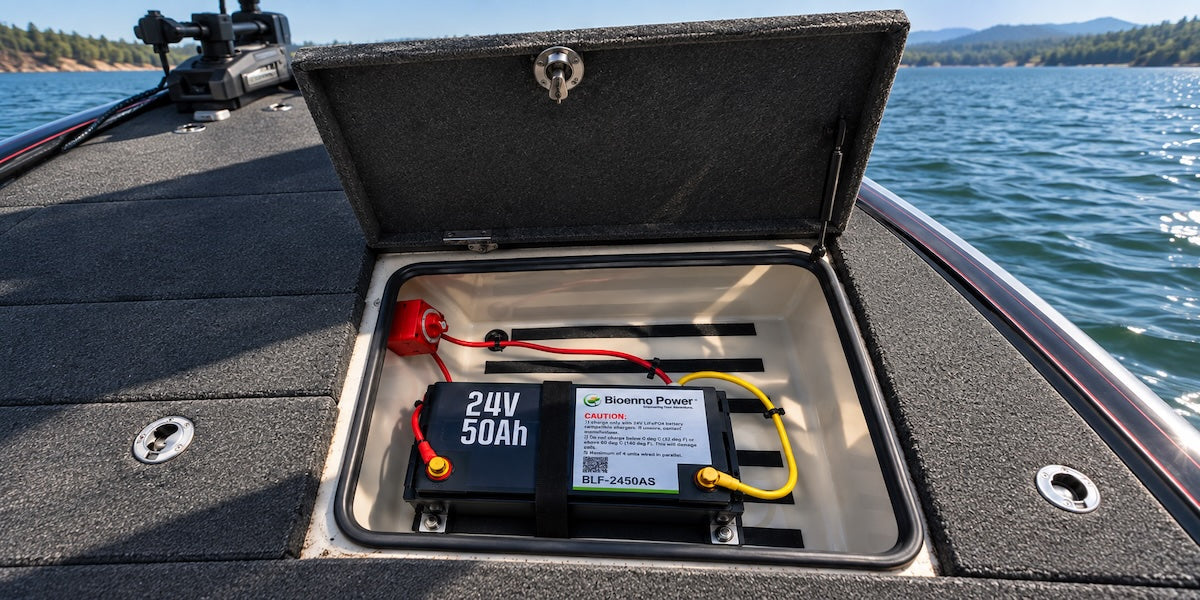
However safe the chemistry and BMS are on paper, installation habits still matter. Mount batteries securely so vibration and impact from marine or RV travel cannot loosen connections or crack a case. Use a charger designed for LiFePO4, not a lead-acid or generic lithium charger, especially in solar and outdoor power setups where a mismatched charge controller can push voltage outside a safe range. For RV and van life builds in particular, such as Bioenno's LiFePO4 options built for RV power systems, plan battery placement with ventilation and accessibility in mind so the system stays easy to inspect over time.
Choosing a LiFePO4 Battery You Can Trust
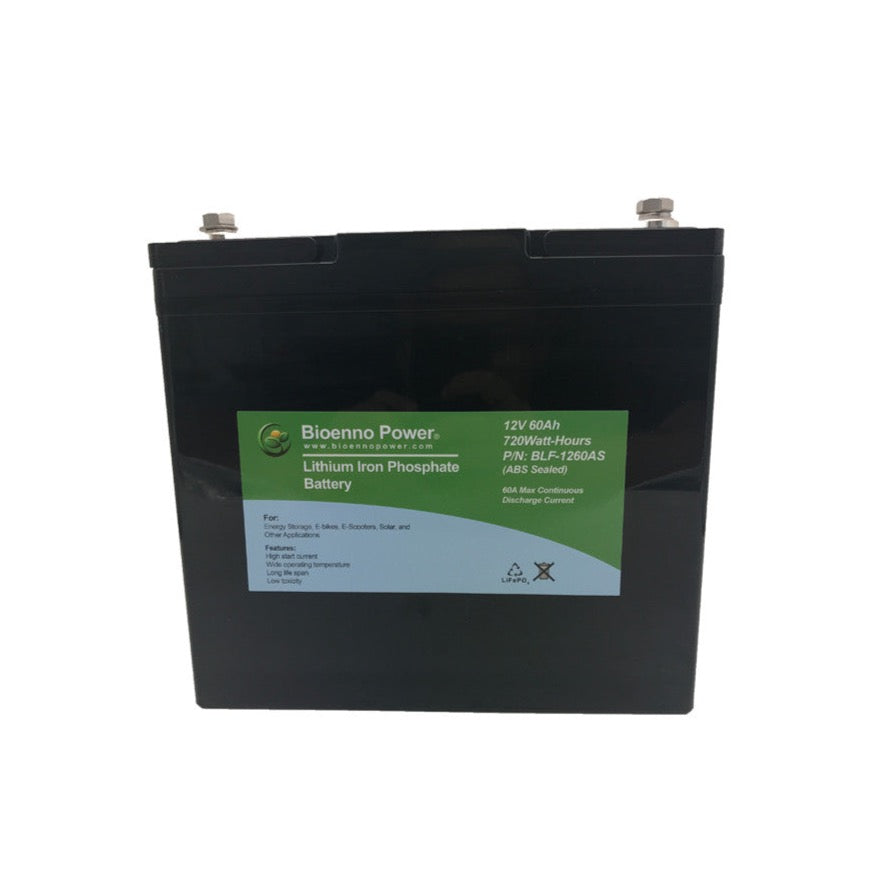
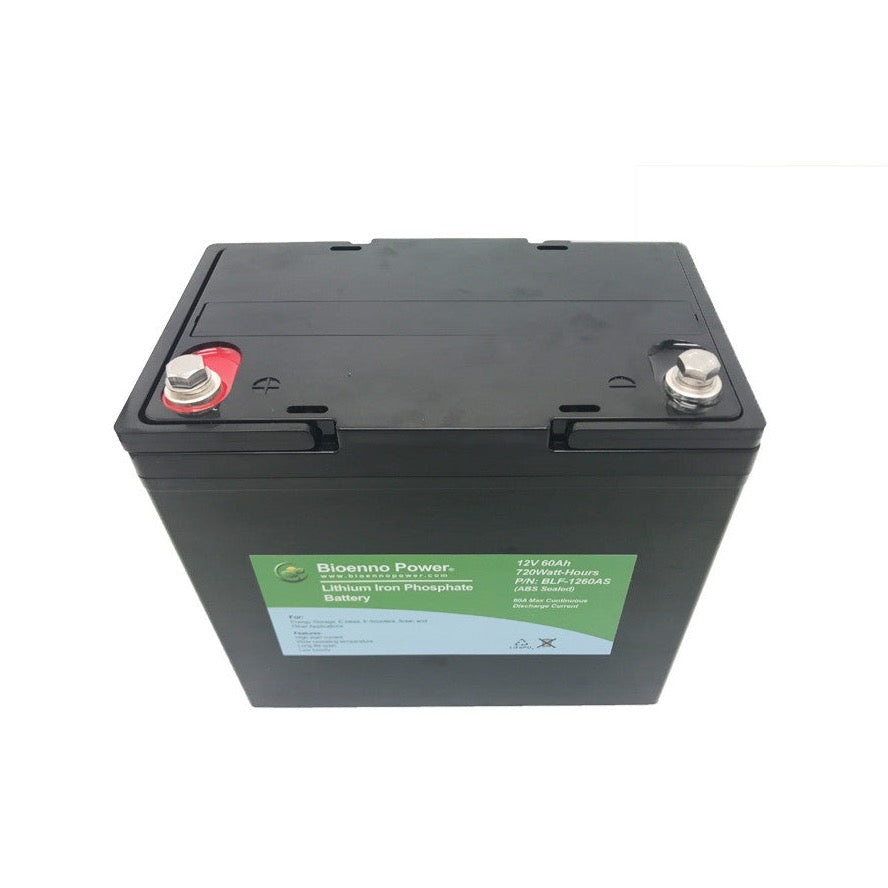
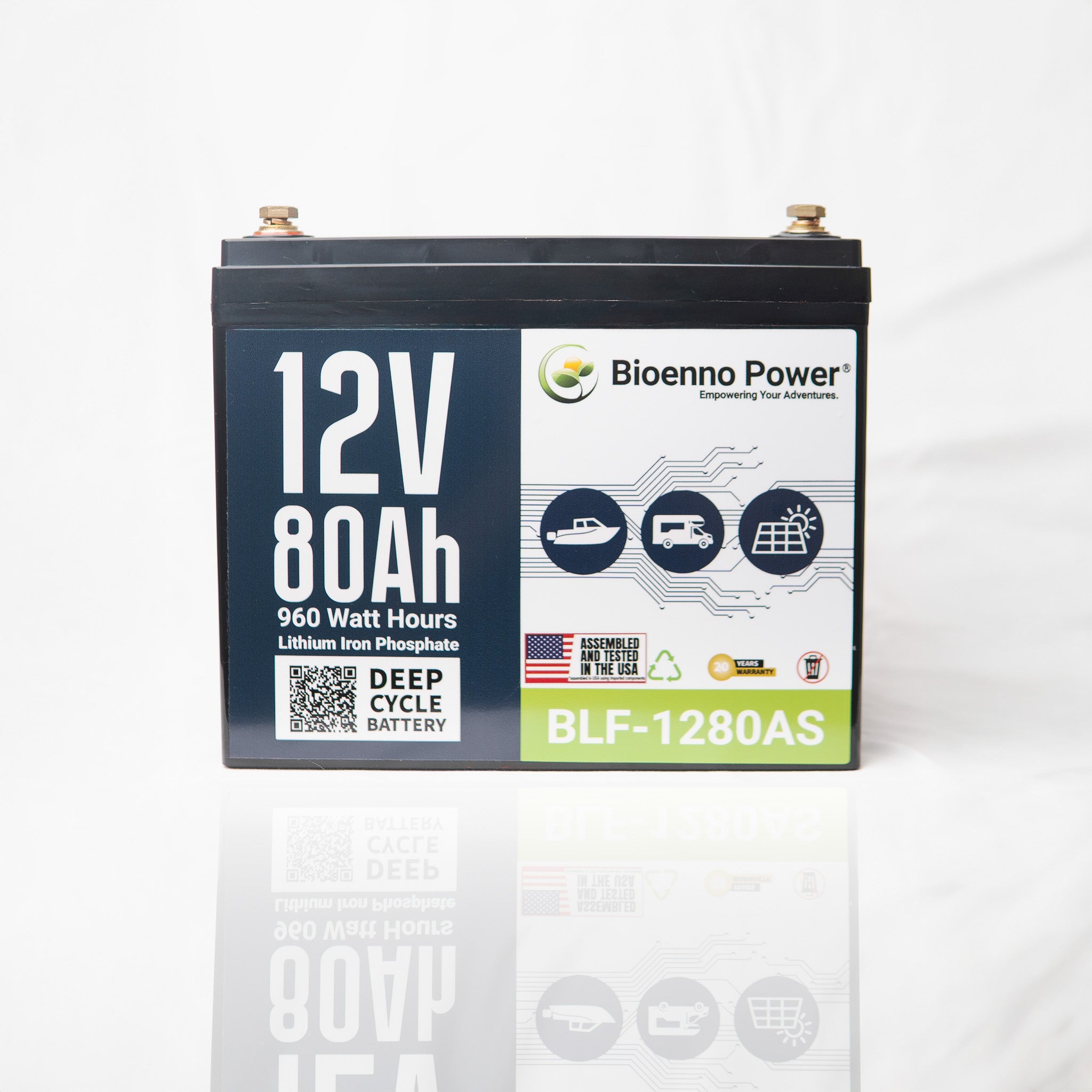
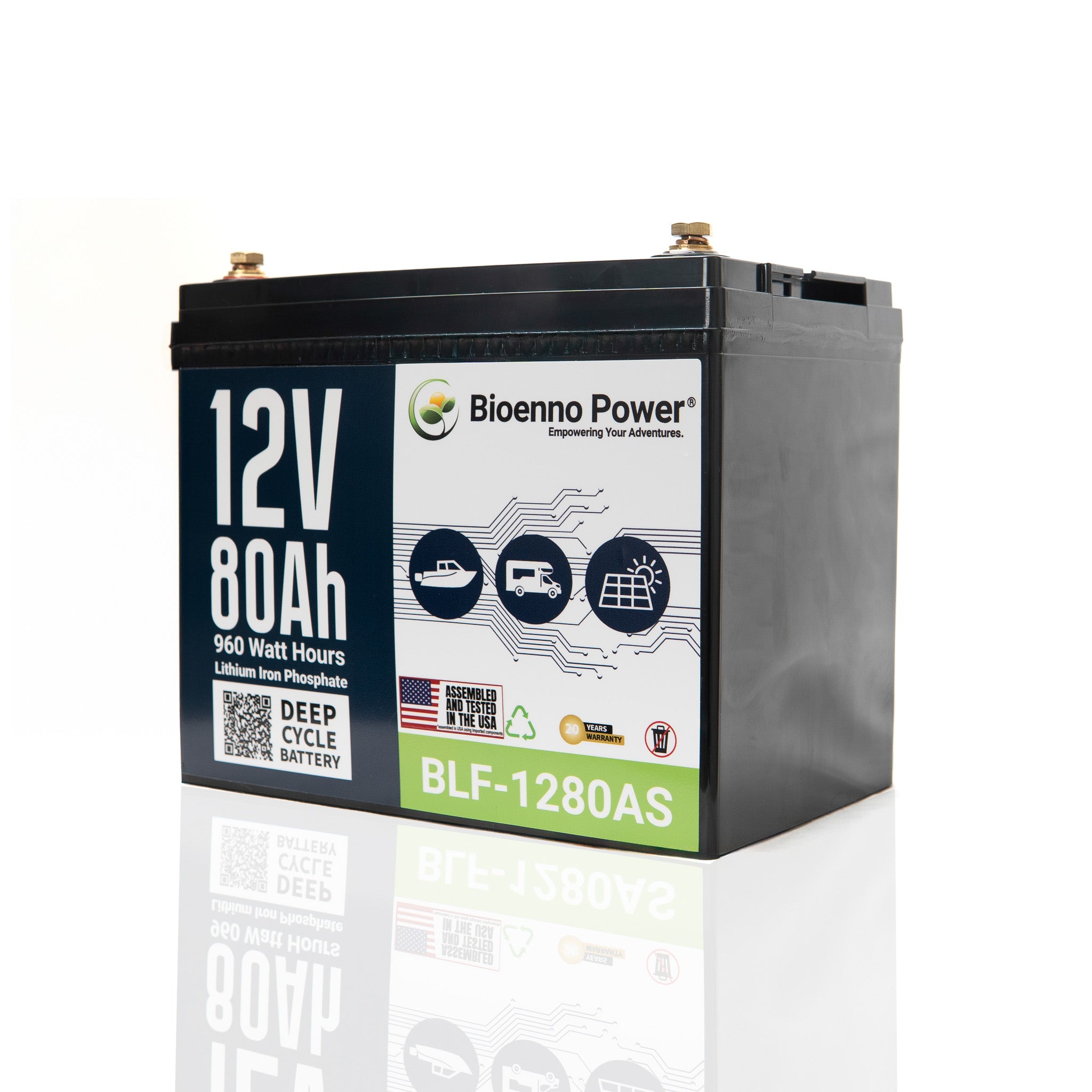
The chemistry matters, but it is only half the safety story. The other half is whether the manufacturer builds and tests a PCM that actually matches the cells inside the case. Bioenno Power batteries are assembled in Santa Ana, California, backed by a replacement warranty and real, USA-based technical support, with years of field use across marine, RV, ham radio, and off-grid solar applications.
If it is time to move up from lead-acid or replace an unreliable lithium pack, explore Bioenno Power's full LiFePO4 lineup, spanning roughly 9Ah to 100Ah, with built-in PCM protection. If you need help deciding which of our products suits your needs, contact us.