Overlanding trips often mean days between shore power, cell service, or a town with spare parts. Whether you are running a rooftop tent and fridge off a truck bed or living out of a converted van on backroads through the desert Southwest, the electrical system you build before leaving determines how comfortable, and how self-sufficient, the trip actually is.
This guide walks through how to size, build, and monitor an overlanding battery power system using a portable lithium battery for overlanding and a solar setup for overland trips, so you can run lights, refrigeration, communication gear, and charging ports for days at a time without hauling a generator. Done right, it delivers reliable off-grid power for overlanding without adding unnecessary weight to your rig. Bioenno Power's lineup of LiFePO4 batteries and solar accessories, built and supported in the USA, makes it possible to spec a system sized for anything from a weekend loop to a multi-week expedition.
What Makes Overlanding Power Different From Standard RV Setups
Overlanding shares a lot with traditional RV travel, but the power demands are not identical. A stationary RV at a campground can top off from shore power overnight. An overland rig moving through remote terrain for a week or more cannot count on that.
Longer Stretches Without Shore Power or Cell Service
Multi-day overland routes often run through areas with no cell coverage, no camp store, and no outlet. That means the battery bank has to cover every watt used for lighting, refrigeration, water pumps, and device charging until the vehicle reaches pavement again or the sun does the recharging.
Weight and Space Limits on Off-Road Rigs
Every extra pound on an overland build affects ground clearance, fuel economy, and how the rig handles on rough terrain. Lightweight batteries free up payload for recovery gear, water, and fuel instead of dead weight from a lead-acid bank.
Temperature and Terrain Extremes
Overlanding routes frequently swing from freezing mountain passes to triple-digit desert flats in the same trip. A battery system needs to hold up to that range without a significant drop in usable capacity or a safety risk from thermal stress.

Choosing the Right Portable Lithium Battery for Overlanding
Sizing a battery bank starts with understanding what you actually run each day, not just what fits the budget.
Typical daily loads for an overland rig include:
- A 12V fridge or freezer running continuously
- LED lighting inside and outside the vehicle
- A water pump for onboard tanks
- Phone, laptop, camera, and radio charging
- A vent fan or small heater for climate control
Estimating Daily Power Draw
Add up the amp-hours each device pulls over a 24-hour period, then build in a buffer for cloudy days or longer stops. Most overlanders running a fridge, lighting, and basic electronics land somewhere between 40 and 100 amp-hours of daily use. For example, a 40-quart 12V fridge drawing about 4 amps for 8 hours a day, plus interior lighting and phone charging, typically adds up to 35 to 45 amp-hours, comfortably inside that range.
Matching Battery Size to Your Rig
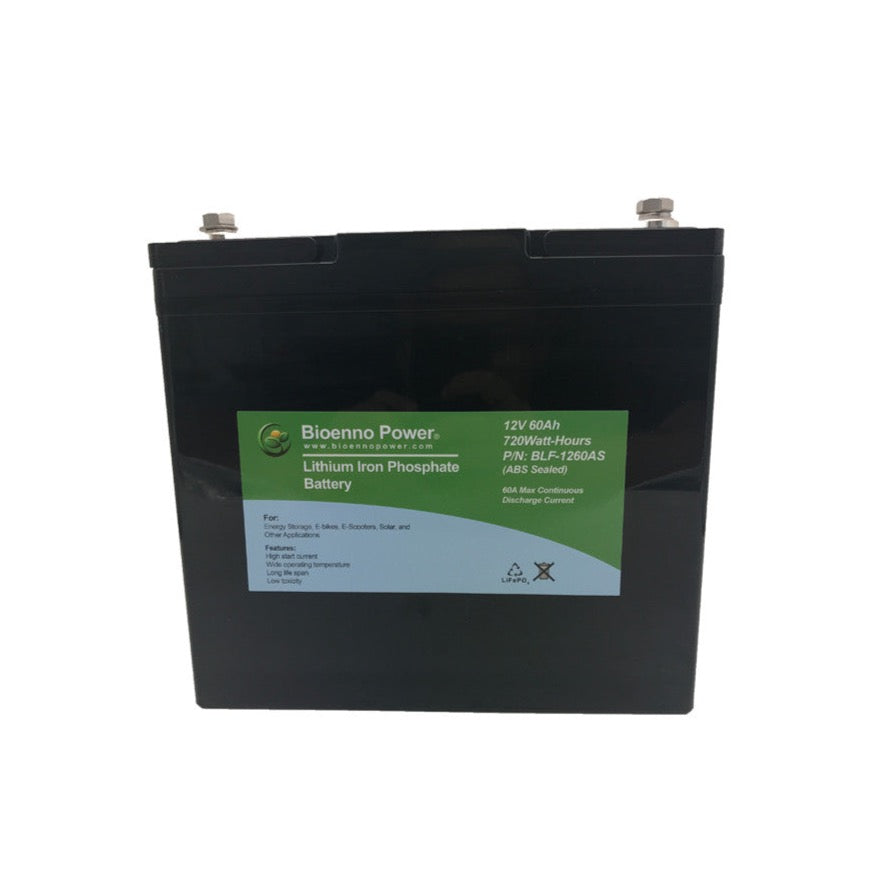
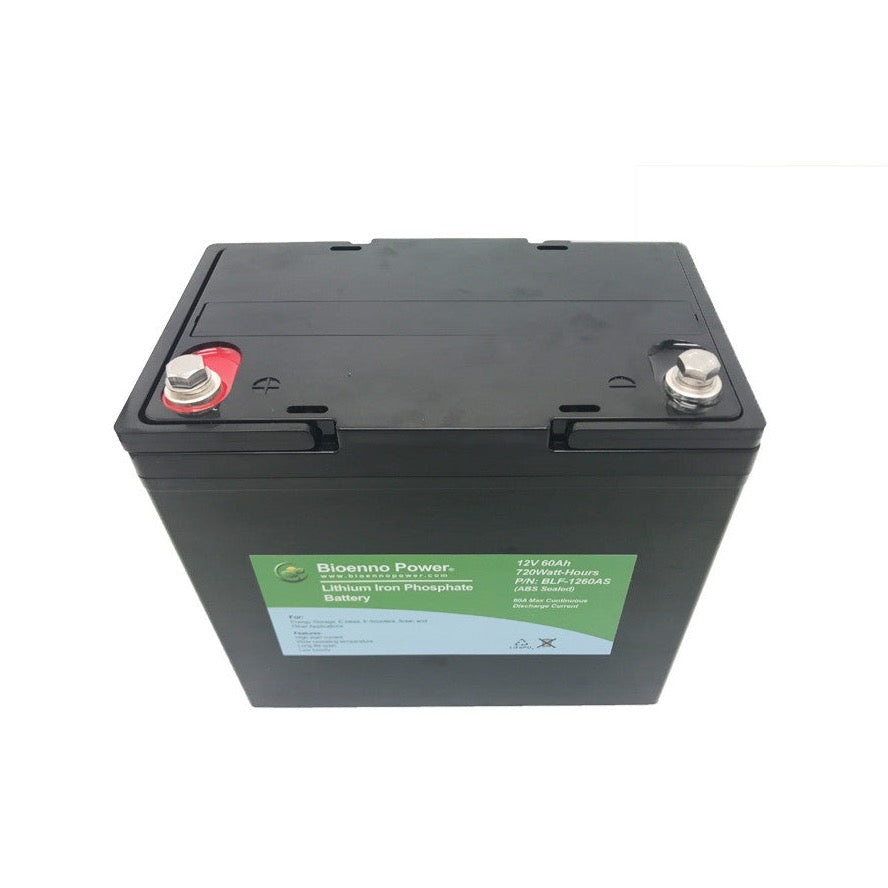
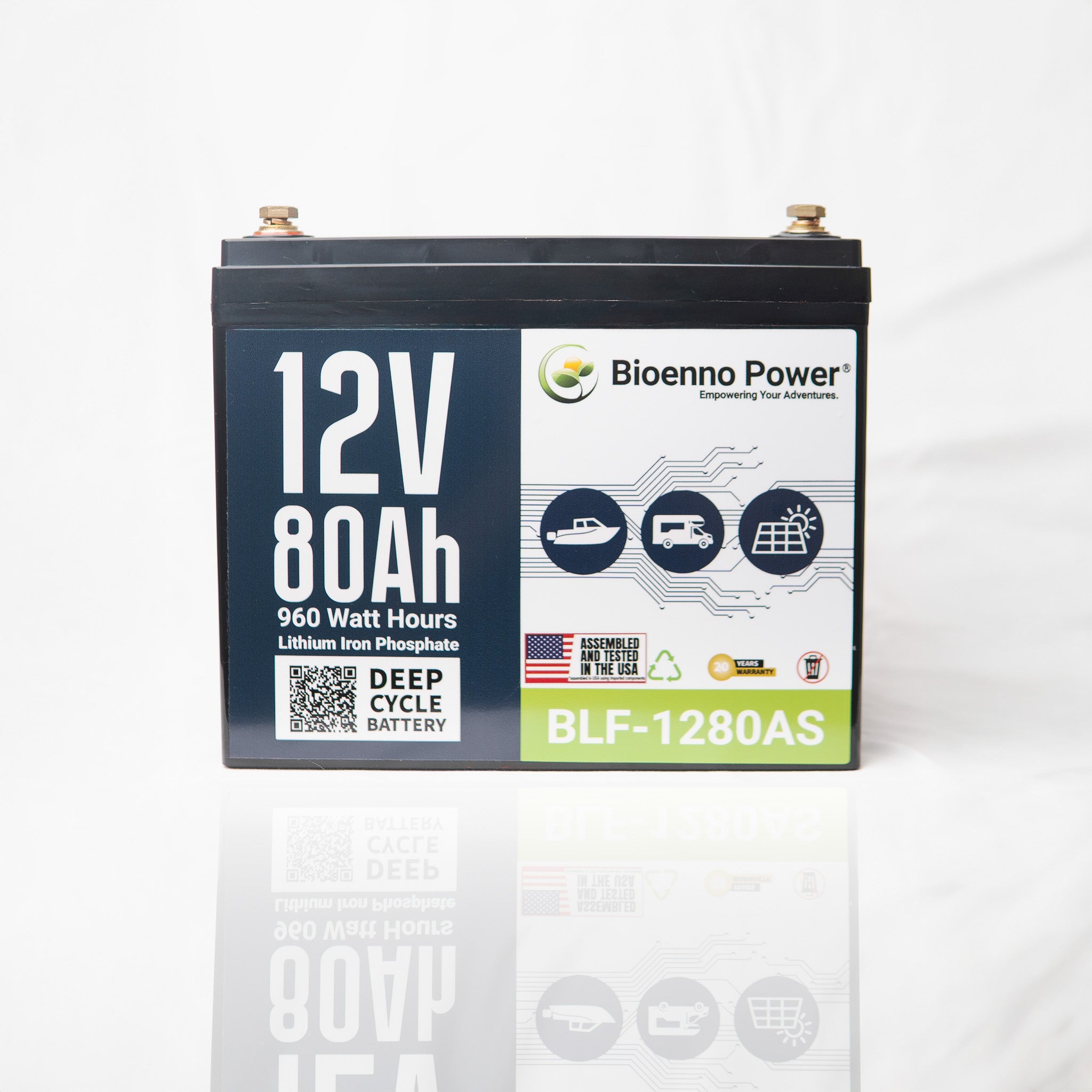
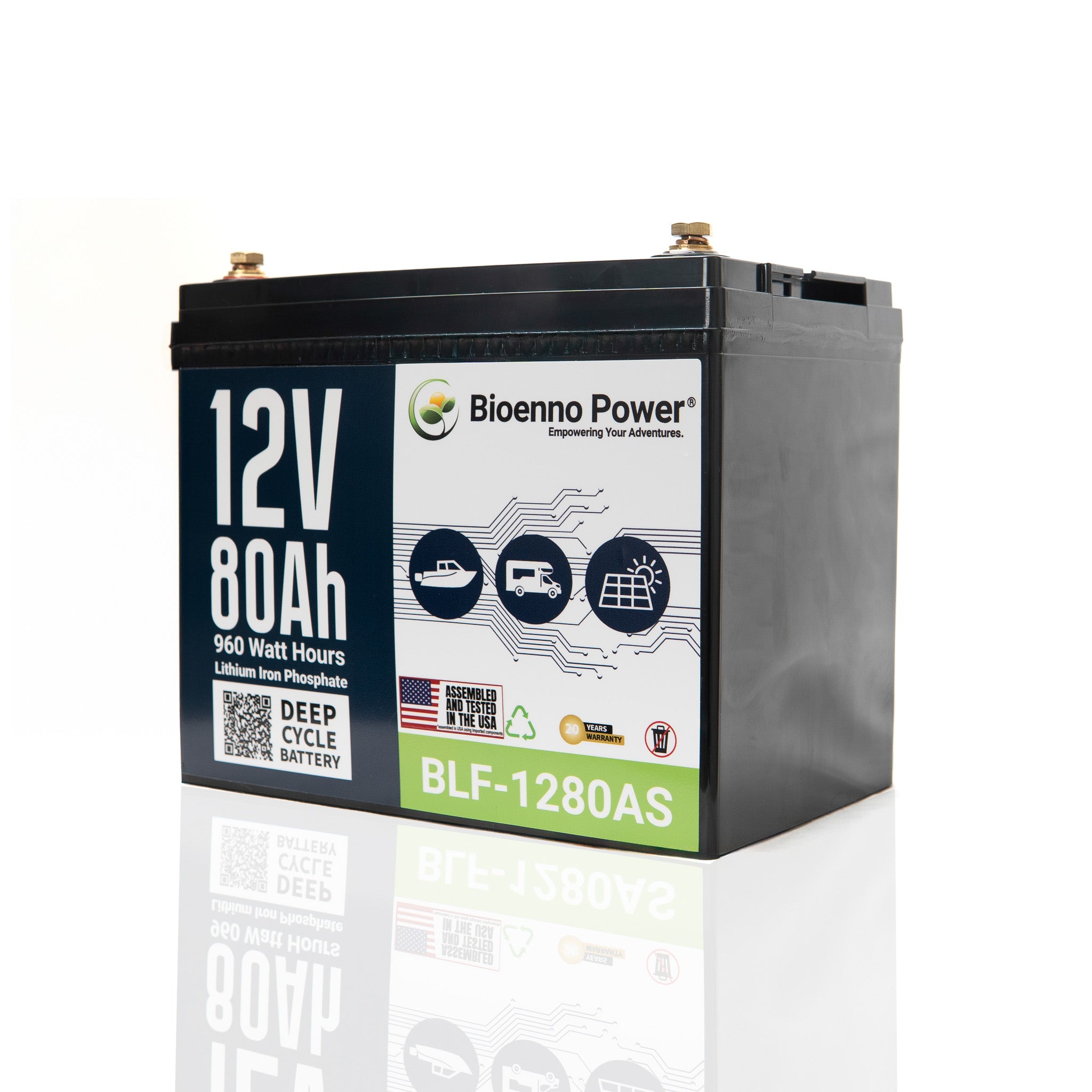
A single 100Ah battery, such as the 12V 100Ah LFP Battery, covers a day or two of moderate use with some solar input to recover the difference. Larger builds running higher draw appliances, like a compressor fridge and an inverter for power tools or cooking equipment, often benefit from stepping up in capacity or wiring a second battery in parallel.
When to Add a Second Battery
If your trips regularly run longer than three or four days between charging opportunities, or your rig supports multiple high-draw accessories, a second battery gives real headroom instead of running the bank down to empty every night. It also adds redundancy if one battery needs service mid-trip.
Building a Solar Setup for Overland Trips That Keeps Up
Solar is what turns a battery bank from a countdown timer into a renewable resource. The right setup depends on your vehicle's roof space, your daily drive time, and how much sun exposure your route offers.
Panel Wattage and Placement
A rooftop-mounted panel works well for rigs that stay in open terrain, while a 100 Watt Foldable Solar Panel gives overlanders the flexibility to angle toward the sun at camp, move it into shade when parked under trees, and stow it flat when the vehicle is in motion.
Charge Controllers and Compatibility
A charge controller matched to your battery chemistry helps keep the charging profile correct and protects the battery from overcharging. Bioenno's solar panels and charge controllers are built to pair directly with LiFePO4 batteries, which reduces the guesswork of matching third-party components.
Charging From the Road
Solar is not the only recharging option. Many overland builds also wire in an alternator-based charging system so the battery bank tops off while the vehicle is driving between camp spots, which is especially useful on days with limited sun. The guide on alternator charging for RV and van life covers how that setup works and what to check for compatibility before wiring it in.

Monitoring Your Overlanding Battery Power System in the Field
A power system is only as reliable as your ability to know what state it is in before it fails on you.
Why Built-in PCM Protection Matters
LiFePO4 batteries include a built-in protection circuit module (PCM) that protects against overcurrent, overvoltage, and short circuits, which matters more on an overland trip where a battery issue cannot be solved with a quick trip to a hardware store. According to Battery University, lithium iron phosphate chemistry is considered one of the more thermally stable lithium-ion options, which is part of why it has become common in demanding mobile and off-grid applications.
Tracking State of Charge in the Field
Guessing at remaining capacity leads to dead batteries at the worst time. Pairing your battery bank with a monitor, such as a Victron smart shunt, gives a real-time read on state of charge, current draw, and charging status, so you can adjust your usage before you are down to nothing.
Putting the System Together Before You Head Out
A pre-trip check catches the small issues before they become trip-ending problems miles from cell service.
Before rolling out, run through this checklist:
- Charge the battery bank to full and confirm the charge controller is reading correctly
- Check all terminal connections for corrosion or looseness
- Test the solar panel output in direct sun before you need it in the field
- Confirm your fridge, lighting, and any inverter are pulling the amperage you expect
- Pack a backup charging cable or adapter in case a connector fails
Common mistakes first-time overlanders make include:
- Undersizing the battery bank for the actual daily load
- Skipping a charge controller rated for the battery chemistry
- Mounting solar panels where roof racks or gear cast shade for part of the day
- Assuming lead-acid wiring and fuse sizing will work the same for lithium
Ready to Build Your Setup
A reliable overlanding power system comes down to matching battery capacity to your actual daily use, backing it with solar and a compatible charge controller, and keeping an eye on state of charge while you are out. Bioenno's RV and overlanding batteries are built to handle that role, with the option to add solar and monitoring components as your build grows. Bioenno's batteries and solar accessories are assembled and supported in Santa Ana, California, and backed by a full replacement warranty. Shop the lineup to put together a power system sized for your next trip. Not sure what you need? Contact our team and we'll get you pointed in the right direction.