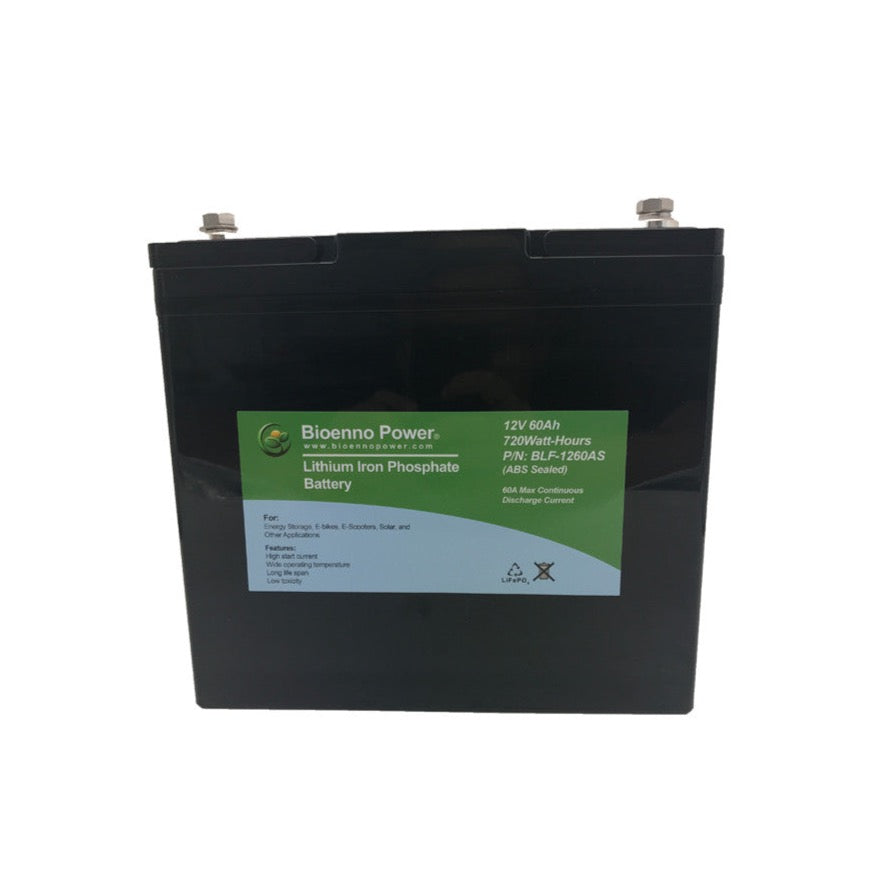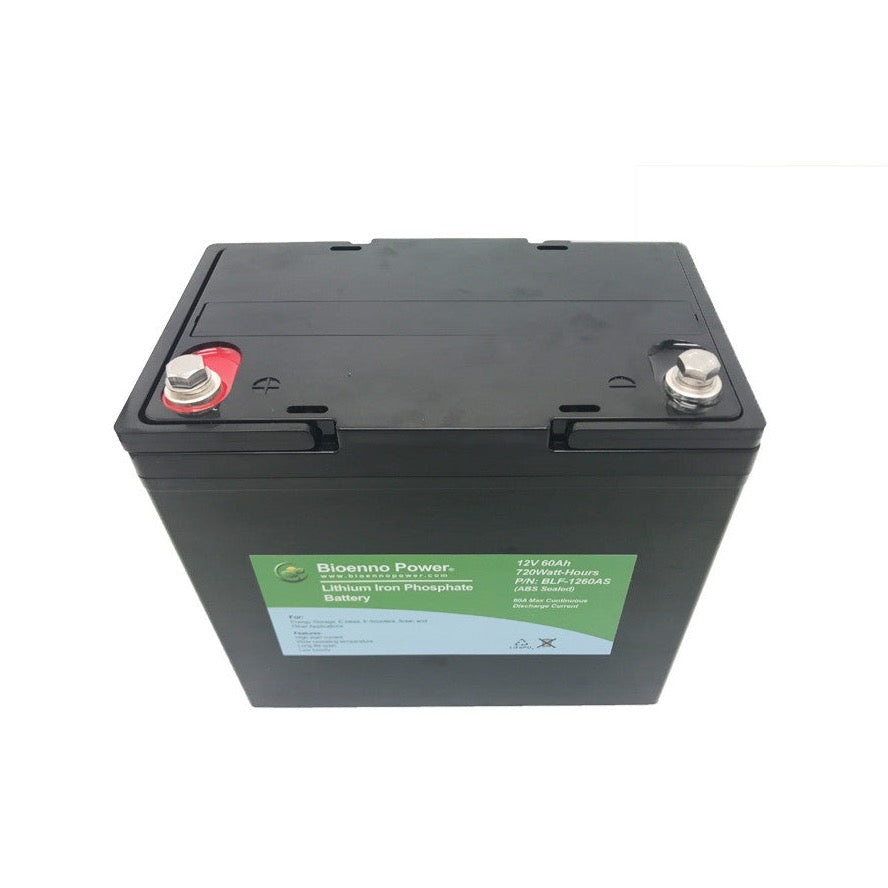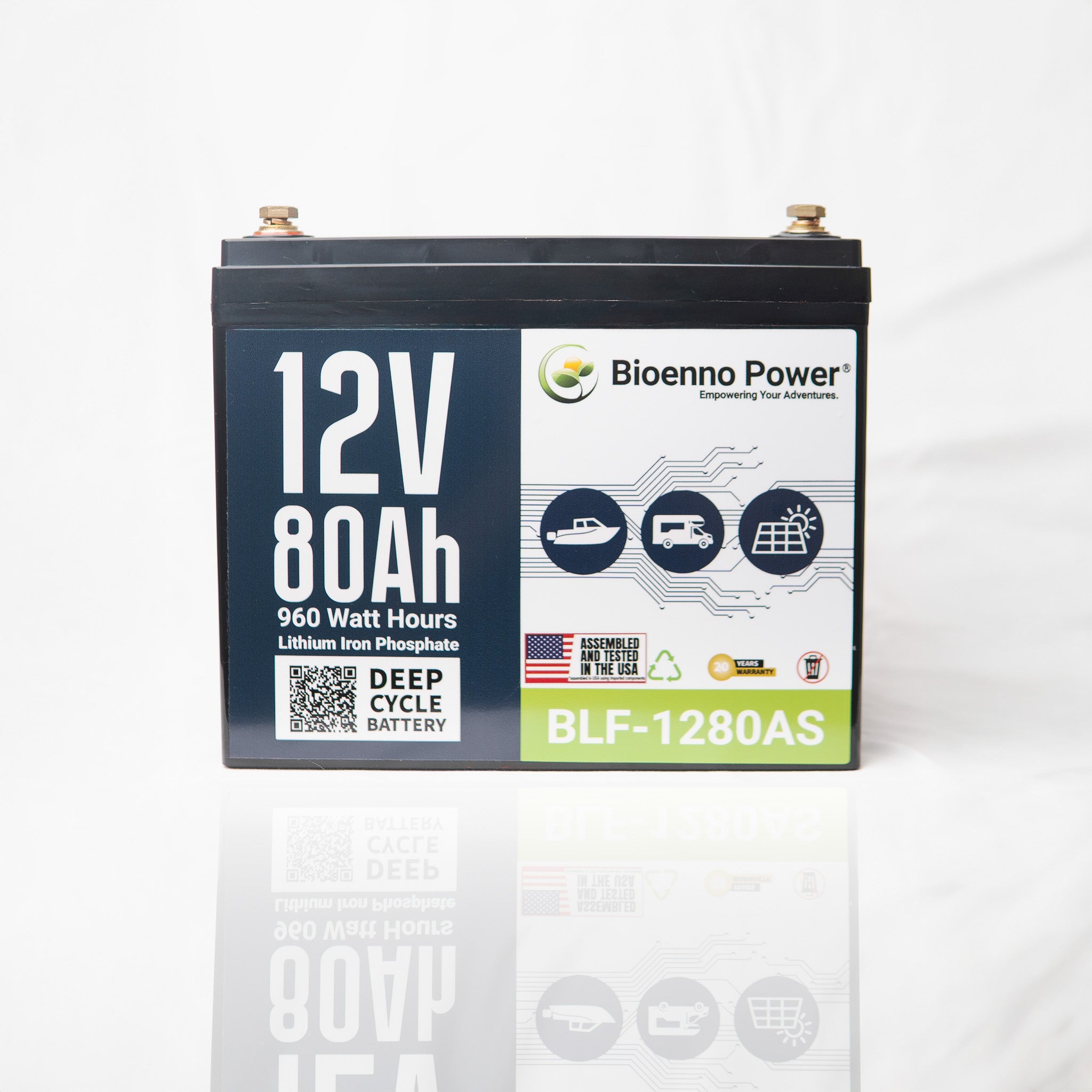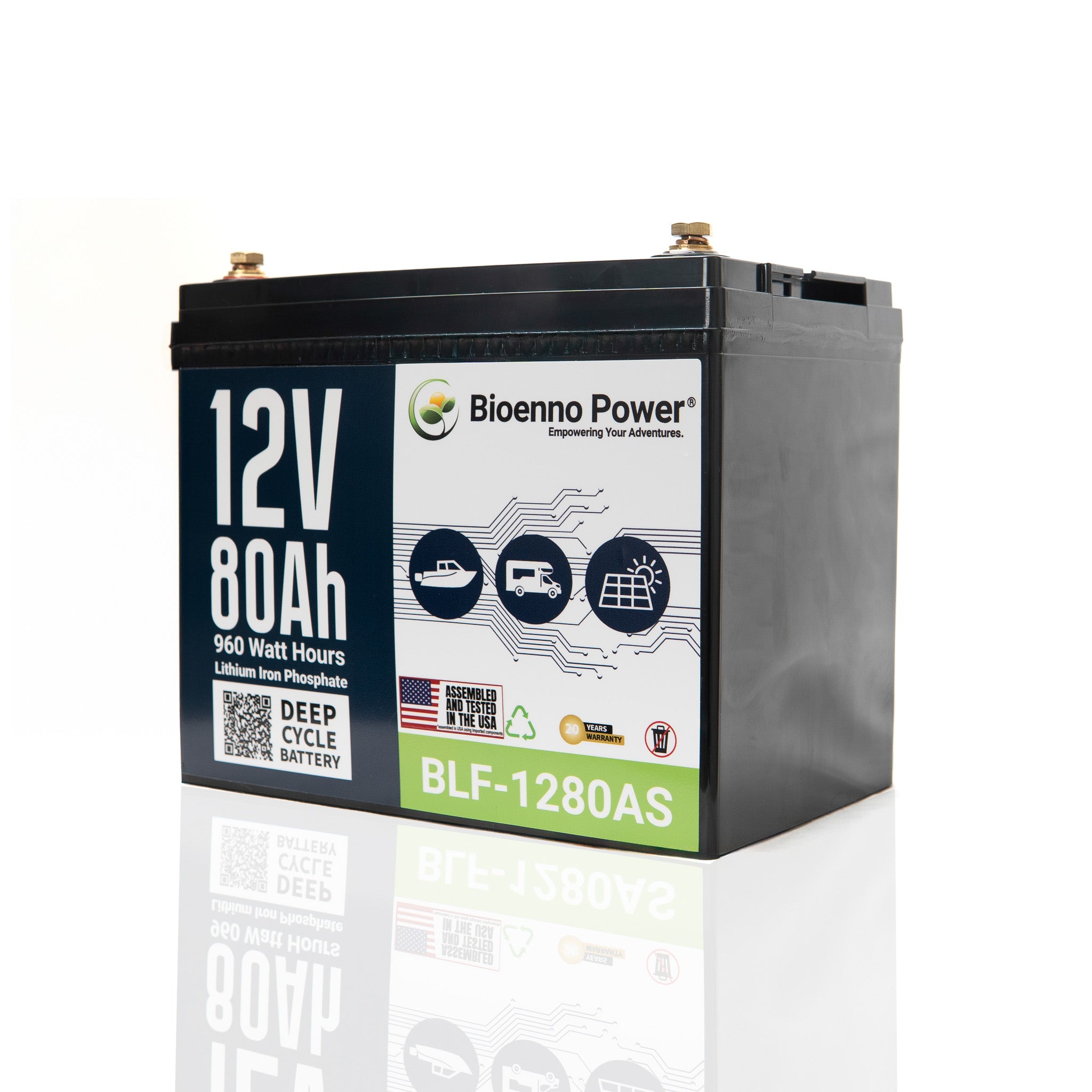
Most e-bike, e-scooter, and golf cart batteries fail early for the same reason: the original lead-acid or generic lithium pack was never designed to keep up with daily riding. A properly sized LiFePO4 (lithium iron phosphate) battery can extend range, cut charging time significantly, and last for years longer, as long as the voltage, capacity, and battery management system are matched to the vehicle, whether you're planning an e-scooter battery upgrade or replacing a golf cart lithium battery.
Why Lead-Acid Batteries Fall Short for E-Bikes, Scooters, and Golf Carts
The Weight and Range Problem
Lead-acid batteries are dense and heavy relative to the power they store. On an e-bike or e-scooter, that extra weight eats directly into range and makes the vehicle harder to handle, especially on hills or longer commutes. On a golf cart, a bank of lead-acid batteries adds hundreds of pounds that slow acceleration and reduce how far the cart travels on a single charge.
Slow Charging and Frequent Replacement
Lead-acid batteries also charge slowly and lose usable capacity as they age, often needing replacement every one to three years with regular use. Riders end up charging more often for less range, then replacing the pack sooner than they expected.

What Makes a LiFePO4 (Lithium Iron Phosphate) Battery Different
Longer Cycle Life and Deeper Usable Capacity
Lithium iron phosphate cells are widely recognized for long cycle life and strong thermal stability compared with other lithium battery chemistries, as detailed in this overview of lithium iron phosphate battery chemistry. In practical terms, that means a LiFePO4 battery can be discharged more deeply and recharged far more often than a lead-acid battery before it needs to be replaced, which lowers the real cost of ownership over the life of the vehicle.
Built-In Battery Management for Safety
A quality LiFePO4 battery includes a built-in battery management system (BMS) that helps protect against overcharging, over-discharging, and short circuits. This is especially important for e-bikes and scooters that see daily use and frequent charging, since the BMS is what keeps the pack operating safely as it ages.
Matching Battery Voltage and Capacity to Your Ride
E-Bikes and E-Scooters
Most e-bikes and e-scooters run on 12V, 24V, or 36V systems, depending on the motor and controller. Before buying a replacement battery, confirm the exact voltage your vehicle requires, along with the physical dimensions of the battery compartment, since a battery that is too large will not fit even if the voltage is correct. For example, a typical 500W e-bike motor commonly pairs with a 36V or 48V battery, while smaller 250W to 350W setups often run on 24V or 36V.
Electric Golf Carts
Electric golf carts typically use higher-voltage configurations, often built from multiple 12V or 24V batteries wired together to reach 36V or 48V systems. When switching a cart from lead-acid to lithium, it is important to confirm the cart's charger and wiring are compatible with the new configuration before installation. In some cases, switching to lithium also requires a compatible charge controller, not just a new charger, so check both before ordering. Older carts originally wired for a bank of 6V batteries may need a full rewiring rather than a simple drop-in swap, since that setup doesn't map directly onto a single higher-voltage lithium battery.
Before purchasing a replacement battery, confirm the following:
- The exact voltage and amp-hour (Ah) rating your motor or controller requires
- The physical dimensions of the battery compartment or tray
- Whether your vehicle uses a single battery or multiple batteries wired in series
Bioenno's LiFePO4 batteries built for e-bikes, e-scooters, and golf carts are available across common voltage and capacity ranges, which makes it easier to find a drop-in match for most existing setups.

What to Check Before You Buy a Replacement Battery
Terminal and Connector Compatibility
Battery terminals and connectors vary by vehicle and manufacturer. Check the existing connector type before ordering a new battery, and confirm what connector and cabling options are available so the new battery can be wired in without improvising a connection.
Charging Requirements
LiFePO4 batteries need a charger designed for that chemistry. Using a lead-acid charger on a lithium battery, or the reverse, can prevent the battery from charging properly or shorten its life. Review LiFePO4-compatible charger options to make sure the charging equipment matches the new battery before switching over.
A simple pre-purchase checklist can prevent most installation issues:
- Confirm voltage and amp-hour rating against the motor or controller specs
- Measure the battery compartment before ordering
- Match the connector type and confirm charger compatibility
Getting Support After You Switch
Warranty and Real-Person Support
Bioenno Power batteries are backed by a comprehensive warranty and supported by a real, USA-based team rather than an offshore call center, which matters most when a rider has a question about installation or charging behavior after the switch.
Where to Ask Questions First
If you are unsure which battery fits your e-bike, scooter, or golf cart, review the frequently asked questions page first, since many voltage, charging, and compatibility questions are already answered there.
Switching from lead-acid to a properly matched LiFePO4 battery is one of the most direct ways to get more range, faster charging, and a longer-lasting pack out of an e-bike, e-scooter, or golf cart. Browse Bioenno's E-Transport battery collection to find the right upgrade for your ride or contact us if you need help figuring out which battery is the right fit for your application.