When winter storms knock out power for days, having a reliable backup system isn't just convenient; it's essential. The difference between weathering a storm comfortably and scrambling in the dark often comes down to preparation. Building a complete home backup power solution with LiFePO4 batteries, solar panels, and charge controllers gives you the independence to keep critical devices running, no matter how long the outage lasts.
This guide walks you through creating a backup power system tailored for winter conditions, from sizing your battery bank to integrating solar charging in low-light situations. Whether you're protecting your home office, keeping medical equipment operational, or simply maintaining comfort during extended outages, understanding how these components work together will help you build a solution that delivers when it matters most.
Understanding Your Power Needs During Outages
Before selecting batteries or solar panels, you need to know exactly what you're powering and for how long. This isn't about guessing; it's about calculating your actual consumption to avoid both over-spending on unnecessary capacity and under-preparing for real emergencies.
Start by identifying your essential devices. During a winter storm outage, most households prioritize refrigeration, lighting, phone charging, medical equipment, heating controls (if applicable), and perhaps a laptop for communication. Each device has a power rating measured in watts, typically listed on a label or in the manual. For example, a modern refrigerator might draw 150 watts when running, LED lights use 10 to 15 watts each, and a laptop charger typically consumes 60 watts.
Once you know the wattage, estimate daily runtime. A refrigerator cycles on and off, running perhaps 8 hours total per day. Lights might operate 6 hours in the evening. A phone charger draws power for 2 to 3 hours. Multiply watts by hours to get watt-hours (Wh), then sum everything up for your total daily consumption. If your essentials add up to 1,200 Wh per day, you'll need enough battery capacity to cover at least that amount, plus a buffer for efficiency losses and extended outages.

Choosing the Right LiFePO4 Battery Capacity
Lithium iron phosphate batteries are ideal for backup power because they offer high energy density, long cycle life, and safe operation in varied temperatures. Unlike lead-acid alternatives, LiFePO4 batteries maintain consistent voltage throughout discharge and can be cycled thousands of times without significant degradation.
When sizing your battery bank, consider both capacity and voltage. Most home backup systems operate at 12V, which simplifies compatibility with DC-powered devices and inverters. If your daily consumption is 1,200 Wh and you want three days of autonomy without recharging, you need 3,600 Wh of storage. At 12V, that translates to 300 Ah (since watt-hours divided by voltage equals amp-hours).
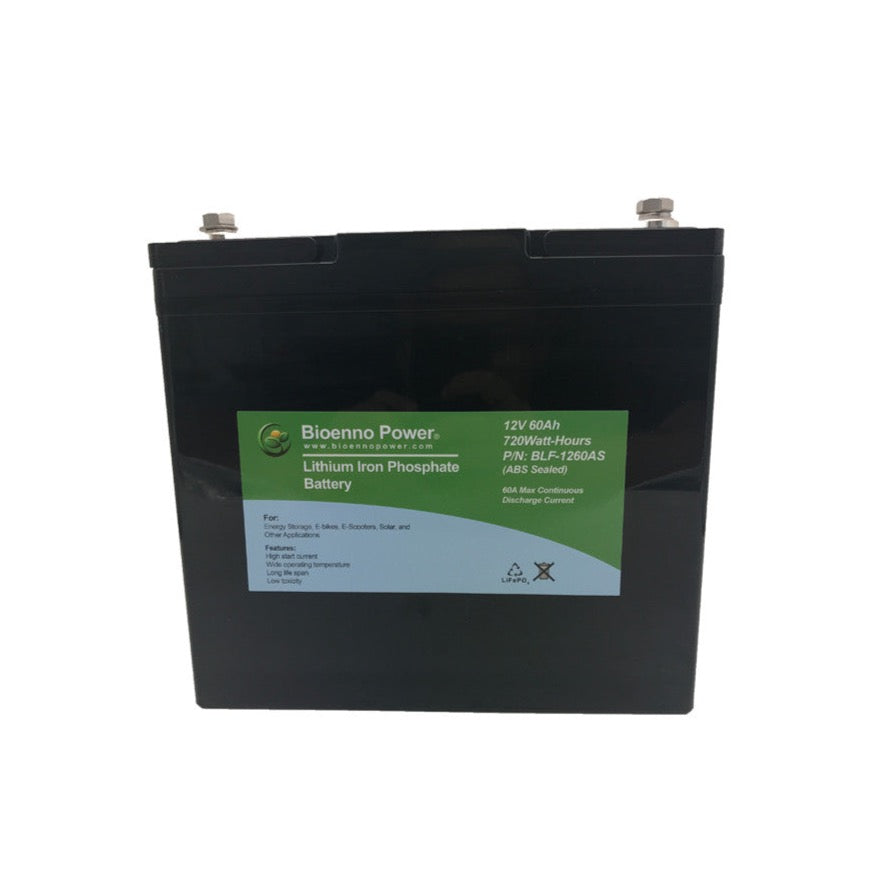
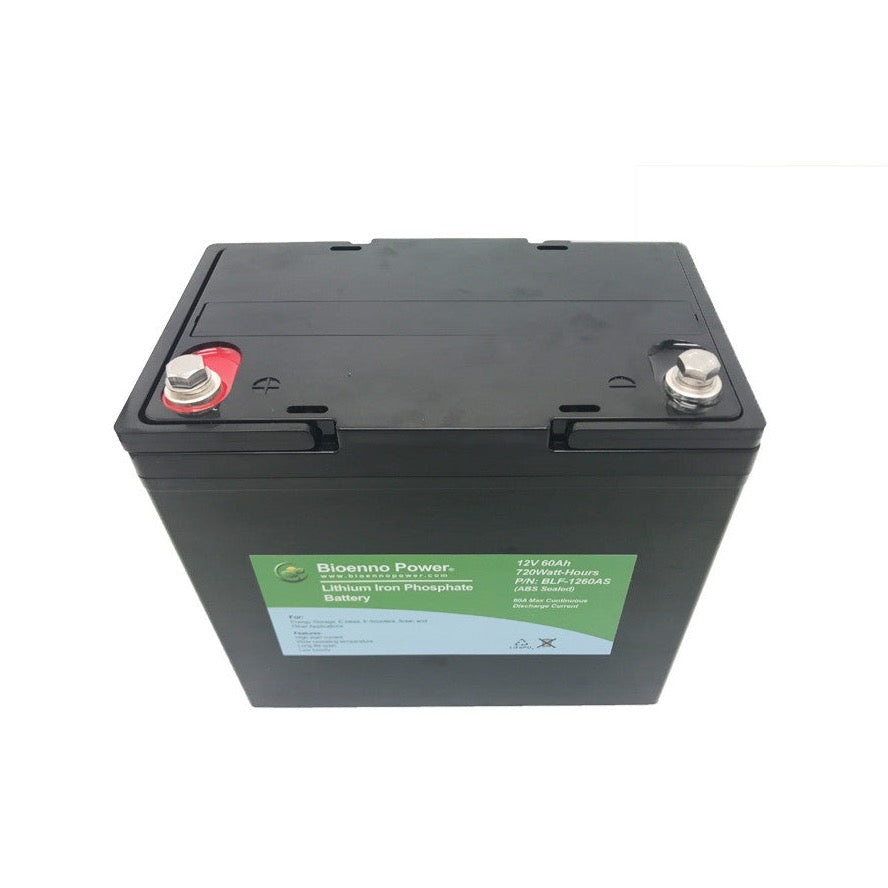
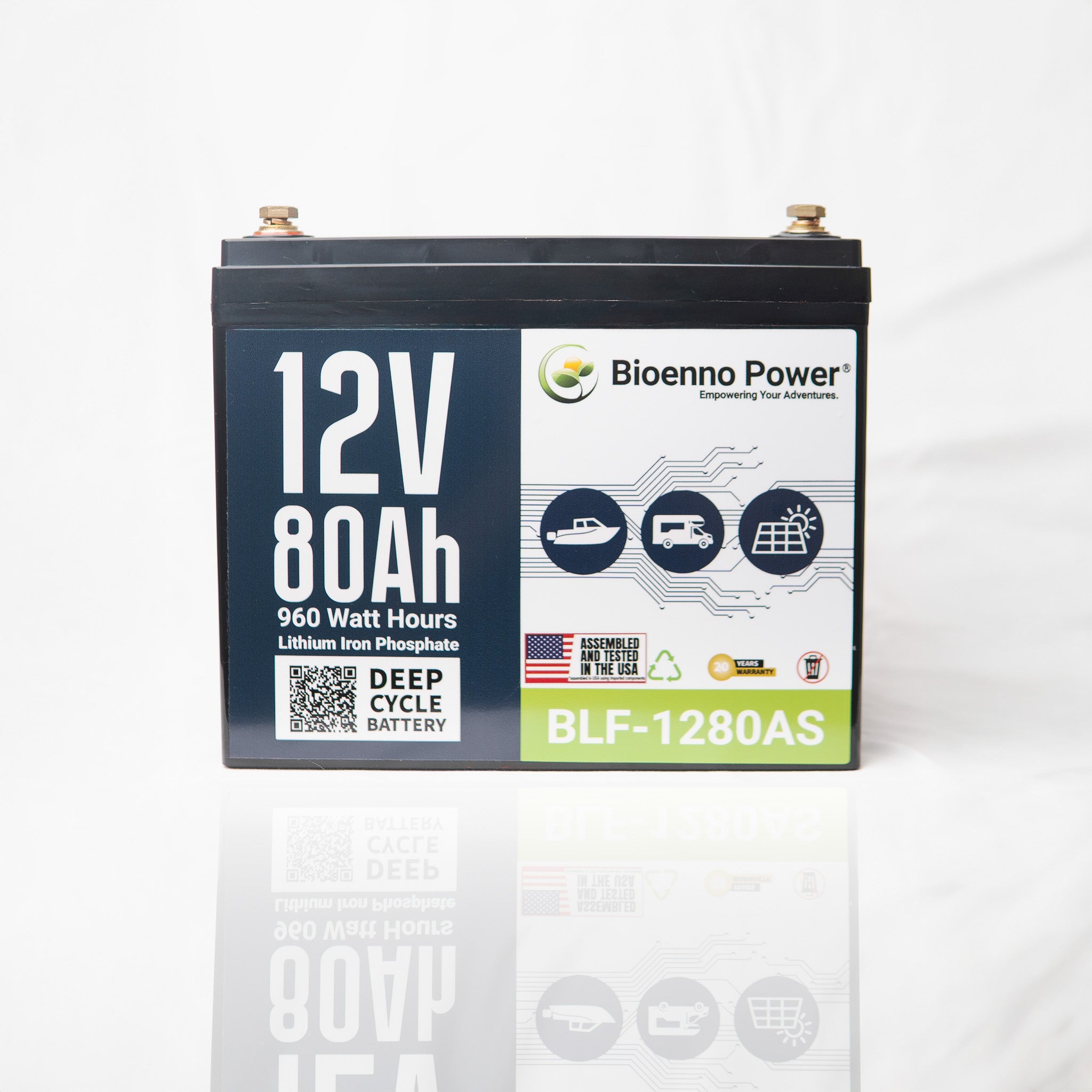
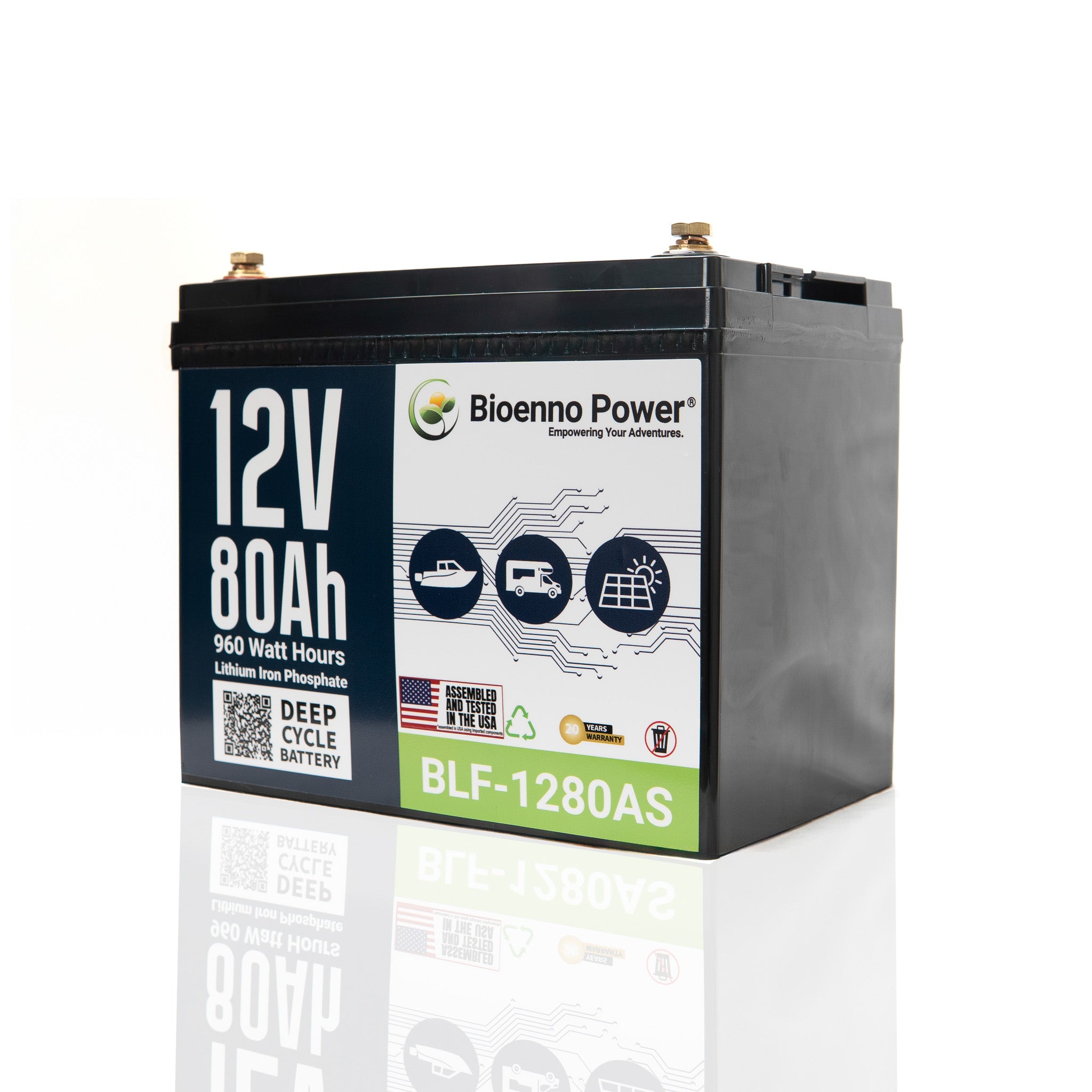
Bioenno's battery lineup makes this straightforward. For moderate needs, a 12V 100Ah battery provides 1,200 Wh of storage in a single unit. For larger systems, you can parallel multiple batteries to increase capacity. Two 12V 100Ah units give you 2,400 Wh, three provide 3,600 Wh, and so on. This modular approach lets you scale your system as needs change or budget allows.
Real-world example: imagine a winter storm hits your area and knocks out power for 72 hours. You're running a refrigerator (150W for 8 hours = 1,200 Wh), LED lights (40W for 6 hours = 240 Wh), laptop charging (60W for 4 hours = 240 Wh), and phone charging (10W for 3 hours = 30 Wh). That's 1,710 Wh per day, or 5,130 Wh over three days. A combination of three 12V 100Ah batteries (3,600 Wh total) plus modest solar input would keep you running comfortably, assuming you manage consumption and weather permits some charging.
Integrating Solar Charging in Winter Conditions
Solar panels are often viewed skeptically for winter use, and it's true that shorter days and lower sun angles reduce output compared to summer. However, solar can still contribute meaningful charge to your battery bank, especially during multi-day outages when every watt-hour counts.
Panel Selection and Placement
Winter solar charging starts with realistic expectations and smart panel selection. A 100W panel that produces 500 Wh per day in summer might only deliver 200 to 300 Wh in winter, depending on latitude, weather, and snow cover. To compensate, consider oversizing your array or using higher-wattage panels. A 200W panel still produces useful power even on cloudy winter days, and multiple panels can be wired in parallel to increase current.
Placement matters enormously in winter. If you're setting up a temporary backup system, angle your panels as steeply as practical to shed snow and capture low-angle sunlight. In northern latitudes, tilting panels to your latitude plus 15 degrees optimizes winter collection. Clear snow promptly after storms; even a thin layer can drastically reduce output.
Charge Controllers for Reliable Charging
A quality charge controller manages the flow of energy from panels to batteries, preventing overcharge and optimizing charging efficiency. For LiFePO4 batteries, look for controllers with programmable charging profiles or specific LiFePO4 settings, as these batteries require different voltage parameters than lead-acid types.
MPPT (Maximum Power Point Tracking) controllers are especially valuable in winter, extracting more power from panels operating in suboptimal conditions. While PWM controllers are simpler and cheaper, an MPPT unit can increase harvest by 20 to 30 percent when light levels are marginal, making the investment worthwhile for serious backup systems.
Consider this scenario: you have a 200W solar panel connected to a 12V 100Ah battery through an MPPT controller. On a partly cloudy winter day, the panel produces 150W for an average of 4 hours, delivering 600 Wh. That's half your daily consumption from the earlier example, meaning your battery drain is cut in half and your autonomy effectively doubles. Over a week-long outage, this solar contribution is the difference between rationing power and maintaining normal operations.
System Assembly and Configuration
Building your backup power system involves connecting batteries, solar panels, charge controllers, and inverters in a logical sequence. Start with the batteries as your central energy storage. Connect your charge controller to the battery bank first, following polarity carefully (positive to positive, negative to negative). Then connect your solar panels to the controller's input terminals.
If you're using an inverter to power AC devices, connect it directly to the battery bank with appropriately sized cables. Inverter sizing depends on your peak load; if your largest simultaneous draw is 300W (refrigerator plus lights), a 500W or 1000W inverter provides adequate headroom. For DC devices, you can use the battery's built-in terminals or add a fused distribution block for multiple connections.
Cable sizing is critical for safety and efficiency. Undersized wires create resistance, generating heat and wasting power. For a 100Ah battery delivering 50A to an inverter, use at least 6 AWG cable for short runs (under 3 feet) or 4 AWG for longer distances. Include appropriate fuses or circuit breakers at the battery terminals to protect against short circuits.
Real-World Application: Three-Day Winter Outage
Let's walk through a complete example. You live in a region prone to ice storms, and you want a backup system that keeps essentials running for three days without grid power. Your critical load includes a refrigerator (150W, 8 hours daily), a propane furnace's electronic controls (50W, 2 hours daily), LED lighting (40W, 6 hours daily), and device charging (30W, 4 hours daily).
Daily consumption: (150W × 8h) + (50W × 2h) + (40W × 6h) + (30W × 4h) = 1,200 + 100 + 240 + 120 = 1,660 Wh per day. For three days without solar input, you need 4,980 Wh. At 12V, that's 415 Ah of battery capacity. You could use four 12V 100Ah LiFePO4 batteries in parallel, providing 4,800 Wh (close enough with some conservation).
Adding solar extends your autonomy. A 300W panel in winter might produce 1,000 Wh per day on average, reducing your net battery drain to 660 Wh daily. Now those four batteries last nearly a week instead of three days. Even on the cloudiest days when solar drops to 400 Wh, you're still cutting battery drain by nearly 25 percent, buying you critical extra time.
Maintenance and Best Practices
Once your system is running, maintaining it properly ensures reliability when storms strike. LiFePO4 batteries require minimal maintenance compared to lead-acid types, but a few practices maximize lifespan and performance.
Keep batteries at moderate temperatures when possible. While LiFePO4 can discharge in freezing conditions, charging below 32°F (0°C) can damage cells. If your batteries are in an unheated space, consider insulating them or bringing them indoors during extreme cold. Some Bioenno batteries include low-temperature charging protection, automatically preventing charge acceptance when too cold.
Monitor battery voltage periodically. A fully charged 12V LiFePO4 battery reads about 13.3 to 13.6V, while 12.8V indicates roughly 50 percent charge. If voltage drops below 12V, recharge soon to avoid deep discharge. Many charge controllers include low-voltage disconnect features that protect batteries by cutting loads when voltage falls too low.
Test your system before you need it. Once or twice a year, simulate an outage by running your home on battery power for a day. This reveals any weak points, verifies your consumption calculations, and builds familiarity with operating the system under stress.

Expanding Your System Over Time
One advantage of modular battery and solar systems is scalability. You might start with a single 12V 100Ah battery and a 100W panel, then add capacity as budget and experience allow. Each additional battery increases runtime, and each additional panel reduces reliance on stored energy.
As you expand, consider diversifying panel locations. One panel on a south-facing roof, another on a portable stand you can reposition, and perhaps a third on a shed or garage maximizes total collection and reduces the impact of shading or snow on any single panel.
You might also add monitoring equipment to track system performance. Bluetooth-enabled charge controllers and battery monitors let you see real-time data on production, consumption, and battery state of charge, making it easier to optimize usage and catch problems early.
Take Control of Your Energy Security
Winter storms are unpredictable, but your response doesn't have to be. Building a backup power system with Bioenno's LiFePO4 batteries, solar panels, and charge controllers gives you the independence to weather outages comfortably and safely. Whether you're protecting critical medical equipment, maintaining communication, or simply avoiding food spoilage, having reliable power when the grid fails is invaluable.
Ready to build your winter storm backup system? Explore our complete range of portable power solutions or contact our team for personalized guidance on sizing and configuring a system that meets your specific needs. Don't wait for the next storm to wish you'd prepared; start building your energy security today.