Winter doesn't mean your solar panels need to hibernate. While shorter days and lower sun angles present real challenges, understanding how to optimize your solar setup during cold months can keep your portable power systems running strong. Whether you're powering ham radio equipment in the field, maintaining off-grid systems, or keeping RV batteries charged, winter solar charging requires a strategic approach that differs significantly from summer operations.
The good news? Cold temperatures actually improve solar panel efficiency. The challenge lies in maximizing exposure to limited sunlight and managing snow accumulation. With the right techniques and understanding of winter solar dynamics, you can maintain reliable power generation even during the darkest months of the year.
Understanding Winter Solar Challenges
Winter solar charging presents a unique set of obstacles that go beyond simply having fewer daylight hours. The sun's path across the sky changes dramatically during winter months, sitting much lower on the horizon than during summer. This lower angle means sunlight travels through more atmosphere before reaching your panels, reducing intensity and potentially limiting peak charging hours to a narrow window around midday.
Snow accumulation adds another layer of complexity. Even a thin layer of snow can reduce solar panel output to nearly zero, and ice buildup can persist for days in freezing conditions. However, these challenges aren't insurmountable. Many northern regions with significant snowfall successfully operate solar systems year-round by implementing proper positioning and maintenance strategies.
Consider this real-world scenario: a ham radio operator in Minnesota running a portable station during winter field day. With proper panel positioning at a steep angle and a simple snow removal routine, they maintained sufficient charging to power their equipment throughout the event, despite temperatures well below freezing and periodic snow squalls. The key was preparation and understanding the winter solar environment.

Optimal Panel Positioning for Winter
Adjusting Your Tilt Angle
Panel angle makes an enormous difference in winter performance. As a general rule, your solar panels should be tilted at an angle equal to your latitude plus 15 degrees during winter months. This steeper angle compensates for the lower sun position and has the added benefit of helping snow slide off more easily.
For portable solar setups, adjustable mounting systems become invaluable during winter. A panel that worked perfectly flat during summer may need to be propped at 45 to 60 degrees in winter, depending on your location. The steeper angle captures more direct sunlight during those precious midday hours when the sun is at its highest point.
Bioenno Power's portable solar panels are designed with adjustability in mind, featuring kickstands and mounting options that allow quick angle changes. This flexibility means you can optimize positioning based on current conditions rather than accepting a fixed, suboptimal angle.
Tracking the Winter Sun
The sun's arc across the sky is much shorter in winter, meaning the optimal panel orientation changes more rapidly throughout the day. If you're using a fixed installation, orient panels toward true south (in the Northern Hemisphere) to capture the maximum amount of sunlight during the sun's limited path across the sky.
For portable applications where you can manually adjust throughout the day, repositioning panels even once or twice can significantly boost total energy capture. Think of it like following a spotlight across a stage; staying aligned with the source maximizes what you receive.
Managing Snow and Ice Accumulation
Snow management is perhaps the most hands-on aspect of winter solar charging. While some panel manufacturers advertise "self-cleaning" surfaces, reality often requires manual intervention, especially after heavy snowfall or when temperatures hover around freezing and create sticky, wet snow.
The steep tilt angle recommended for winter helps tremendously with snow shedding. Panels angled at 45 degrees or more will often self-clear once the sun warms them slightly, causing accumulated snow to slide off naturally. However, during extended cloudy periods or when snow is particularly wet and heavy, you'll need to clear panels manually.
Use soft-bristled brushes or foam squeegees designed for solar panels. Never use metal scrapers or tools that could scratch the panel surface, as even minor scratches can reduce long-term efficiency. If you're working with an off-grid cabin or RV installation, keeping a dedicated snow removal tool easily accessible makes regular maintenance much more likely to happen.
For those using portable solar setups with LiFePO4 battery systems, the combination of easily accessible panels and battery storage creates an ideal winter power solution. You can clear snow from panels whenever conditions allow, charging your Bioenno Power batteries during peak sun hours and drawing on stored energy during nights and cloudy periods.
Maximizing Limited Daylight Hours
With potentially half the daylight hours available compared to summer, efficiency becomes critical. This means ensuring every component in your solar charging system is optimized. Cable runs should be as short as practical to minimize voltage drop, connections should be clean and tight, and charge controllers should be properly sized for your panel and battery combination.
Winter also makes battery storage capacity more important than ever. During summer, you might rely on continuous solar charging throughout long days. Winter requires a different approach: capturing as much energy as possible during limited peak hours and relying on battery reserves during extended periods of low or no solar input.
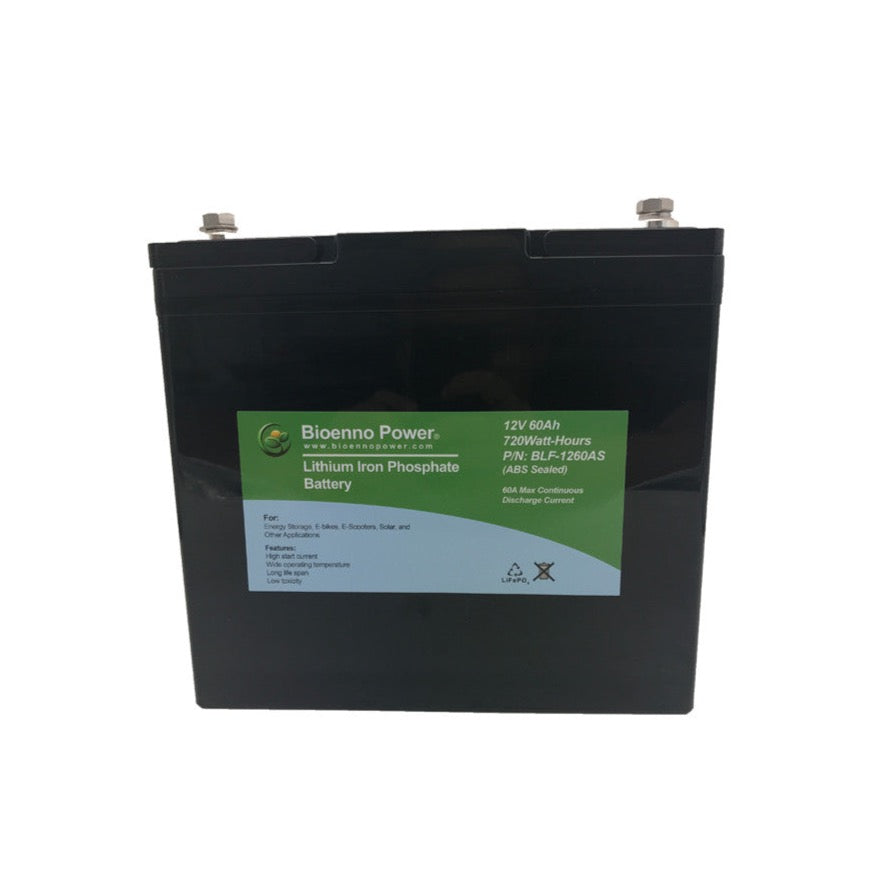
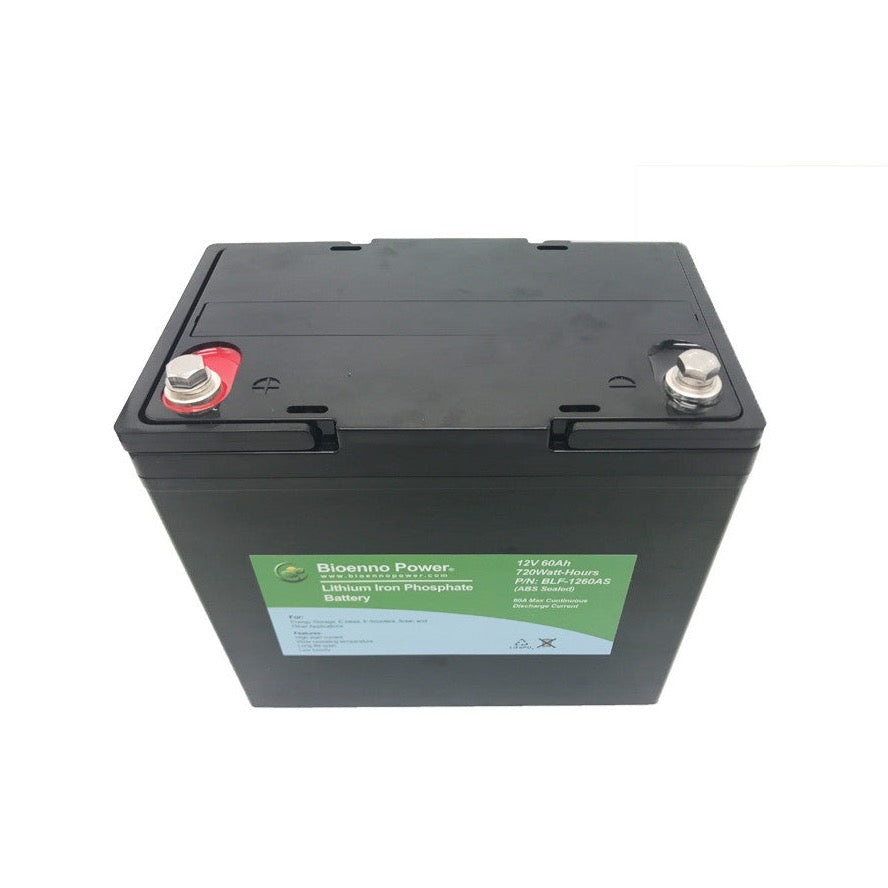
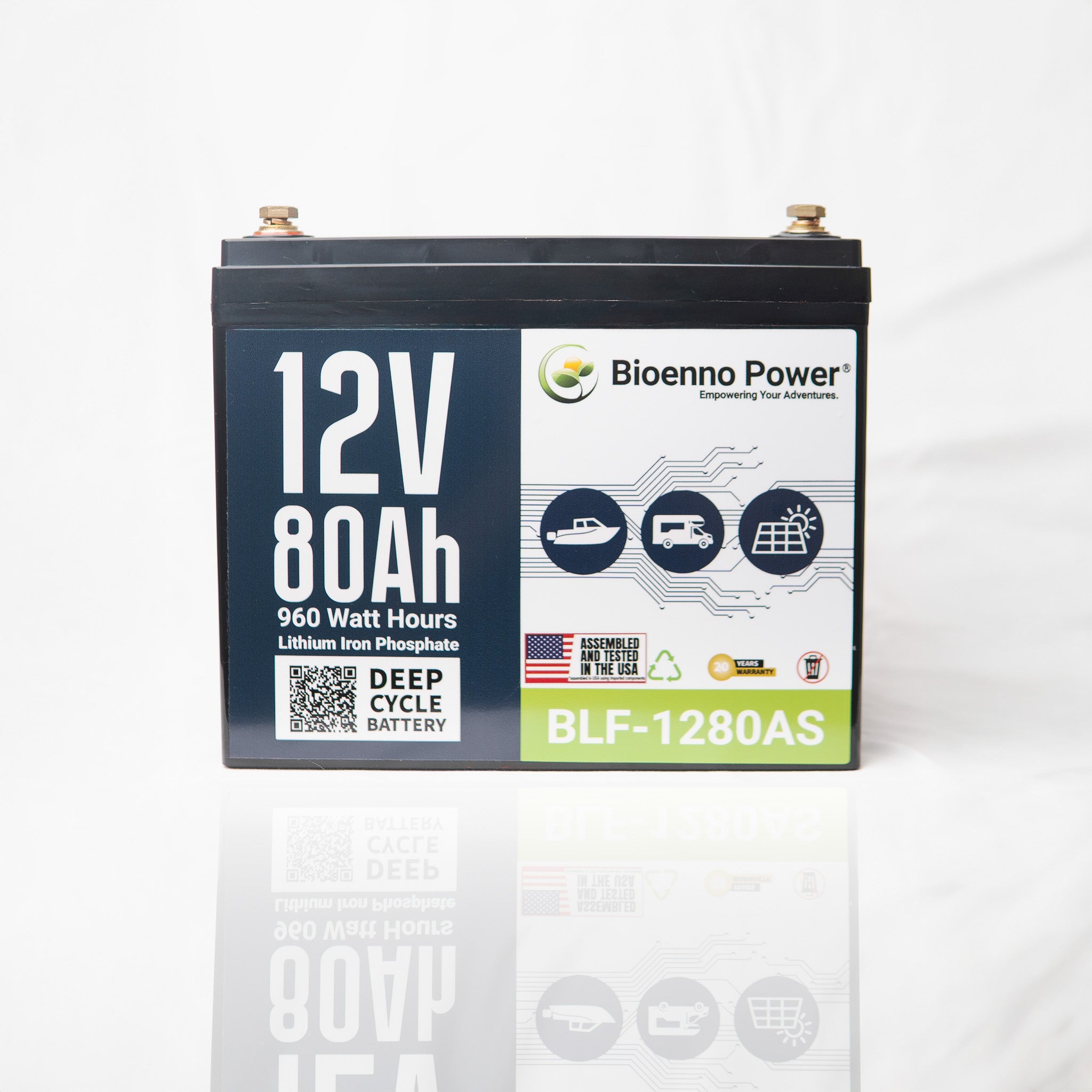
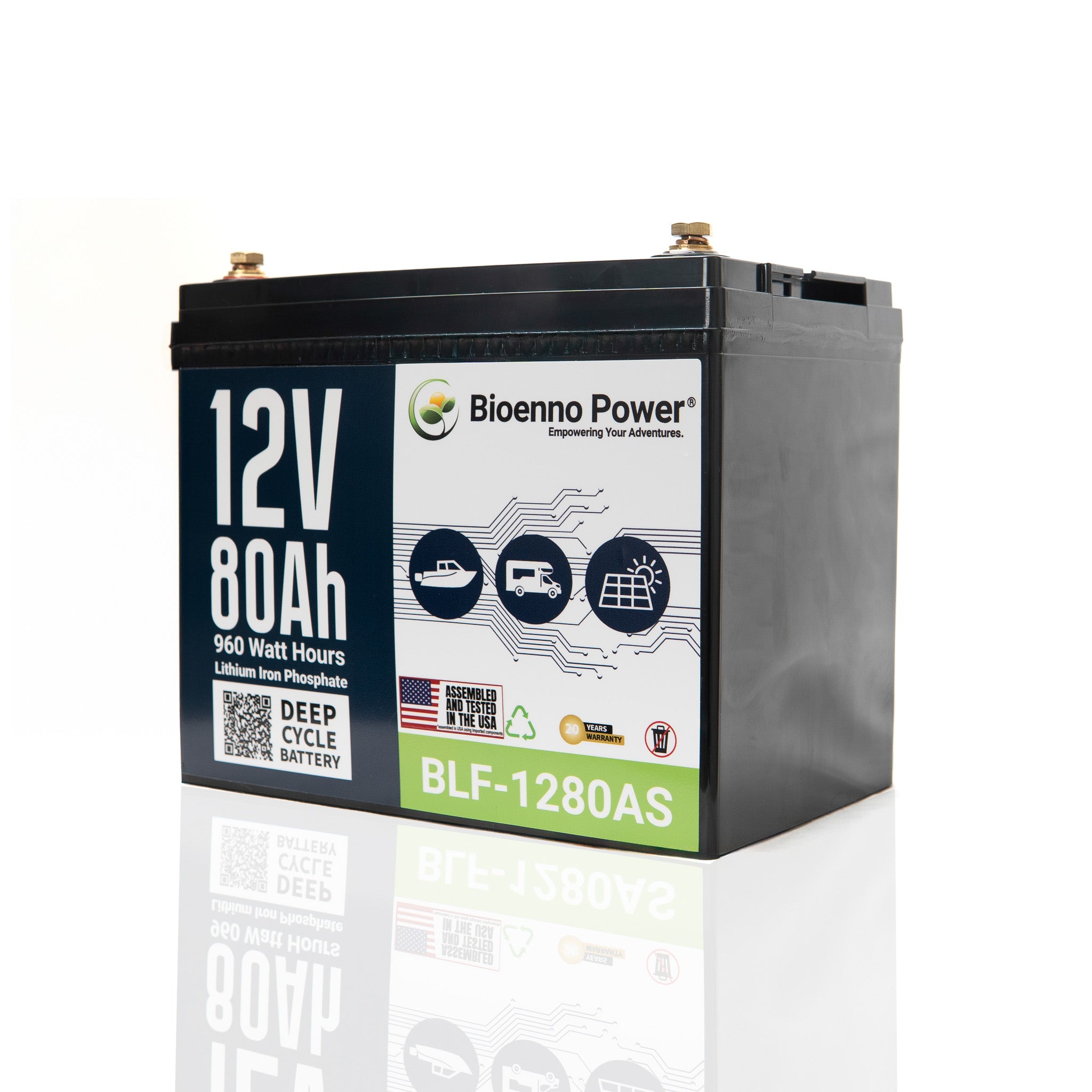
Bioenno Power's LiFePO4 batteries excel in this role because they maintain excellent performance in cold temperatures compared to traditional battery chemistry. They also handle the partial state-of-charge cycling that's common in winter solar applications without the degradation issues that plague other battery types.
Cold Weather Advantages
Here's something that surprises many people: solar panels actually become more efficient in cold temperatures. The silicon semiconductors in solar cells work more effectively when cool, meaning your panels can produce higher voltages and improved efficiency on cold, clear winter days compared to hot summer conditions.
This cold weather efficiency boost can partially offset the reduced daylight hours, especially during those brilliant sunny days after a winter storm passes through. The combination of cold temperatures, reflective snow cover increasing ambient light, and clean air following storm systems can create surprisingly productive charging conditions.
The key is capitalizing on these optimal conditions when they occur. This means having your panels positioned correctly, kept clear of snow, and connected to properly sized battery storage that can capture and hold the energy generated during peak conditions.

Practical Maintenance Tips
Regular maintenance becomes even more important during winter months. Check connections weekly to ensure nothing has loosened due to temperature cycling or ice formation. Inspect cables for any damage from freezing, expansion, or wildlife activity (mice and other creatures sometimes seek shelter near solar equipment during winter).
Keep panels clean beyond just snow removal. Winter road salt, dust from heating systems, and other contaminants can accumulate on panel surfaces. A simple rinse with water on days above freezing can maintain optimal light transmission. If you're in an area where water won't freeze immediately, a quick cleaning during midday sun when panels are warmest works well.
Monitor your battery charge levels more closely during winter. With reduced charging capacity and potentially increased loads from heating or longer nighttime power usage, staying aware of your energy balance prevents unexpected power shortages. Many Bioenno Power batteries include built-in capacity indicators or can be easily monitored with simple voltage meters.
System Design Considerations
If you're planning a new solar setup or upgrading an existing system, winter performance should factor into your design decisions. Oversizing your solar panel capacity relative to summer needs provides buffer for winter's reduced output. A system that generates 150% of your summer requirements might provide just enough during winter's challenging conditions.
Battery capacity deserves similar consideration. Having several days of reserve power stored in LiFePO4 batteries means short cloudy periods or heavy snow events don't immediately impact your power availability. This reserve capacity is particularly important for critical applications like emergency communications or off-grid living where power interruption isn't acceptable.
Real-World Winter Solar Success
Across North America, thousands of users maintain reliable solar power systems throughout winter. From Alaska to the northern tier states, proper setup and maintenance keep everything from remote communications systems to off-grid cabins powered through the coldest, darkest months.
The common thread among successful winter solar operations isn't massive system size or exotic technology. It's understanding the unique challenges winter presents and implementing straightforward solutions: proper panel angles, regular snow clearing, adequate battery storage, and realistic expectations about daily energy capture during short winter days.
One RV owner in Montana shared their experience: after implementing a steeper panel angle and adding an additional Bioenno Power LiFePO4 battery to their system, they maintained comfortable winter camping capability even during week-long stretches of cloudy weather. The combination of optimized solar capture during clear periods and sufficient battery reserve made winter adventures possible without constantly running a generator.
Take Action for Better Winter Performance
Winter solar charging success comes down to preparation and proper equipment. Start by evaluating your current setup: can you adjust panel angles for winter's lower sun? Do you have adequate battery storage to bridge cloudy periods? Is your maintenance routine practical for winter conditions?
Bioenno Power's complete line of solar panels, LiFePO4 batteries, and charging accessories provides everything needed for reliable winter solar operation. Our portable solar panels offer easy angle adjustment, our batteries maintain excellent performance in cold temperatures, and our technical team can help you optimize your system for year-round reliability.
Don't let winter shut down your solar charging capability. With the right approach and equipment, you can maintain strong performance throughout the coldest months, keeping your portable power systems, off-grid installations, or mobile setups running reliably no matter what the season brings. Explore Bioenno Power's solar and battery solutions to build a winter-ready power system that keeps you charged and connected all year long.