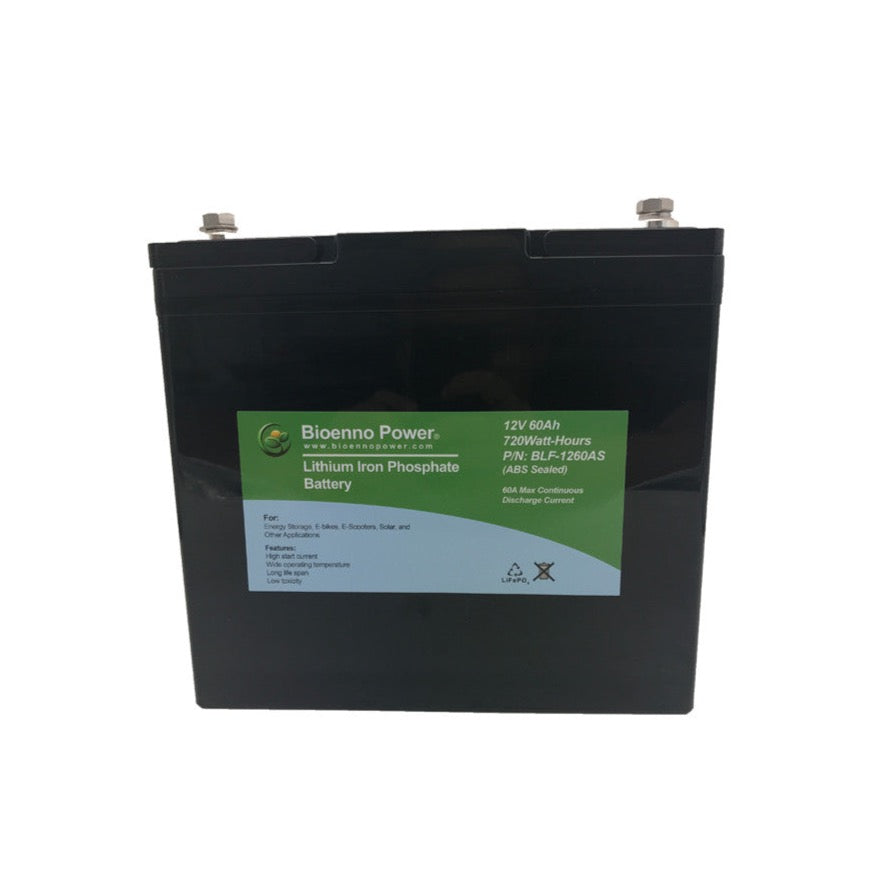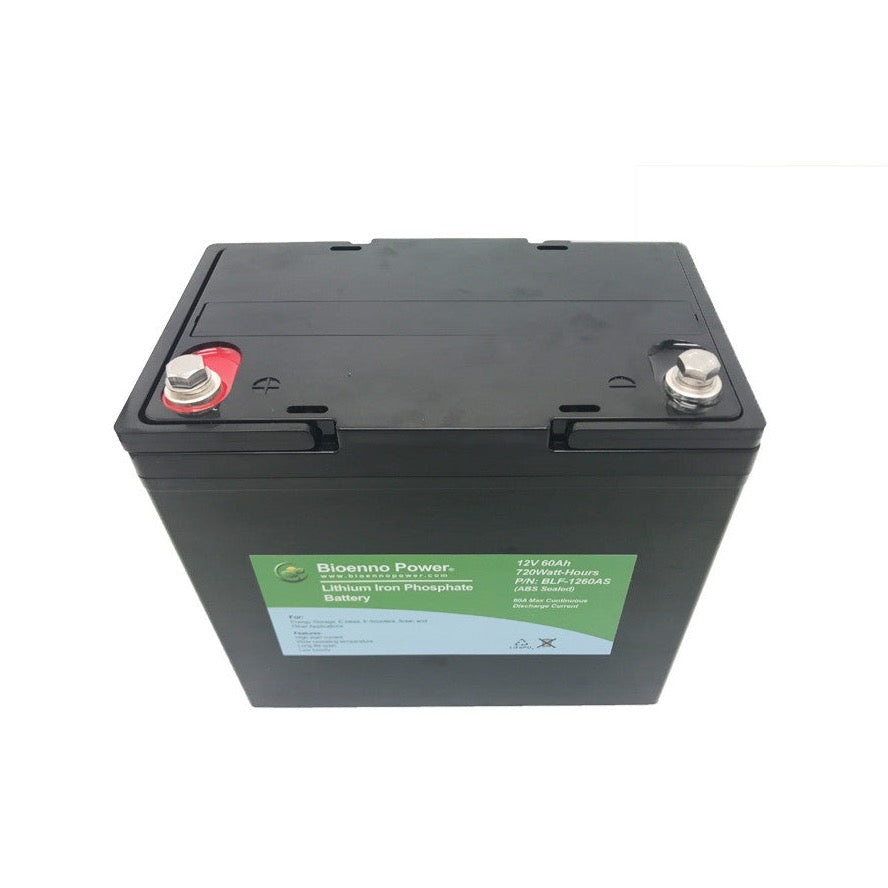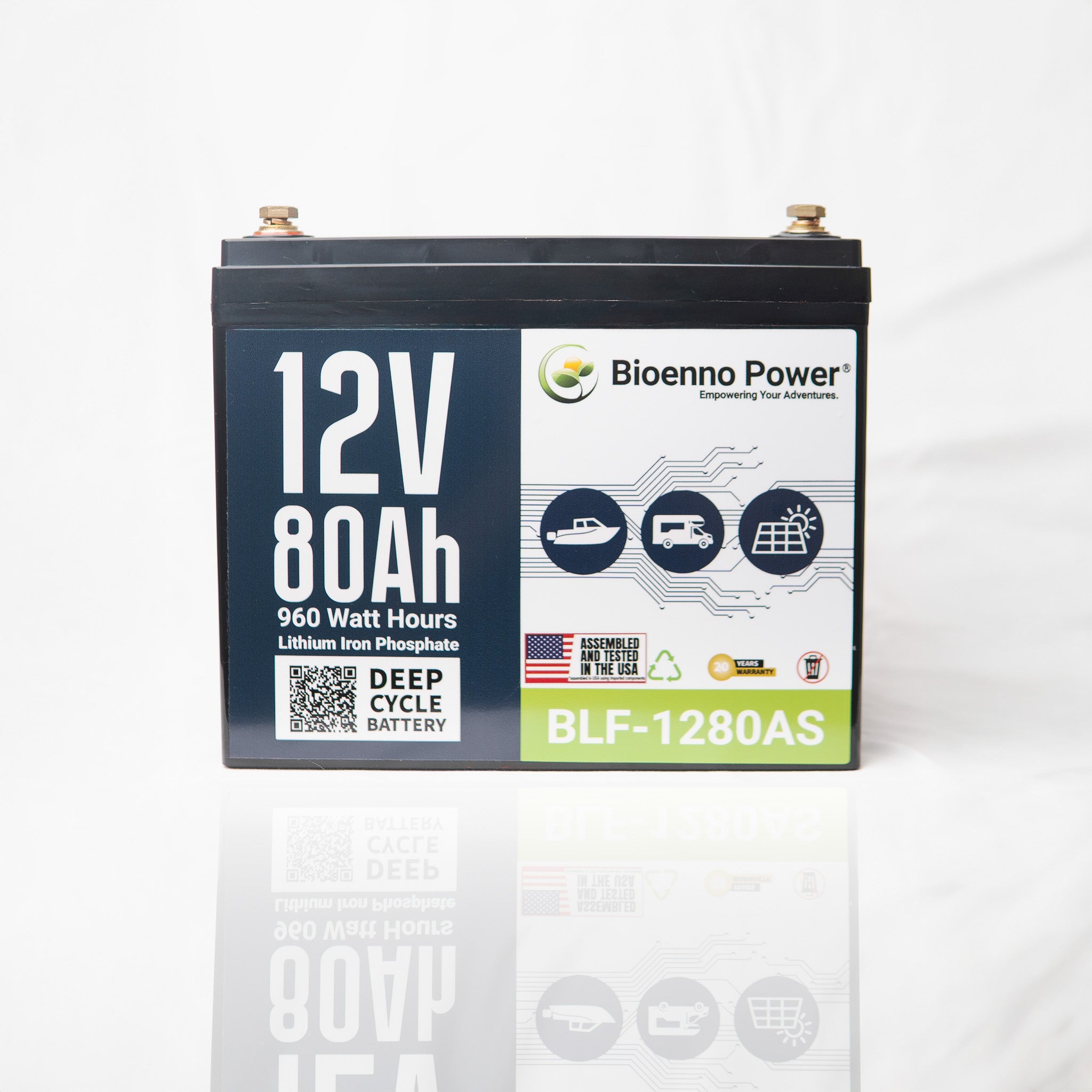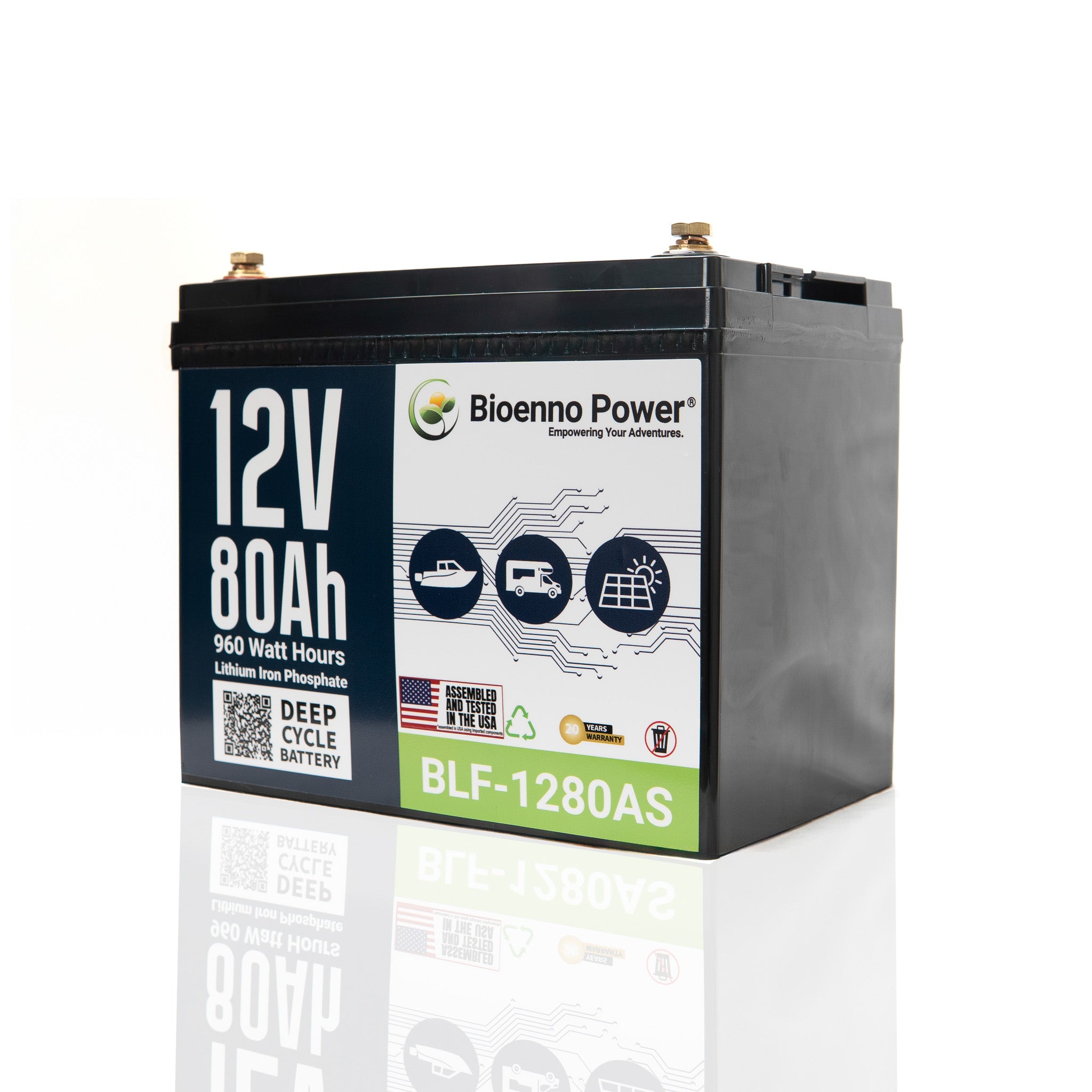
PWM and MPPT solar charge controllers share one core job: regulating the energy that flows from your solar panels into your battery so it charges safely. The difference is how each one handles panel voltage, and that difference is what determines which controller fits your system. A PWM controller is often the right tool for a small, simple 12V setup built around a LiFePO4 (lithium iron phosphate) battery. An MPPT controller usually earns its higher cost when panel voltage runs well above battery voltage or when every watt of harvest matters. Neither technology is universally better. The right choice is the one that matches your panels, battery bank, cable runs, and budget.
What a Solar Charge Controller Does for a LiFePO4 Battery
A solar charge controller sits between your panels and your battery, acting as a gatekeeper for voltage and current. Without one, an unregulated panel can push more voltage into a battery than it was built to accept, which leads to overcharging and a shortened battery life.
Why LiFePO4 batteries need the right charging profile
LiFePO4 batteries do not charge like lead-acid batteries, so the controller needs to support a LiFePO4 charging profile rather than an AGM (absorbed glass mat) or flooded lead-acid default. Battery University's guide to charging lithium iron phosphate explains that lithium chemistry cannot tolerate the float charge that lead-acid chargers apply, and that charge current should stop once the battery is full. Bioenno's lineup of LiFePO4 batteries includes built-in protection circuitry, but that circuitry is a safety net rather than a substitute for a correctly configured controller. Always confirm the controller's settings against the documentation for your specific battery.
Where the controller fits in a solar power system
The signal chain is straightforward: panels feed the controller, the controller feeds the battery, and the battery powers your lights, refrigerator, electronics, or radio gear. If you are assembling your first setup, this beginner's guide to solar charging LiFePO4 batteries walks through how the pieces connect before you commit to hardware.
How a PWM Charge Controller Works
PWM stands for pulse width modulation. A PWM controller links the panel to the battery in rapid pulses, tapering those pulses as the battery approaches full charge.
Strengths of PWM controllers for small solar setups
- A simple, proven design with few failure points
- A lower purchase price, which matters on a budget-conscious build
- A natural fit for a single 12V panel charging a 12V battery, such as a weekend camping kit built around a foldable panel
Limitations of PWM in higher-voltage systems
A PWM controller pulls the panel down to the battery's voltage during charging. When the panel's voltage sits well above the battery's, that extra voltage goes unused. This is a design boundary, not a defect. It explains why PWM expects panel and battery voltage to match, and why it cannot take full advantage of higher-voltage panels or long cable runs.

How an MPPT Charge Controller Works
MPPT stands for maximum power point tracking. Instead of pulling the panel down to battery voltage, an MPPT controller continuously locates the panel's most productive operating voltage, then converts the surplus voltage into additional charging current.
Strengths of MPPT controllers for RV and off-grid arrays
- Harvests more usable energy whenever panel voltage exceeds battery voltage
- Performs well in cold conditions and shifting light, when panel voltage rises or fluctuates
- Recovers energy through the partial shade common around marinas and sailboat rigging, where light changes throughout the day
- Handles longer cable runs gracefully, which suits RV roof arrays and fixed off-grid panels
The trade-offs to weigh before paying for MPPT
MPPT controllers cost more and take up more space. On a small array where the panel voltage already matches the battery, the extra harvest can take a long time to pay back the price difference. For a compact portable kit you set up at a campsite and pack away at night, PWM's simplicity is a feature rather than a compromise.
How to Choose Between PWM and MPPT for LiFePO4
The fastest route to a confident decision is to answer five questions about your real system instead of shopping by feature lists:
- What is your panel's voltage relative to your battery bank's voltage?
- How many total watts does your array produce?
- How long is the cable run from the panels to the battery?
- Will this system run daily or only on occasional trips?
- What is your realistic budget for the complete system, not just the controller?
Match the controller to panel and battery voltage
A 12V panel charging a 12V LiFePO4 battery over a short cable run is classic PWM territory. A higher-voltage panel, or panels wired in series charging a 12V or 24V bank, points toward MPPT because the controller can convert the surplus voltage into charging current instead of leaving it unused. For example, a camper topping off a single 12V battery from one portable 12V panel over a short cable gives up little by choosing PWM, while an RV running two roof panels wired in series into the same 12V bank would leave usable energy unharvested without MPPT's voltage conversion.
Size the controller to your array
The controller's current rating needs to comfortably handle the array's maximum output, and its input-voltage limit needs to cover the panel's open-circuit voltage (the highest voltage a panel produces with no load attached, a number that climbs in cold weather). If you are still working out how much battery capacity your trips actually demand, this battery sizing guide for first-time solar users helps you plan loads before you buy hardware.
Factor in cable runs, sunlight, and portability
Long cable runs between roof-mounted panels and a battery compartment favor higher-voltage arrays paired with MPPT, because higher voltage reduces losses over distance. Occasional-use systems give PWM's lower cost more room to make sense, while a daily-driver RV or off-grid setup tends to justify MPPT faster. Bioenno's solar lineup includes charge controllers designed for LiFePO4 batteries at multiple price points, so your system design, not product availability, can drive the decision. Confirm whether a specific model is PWM or MPPT in its product documentation before ordering.

Solar Charge Controller Mistakes to Avoid
Skipping the LiFePO4 charging profile
Many controllers ship with lead-acid defaults. Left on an AGM or flooded setting, a controller can undercharge a LiFePO4 battery or hold voltages the battery was never designed around. Checking the charging profile takes minutes and protects a battery worth far more than the controller.
Sizing the controller at the edge of its rating
Running any controller at its maximum input voltage or current leaves no headroom for real-world conditions, like the voltage spike a cold, sunny morning can produce. Confirm both ratings in the documentation for the specific model you are considering, and leave margin instead of sizing to the exact number.
Buying components before planning the system
Battery capacity, panel wattage, and controller type are one decision rather than three separate ones. The same planning logic applies to shore and backup charging, which is why it pays to select compatible battery chargers and solar components documented to work with LiFePO4 chemistry from the start.
PWM and MPPT are both proven tools, and the better controller is simply the one matched to your panels, your battery bank, and the way you actually use your system. Bioenno Power batteries are assembled in Santa Ana, California, backed by a replacement warranty and real, USA-based support. When you are ready to build a solar charging system where every component works together, you can shop now for solar charge controllers, foldable solar panels, and LiFePO4 batteries. Contact us if you need help figuring out which battery, charger, or other accessories are right for your set up.