February marks that sweet spot in the calendar when winter's grip starts to loosen and the promise of open roads beckons. For RV owners, this transition period isn't just about dreaming of your next destination; it's the critical window for ensuring your battery system is ready to support every adventure ahead. Whether your rig has been sitting in storage or you've been using it sparingly through the cold months, proper battery maintenance now prevents frustrating breakdowns later.
Think of your RV's battery system like an athlete preparing for competition. You wouldn't expect peak performance without proper conditioning, and the same principle applies to your power source. A well-maintained battery system means reliable lighting, functioning appliances, and the freedom to boondock without anxiety. Let's walk through the essential steps to get your system spring-ready.
Understanding What Winter Does to RV Batteries
Cold weather is particularly harsh on battery systems, especially traditional lead-acid batteries. When temperatures drop, the chemical reactions inside batteries slow down significantly, reducing available capacity. A battery that delivered 100% capacity in summer might only provide 50% or less in freezing conditions. This capacity reduction isn't permanent damage, but it does stress the battery and can accelerate wear if not properly managed.
If your RV sat unused during winter, self-discharge became another challenge. All batteries naturally lose charge over time, and lead-acid batteries can self-discharge at rates of 5% to 15% per month depending on temperature. A battery left completely discharged through winter can develop sulfation, where lead sulfate crystals harden on the plates and permanently reduce capacity. This is why spring maintenance is so crucial; you're essentially assessing what winter took from your battery and determining if it can still meet your needs.

Essential Pre-Season Inspection Tasks
Visual Assessment and Cleaning
Start with a thorough visual inspection of your entire battery setup. Look for any signs of corrosion on terminals, which appears as white, blue, or greenish powdery deposits. Corrosion creates resistance in your electrical connections, leading to voltage drops and inefficient charging. Clean any corroded terminals using a mixture of baking soda and water, then rinse thoroughly and dry completely before reconnecting.
Check all cable connections for tightness. Vibration from travel can loosen connections over time, and a loose connection is as problematic as corrosion. Inspect cables themselves for any signs of fraying, cracking, or damage to the insulation. Damaged cables are safety hazards that need immediate replacement.
Checking Fluid Levels in Flooded Lead-Acid Batteries
If you're still running traditional flooded lead-acid batteries, check the electrolyte levels in each cell. The plates inside should be completely covered with fluid. If levels are low, add only distilled water (never tap water, which contains minerals that damage batteries). Fill to the manufacturer's recommended level, typically just below the fill ring. This step doesn't apply to sealed lead-acid or LiFePO4 batteries, which are maintenance-free in this regard.
Testing Battery Capacity and Health
A voltage reading alone doesn't tell you much about a battery's actual capacity. A battery might show 12.6 volts at rest but collapse under load if it's lost significant capacity. Proper testing involves both resting voltage and load testing.
Start by measuring the resting voltage after the battery has been disconnected from any loads or charging sources for at least a few hours. For a 12-volt lead-acid battery, you're looking for readings above 12.4 volts, which indicates at least 75% charge. Below 12.0 volts suggests the battery is substantially discharged and needs charging before further testing.
A load test applies a specific current draw while monitoring how the voltage responds. Many auto parts stores offer free load testing, or you can purchase a dedicated battery load tester. During a load test, a healthy battery should maintain voltage above 9.6 volts for 15 seconds under a load equivalent to half the battery's cold cranking amps rating. If voltage drops below this threshold, the battery has likely lost significant capacity and may need replacement.
For RV owners with battery monitors or capacity testers, you can perform a discharge test by running known loads and measuring how long the battery sustains them compared to its rated capacity. This real-world test reveals exactly how much usable power your battery can deliver, which is ultimately what matters most for your camping needs.
Recharging After Winter Storage
If testing reveals your battery is discharged, proper recharging is essential before the camping season begins. Use a quality battery charger appropriate for your battery type. Modern smart chargers that provide multi-stage charging are ideal because they automatically adjust charging parameters to prevent overcharging while ensuring complete charging.
For deeply discharged lead-acid batteries, slow charging is better than fast charging. A lower amperage charge (around 10% of the battery's amp-hour rating) allows the charge to penetrate deeply into the plates and can help recover batteries that might otherwise seem dead. This might take 24 hours or more for a large battery bank, but patience here pays dividends in battery longevity.
LiFePO4 batteries handle discharge much better than lead-acid and can be recharged more quickly without damage. However, if your LiFePO4 battery has been stored in very cold conditions, bring it to room temperature before charging to ensure optimal charging efficiency.
When to Consider Upgrading to LiFePO4
If your spring inspection reveals weak batteries that struggled through winter or if you're tired of the maintenance demands of lead-acid batteries, this is the perfect time to consider upgrading to lithium iron phosphate (LiFePO4) technology. The benefits are substantial and directly address many of the pain points RV owners experience with traditional batteries.
LiFePO4 batteries deliver consistent voltage throughout their discharge cycle, meaning your lights stay bright and appliances run efficiently even as the battery depletes. Lead-acid batteries experience significant voltage sag as they discharge, leading to dimming lights and reduced appliance performance well before the battery is actually empty.
Weight savings are dramatic. A LiFePO4 battery typically weighs 50% to 70% less than an equivalent lead-acid battery. For RVers watching payload capacity, this difference can mean hundreds of pounds saved when replacing a full battery bank. That's weight you can reallocate to water, supplies, or simply enjoy as improved fuel economy and handling.
The lifespan advantage is equally compelling. Quality LiFePO4 batteries are rated for 2,000 to 5,000 cycles compared to 300 to 500 cycles for lead-acid batteries. In practical terms, this means a LiFePO4 battery could last 10 years or more in typical RV use, while lead-acid batteries often need replacement every 2 to 4 years. The higher upfront cost is offset by never having to buy batteries again for potentially the entire time you own your RV.
Cold weather performance is another key advantage. While LiFePO4 batteries shouldn't be charged below freezing (many quality units include built-in heating or low-temperature charge protection), they deliver their full rated capacity even in cold conditions. There's no capacity loss like you experience with lead-acid batteries, making them ideal for shoulder season camping when temperatures fluctuate.
System Integration Considerations
If you decide to upgrade to LiFePO4, proper integration with your existing RV systems is important. Most modern RVs work fine with LiFePO4 batteries, but there are a few considerations. Your converter or charger should be compatible with lithium charging profiles, though many LiFePO4 batteries work adequately with standard lead-acid charging parameters.
Battery monitoring becomes more sophisticated with lithium systems. Because LiFePO4 batteries maintain such consistent voltage during discharge, traditional voltage-based monitoring becomes less useful. A shunt-based battery monitor that measures actual current flow provides accurate state-of-charge information regardless of battery chemistry.
Solar charging works beautifully with LiFePO4 batteries because they accept charge more efficiently than lead-acid batteries. This means your existing solar panels will recharge your battery bank faster, potentially allowing you to downsize your solar array or simply enjoy shorter recharge times and more usable power each day.

Creating Your Spring Maintenance Checklist
Develop a systematic approach to battery maintenance that you can follow each spring. Document your battery's specifications, purchase date, and test results so you can track performance over time. This historical data helps you identify gradual capacity loss and plan for replacement before you're stranded with dead batteries.
- Clean and inspect all terminals and connections
- Check and top off electrolyte levels (flooded lead-acid only)
- Measure resting voltage after the battery has settled
- Perform load testing to verify capacity
- Fully recharge any depleted batteries using appropriate charging methods
- Update your maintenance log with test results and observations
This checklist takes perhaps an hour to complete but provides enormous peace of mind. You'll know exactly what your battery system can deliver before you're parked at a remote campsite wondering if you'll make it through the night.
Ready Your RV for Adventure
Spring preparation is your opportunity to ensure reliable power for every adventure ahead. Whether you're maintaining existing lead-acid batteries or upgrading to advanced LiFePO4 technology, the time you invest now prevents frustration later. A well-maintained battery system means you can focus on enjoying your travels rather than worrying about whether your lights will work or your refrigerator will stay cold.
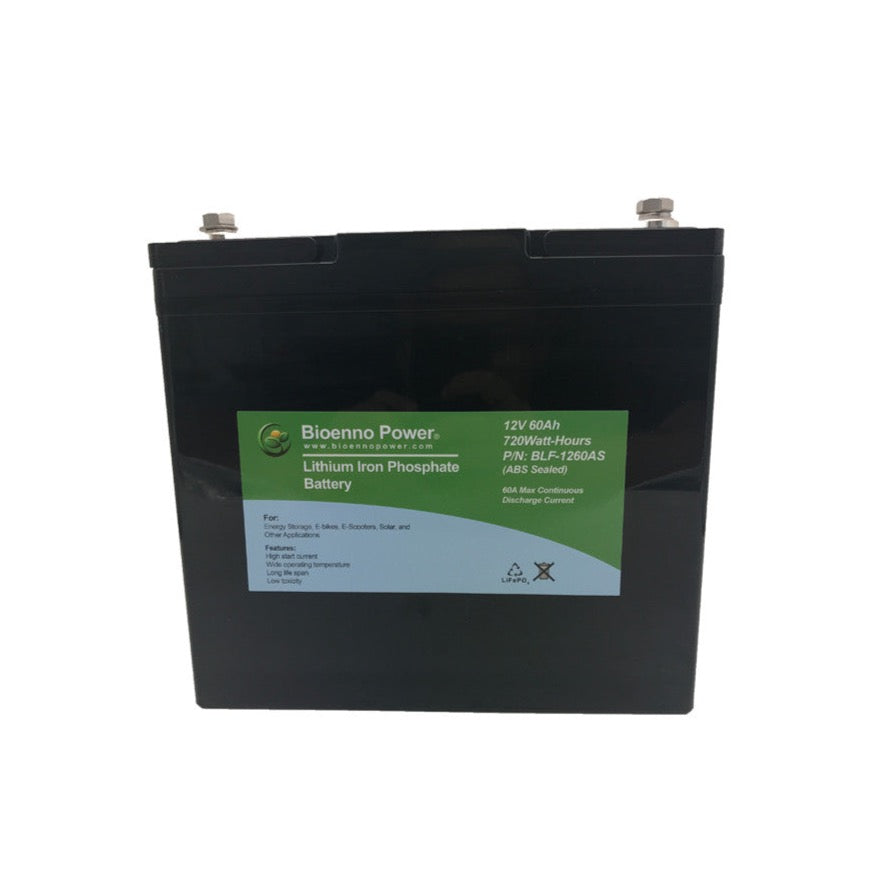
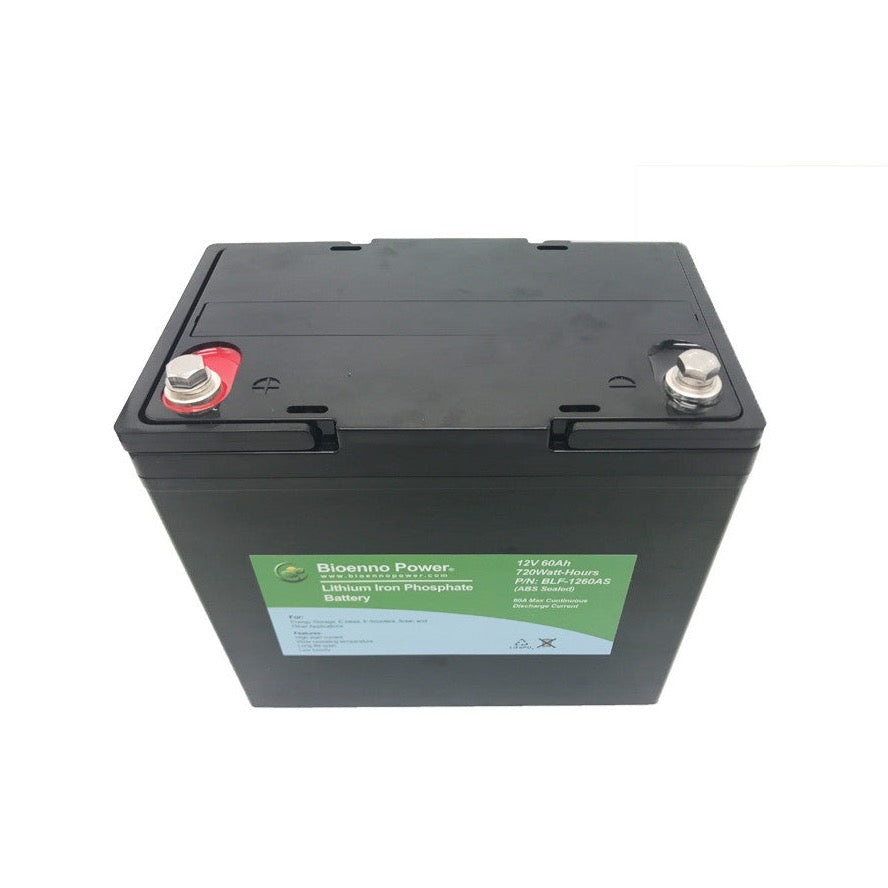
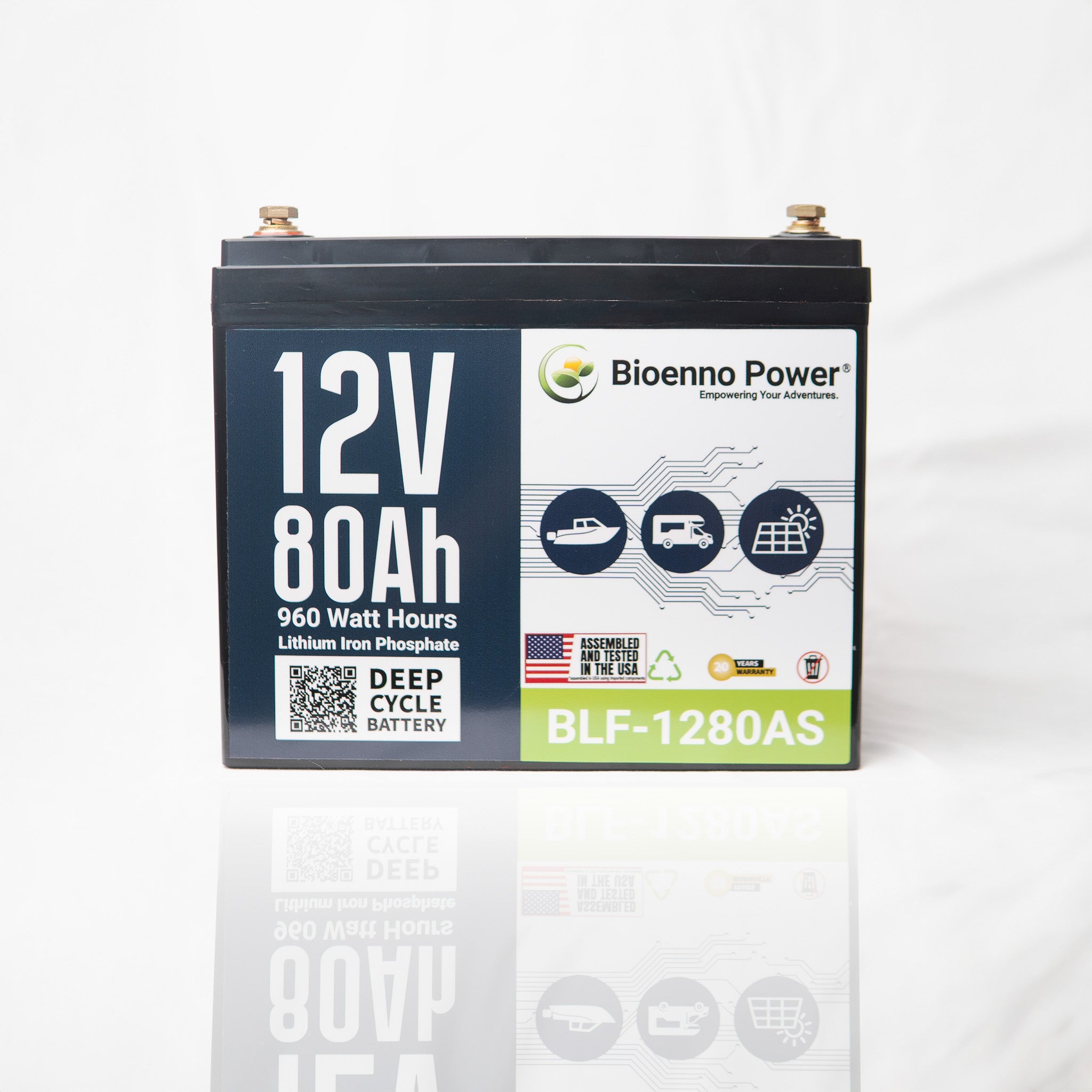
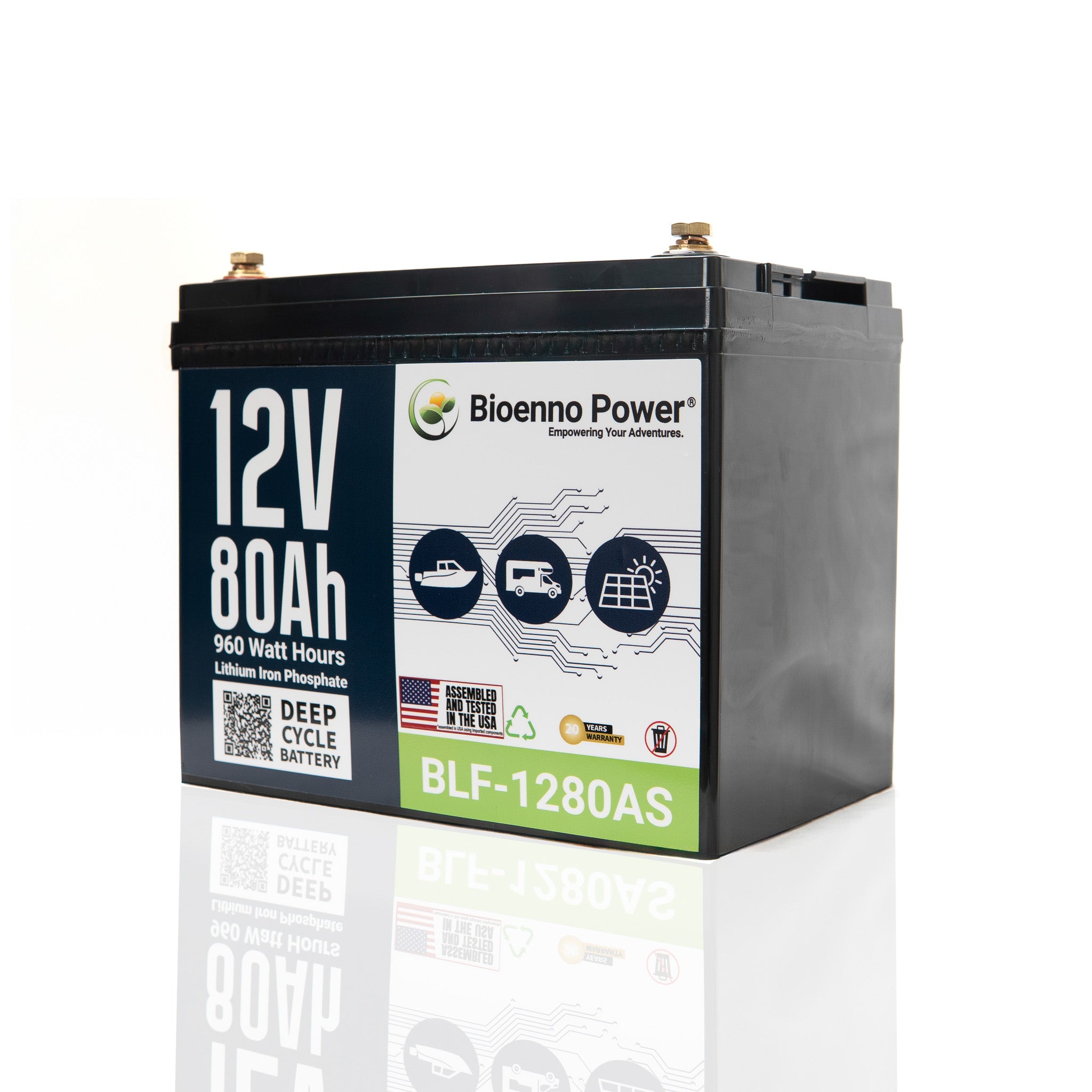
If your testing reveals it's time for an upgrade, explore Bioenno Power's complete range of RV battery solutions. Our LiFePO4 batteries are specifically designed for the demands of RV life, delivering reliable power, exceptional longevity, and the freedom to camp anywhere. Contact our team to discuss your specific power needs and find the perfect battery configuration for your rig. Spring is calling, and your RV should be ready to answer.