Your portable fridge stops mid-trip, the battery monitor still shows plenty of charge, and the food starts warming. It feels like a capacity problem, but it usually is not one. A portable fridge battery cutoff is most often a voltage problem at the fridge, not a shortage of stored energy. This guide walks through how to tell the difference before you spend money on a bigger battery.
Why a Portable Fridge Battery Cutoff Happens
Stored Energy Versus Voltage at the Fridge
Amp-hours and watt-hours tell you how much energy a battery holds. They do not tell you what voltage the fridge sees while its compressor is running. A battery can hold plenty of energy and still deliver too little voltage at the fridge input for a moment, and that moment is enough to trigger a shutdown.
Think of it like a water tank with a narrow hose. The tank may be nearly full, but the hose limits what reaches the tap.
What Low-Voltage Protection Actually Measures
Most 12V portable fridges have a built-in low-voltage protection that switches the compressor off when input voltage falls below a set threshold. Many of these systems react to the voltage while the compressor is drawing current, not the resting voltage you see at idle. A battery can read a healthy 12.8V at rest and still dip enough under load to trip the fridge's protection. Thresholds and logic vary by brand and model, so your own manual is the final word.
Where the Battery's Own Protection Fits
A lithium iron phosphate (LiFePO4) battery also has its own battery management system (BMS) that protects the cells. It can limit or stop discharge if current or voltage conditions fall outside its design range. This is a separate safeguard from the fridge's protection, which is why two different devices can each be the reason your fridge shuts off. Never try to bypass either one. Both exist to prevent damage and unsafe conditions.
How to Diagnose a Portable Fridge That Shuts Off
Note When the Cutoff Happens
Patterns point to causes. A cutoff right as the compressor starts suggests a voltage dip under load. A cutoff after several hours may point to the battery's state of charge or a protection setting. A random cutoff when other loads switch on suggests shared wiring or a weak connection.
Write down the time, what else was running, the fridge's temperature setting, and any display message. These notes are exactly what a support team needs.
Check the Manual and Error Codes
Your fridge manual lists its cutoff and restart voltages, protection levels, and what each error code means. Many portable fridges let you pick a protection level, and some are designed for a starter battery rather than a deep cycle battery. Confirm that the setting matches your setup before changing anything else, and change it only in the ways the manual allows.
Follow a Safe Diagnostic Order
Work through the checks in this order, and stop if anything looks unsafe.
- Read the error code or display message and match it to the manual.
- Confirm the protection level is appropriate for your battery type.
- Inspect the plug, socket, and fuse holder for looseness, corrosion, or discoloration.
- Look for extensions, splitters, or adapters between the battery and the fridge.
- Compare the cable length and gauge to the fridge manufacturer's recommendation.
- Contact support with your notes if the problem continues.

Voltage Drop in Fridge Wiring and Connections
How Small Losses Add Up
Voltage drop is the gradual loss of voltage as current travels through wiring and connectors. Every wire, connector, and fuse holder adds some resistance, and resistance causes voltage to fall along the cable while current flows. Voltage decreases along the length of a cable, which lowers the voltage available at the fridge's plug, so avoid relying on splitters, pigtails, or extensions. Voltage drop in fridge wiring grows with cable length, thin wire, and poor connections. A fridge pulling more current at compressor startup feels it the most.
Connections, Extensions, and Adapters
The weakest point is often a cigarette-style socket or a quick-disconnect plug. These can loosen with road vibration and heat up under load. Direct, correctly sized wiring with quality connectors usually performs better than a chain of adapters.
If you plan to change wiring, follow the fridge and cable manufacturers' guidance, or hire a qualified installer. Do not raise fuse ratings to compensate for a connection problem. A fuse protects the wire, so a larger one can turn a nuisance into a hazard.
Matching a 12V Fridge to LiFePO4 Battery Specs
Voltage Range and Current Limits
Getting this right really comes down to LiFePO4 battery fridge compatibility: does your battery's discharge profile match what the fridge needs under load? Before buying anything, compare three documented numbers: the fridge's operating voltage range and cutoff settings, the fridge's running and startup current, and the battery's continuous and peak discharge limits. A larger battery capacity does not fix a cutoff caused by voltage drop or a current limit. It only helps when the real problem is energy storage.
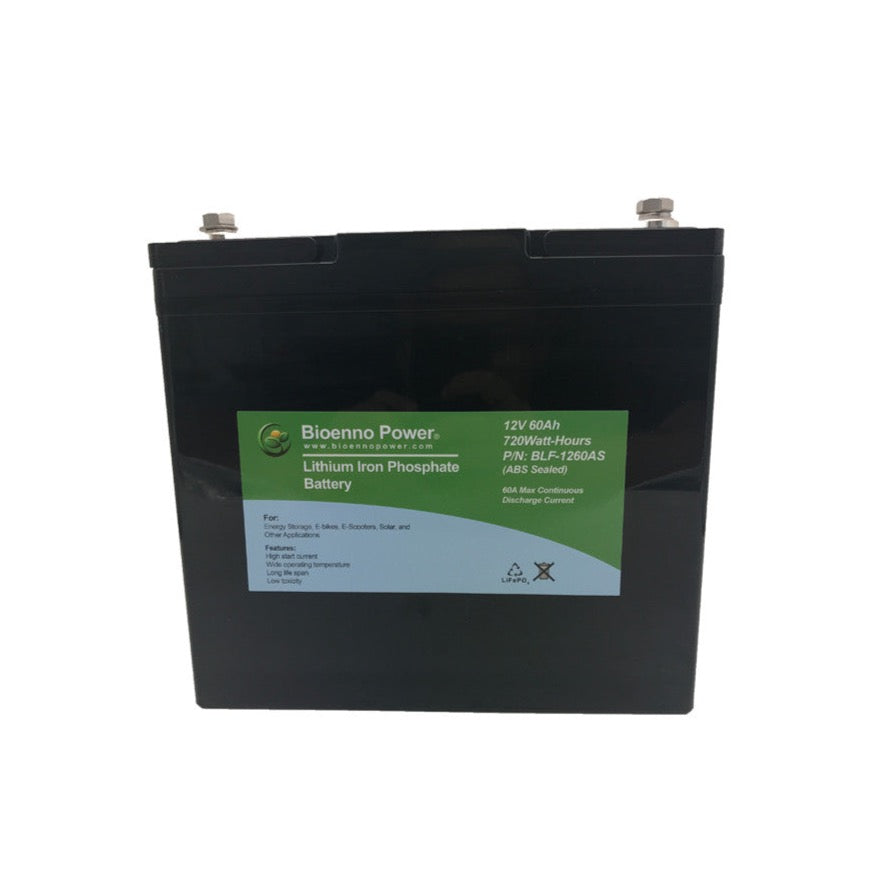
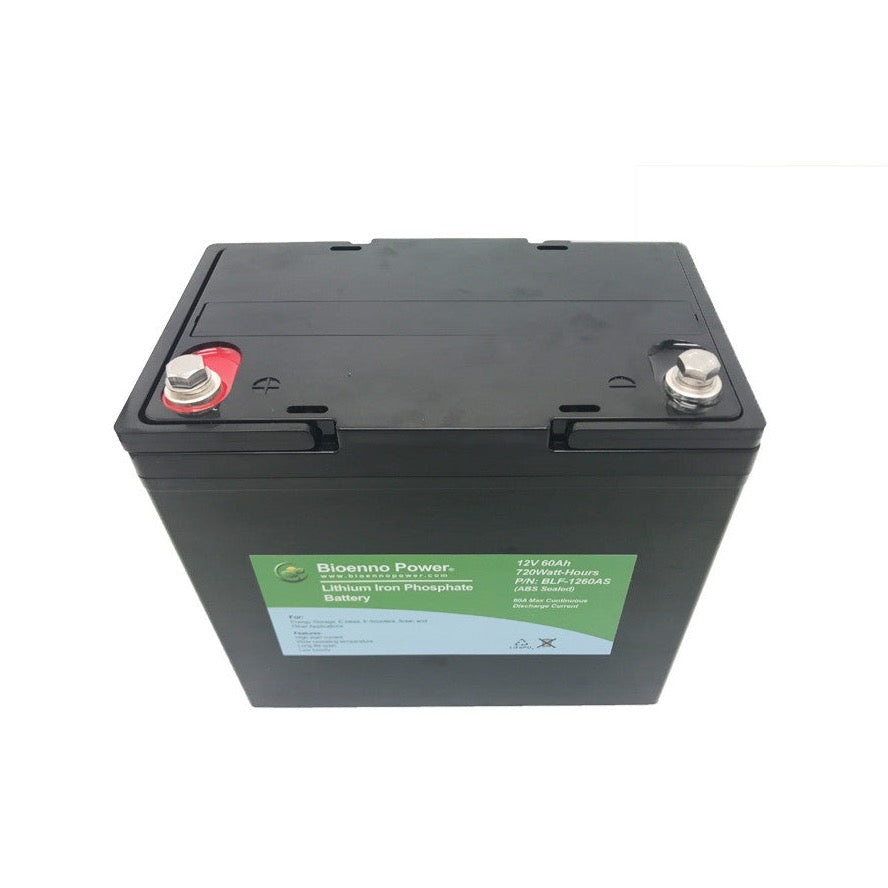
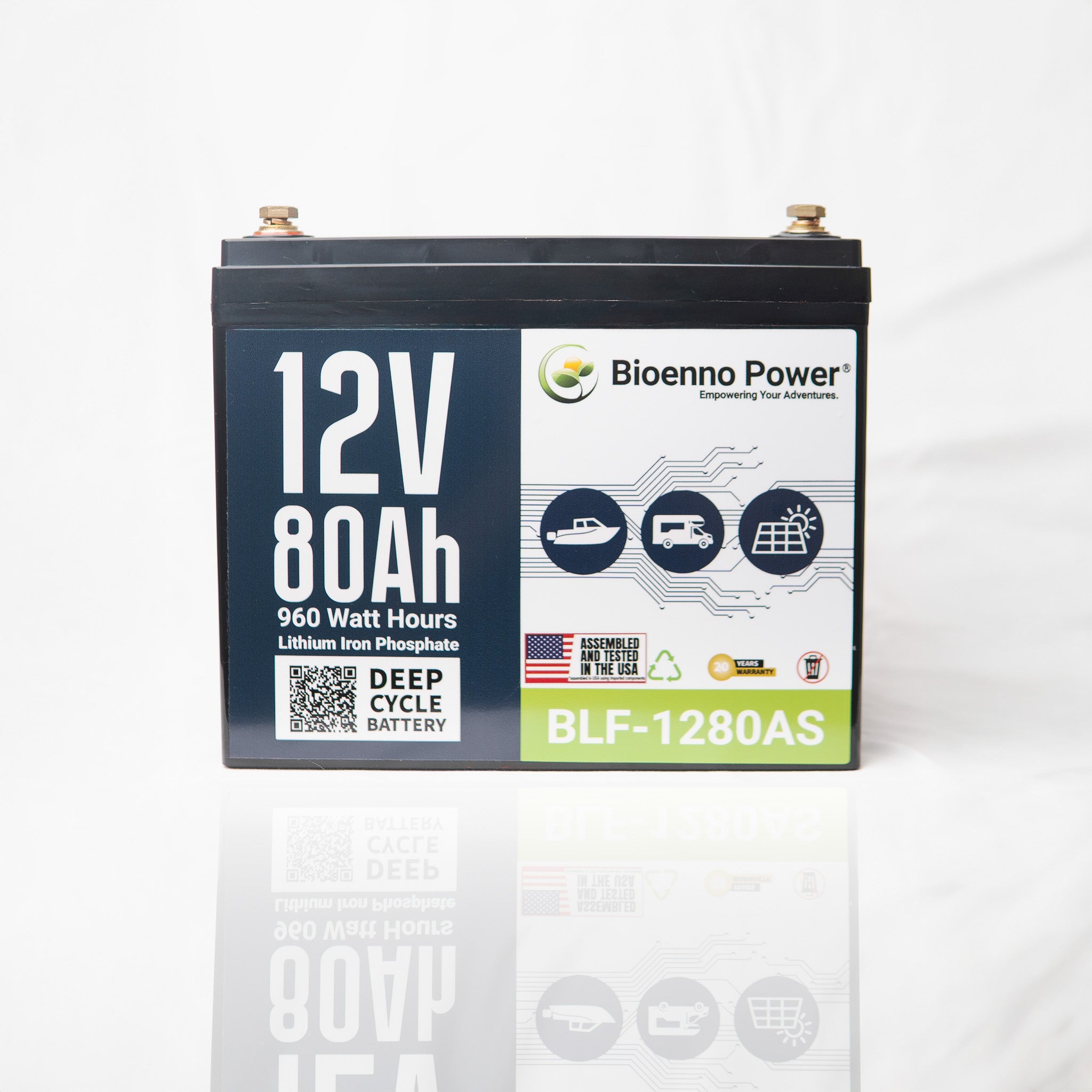
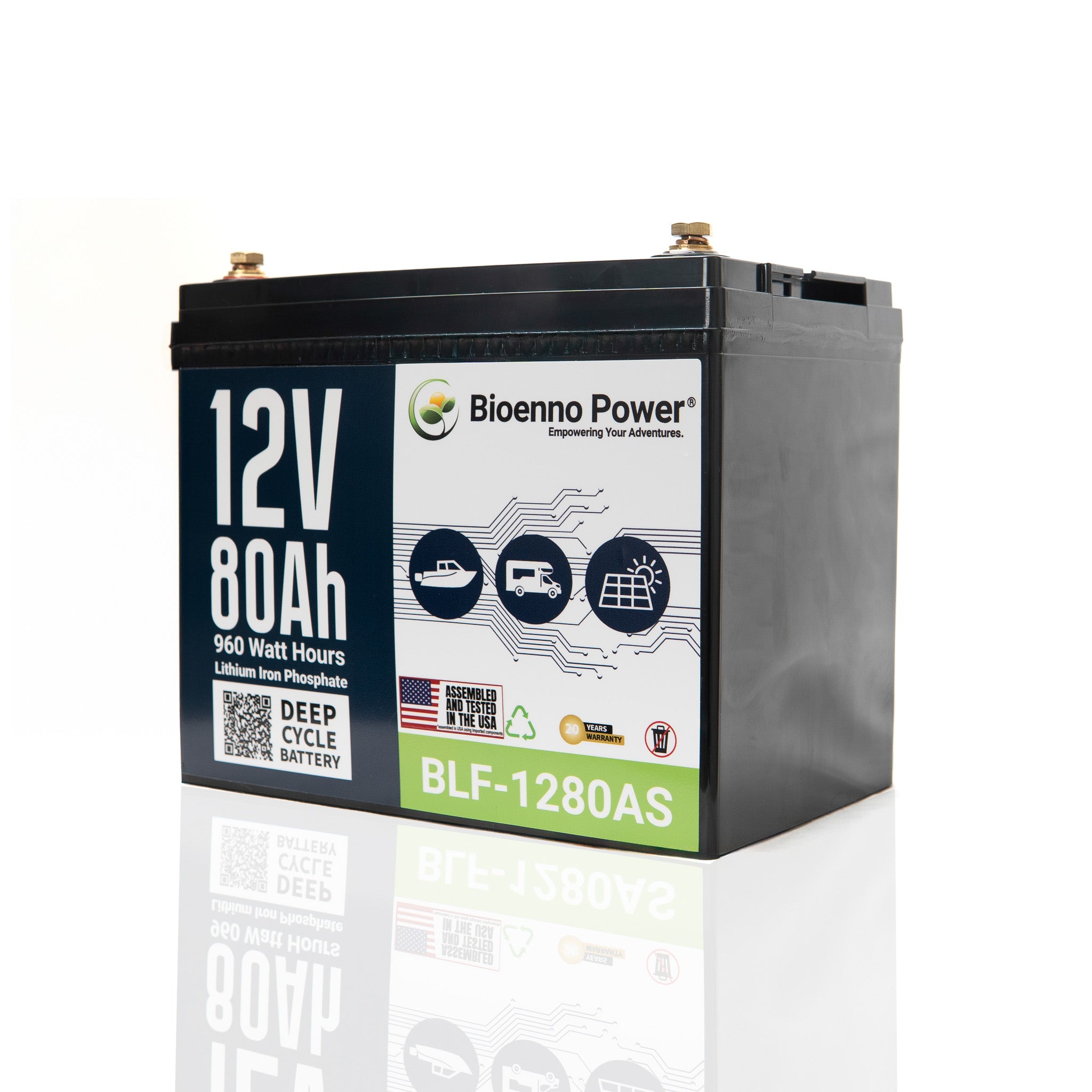
Bioenno Power publishes specifications for its RV and overlanding batteries, so you can check discharge ratings against your fridge's documented needs. Compatible accessories are listed separately if your setup needs different connection hardware.
Startup Current Varies by Appliance
Some compressors draw noticeably more current when they start, and others are gentler. Do not assume your fridge has a large surge. Read its documentation instead of guessing, because the answer shapes both wiring and battery choice.
A Hypothetical Troubleshooting Scenario
This is a hypothetical example, not a test result. A traveler's fridge shuts off shortly after the compressor starts, while the battery monitor still shows a high state of charge. They check the manual, find the protection level suits a starter battery, and notice a long extension cord between the battery and the fridge. After they shorten the run, use correctly sized wiring, and set the protection level as the manual allows, the fridge may stay on. The point is the order of the checks, not a guaranteed outcome. Different fridges and setups will produce different results.
Understanding what your monitor is reporting also helps, and this background guide explains how to read a LiFePO4 battery monitor.

When to Get Help and What to Do Next
Information That Speeds Up Support
If the cutoff continues after the basic checks, send your details to Bioenno support before you replace equipment. Our Santa Ana, California-based support team can help match your fridge's documented requirements to a battery and connection setup. Include:
- Fridge brand, model, and protection setting
- Battery model and how it is connected
- Cable length, gauge, and any adapters or extensions
- Any error code or display message
- When the cutoff happens and what else was running
Signs You Should Stop Using the Setup
Stop using the equipment and get qualified help if you notice damaged wiring, abnormal heat, a swollen battery, or a burning smell. Do not open battery packs or defeat any protection feature. This article is general guidance and cannot guarantee safe food temperatures, so check perishable food with a thermometer and follow your fridge manufacturer's instructions.
When you are ready to choose equipment, shop Bioenno Power batteries and compatible accessories that match your fridge's documented voltage and current requirements, not only its estimated daily energy use. Not sure what power source works best for your setup? Contact our support team and we can help make recommendations.