The Minn Kota Quest trolling motor raised the bar for what a battery-powered motor can do on the water. More thrust, smarter GPS anchoring, and a power system that genuinely rewards you for putting serious batteries behind it. But that last part is where a lot of anglers get stuck.
Is your motor a 24V or 36V system? Does that change which batteries you need, how many you carry, or how you charge them? The short answer is yes to all three. The longer answer is what this guide covers.
Whether you are outfitting a bass boat for tournament days or building a jon boat setup for weekend fishing trips, this breakdown will help you match your Minn Kota Quest to the right LiFePO4 battery bank from the start, without the guesswork.
What the Minn Kota Quest Series Actually Demands
The Quest is not a budget motor, and it does not behave like one. It is engineered to hold GPS positioning, run at variable speeds throughout a long day, and deliver consistent thrust on demand. All of that takes steady, reliable power, which is the first reason lithium iron phosphate (LiFePO4) batteries have become the preferred choice for Quest users.
Thrust Ratings and Their Voltage Requirements
Minn Kota Quest motors are available in two primary configurations, and each one has a fixed voltage requirement:
- 80 lb thrust Quest models require a 24V system (two 12V batteries wired in series)
- 115 lb thrust Quest models require a 36V system (three 12V batteries wired in series)
This is not a preference or a suggestion. It is a specification set by the motor itself. Running either model on the wrong voltage will either fail to power it at all or cause premature wear on the motor electronics. Before you purchase a single battery, confirm your specific Quest model's voltage requirement in the product documentation or on the Minn Kota label.
Why Voltage Matters More Than Amp-Hours Alone
Most anglers shopping for batteries immediately focus on amp-hours (Ah), and capacity does matter. But voltage is the foundation the entire system is built on. Your batteries must be wired to produce the correct system voltage before amp-hour ratings become relevant.
Two 12V batteries wired in series produce 24V. Three 12V batteries wired in series produce 36V. Getting the wiring configuration wrong is a mistake the battery cannot compensate for, no matter how many amp-hours it carries. Nail the voltage first, then size capacity around how you fish.

24V Battery Banks for the Minn Kota Quest 80 lb
The 80 lb Quest is a high-capability motor for most freshwater bass fishing applications. It handles wind, current, and sustained Spot-Lock positioning well, and it rewards a properly matched battery bank.
Which Quest Models Run on 24V
The 80 lb thrust Quest models are 24V systems. If you are running a mid-size bass boat, center-console, or a high-end fishing kayak with a bow-mount setup, this is most likely your configuration.
Sizing Your 24V LiFePO4 Bank for a Full Day on the Water
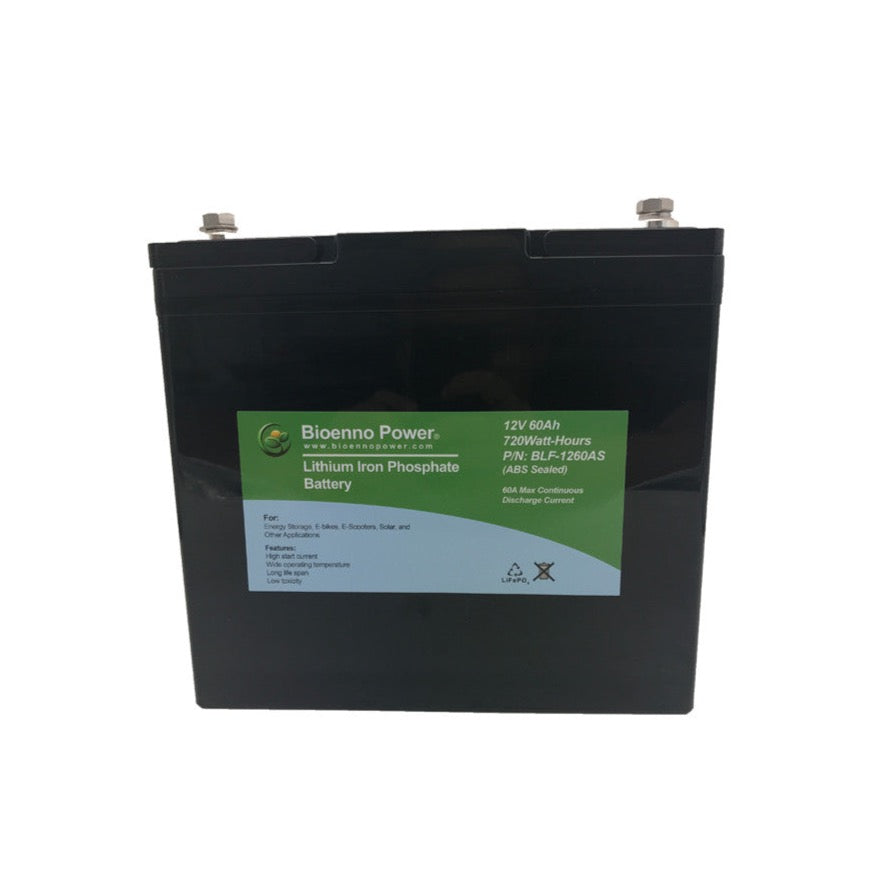
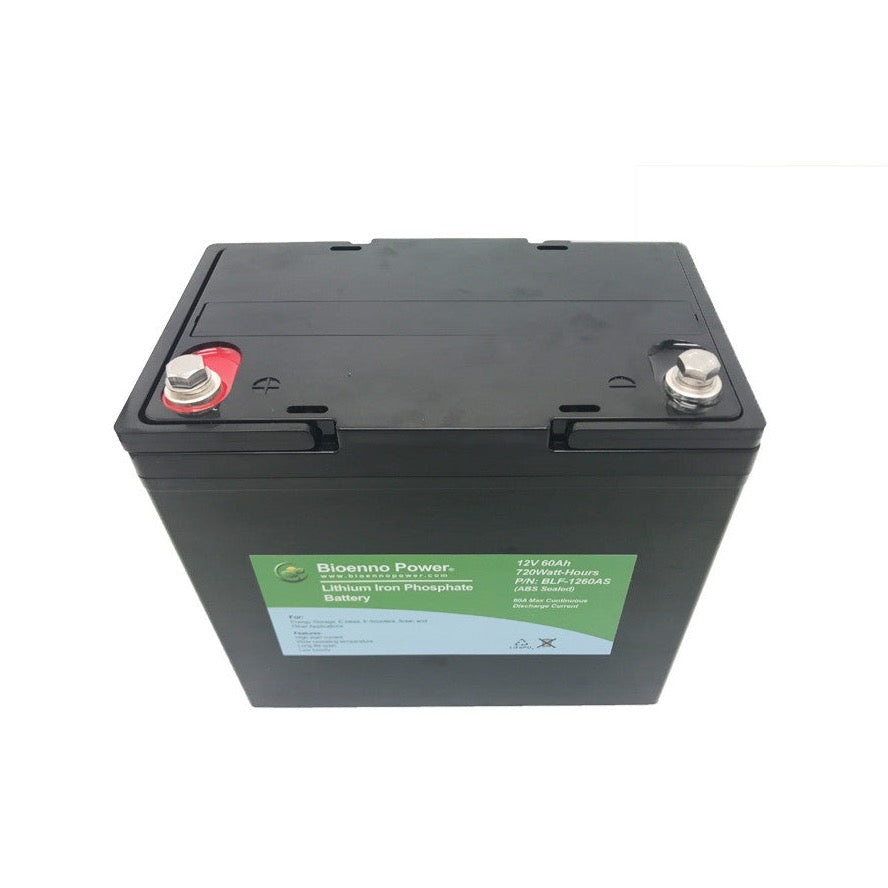
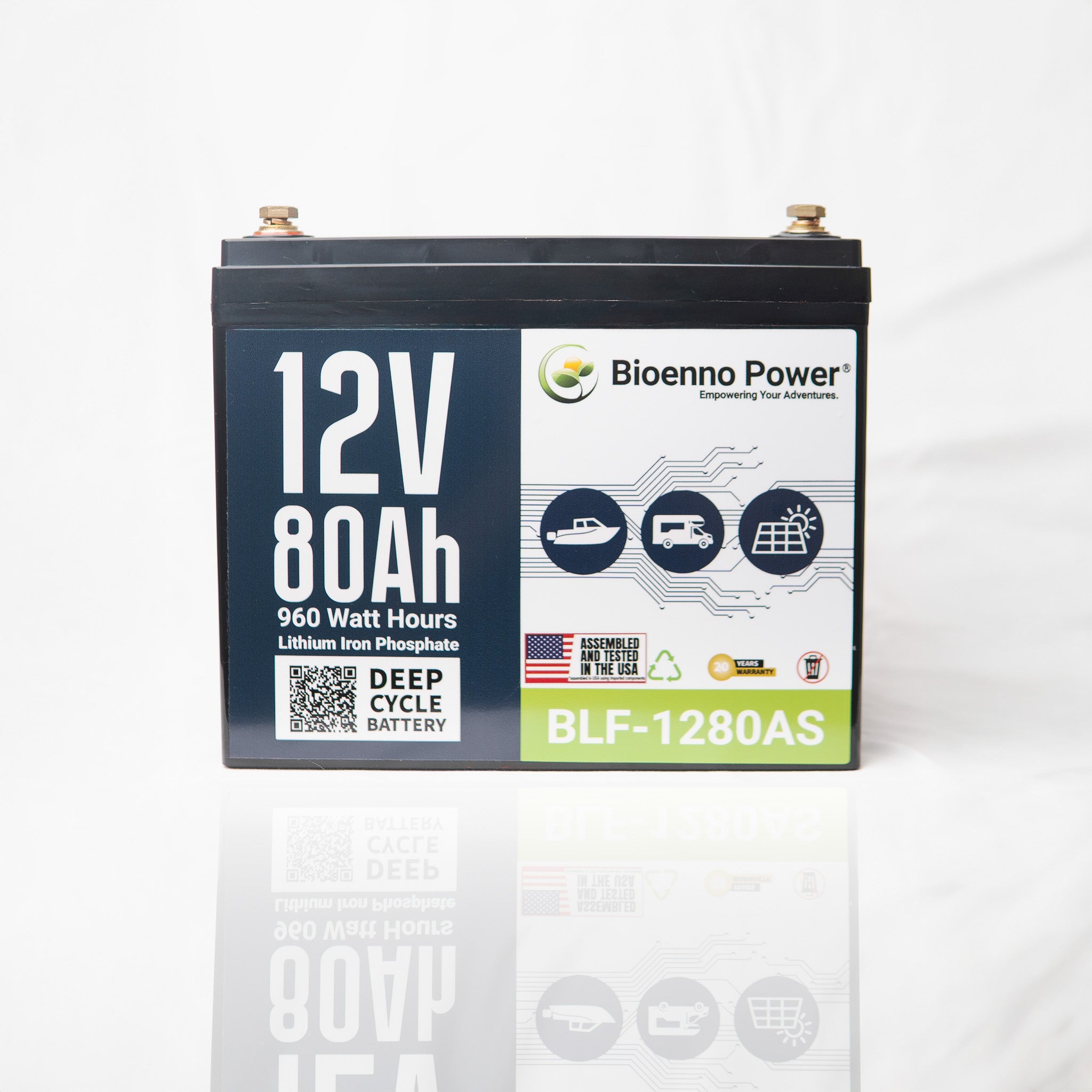
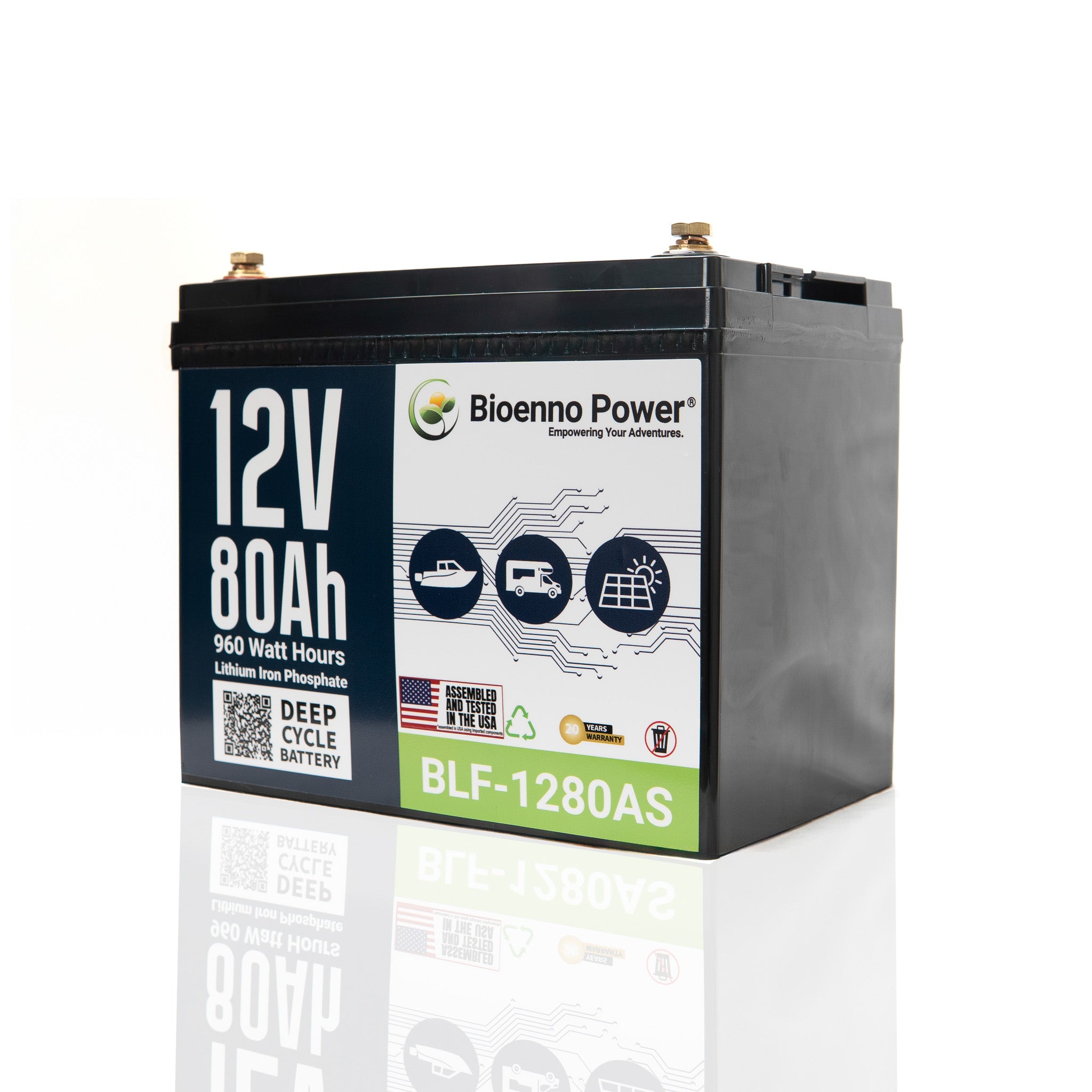
For a standard 8-10 hour fishing day, most 80 lb Quest users find that two 12V 50Ah LiFePO4 batteries wired in series provides solid coverage at moderate speeds with regular GPS anchoring. To put that in perspective: at moderate speeds, an 80 lb Quest typically draws around 20–30A from the bank, meaning a 50Ah bank delivers roughly 1.5–2.5 hours of continuous runtime at that draw. In real-world use with Spot-Lock cycling and varied speeds, a 50Ah bank handles a half-day trip comfortably, while stepping up to 100Ah covers a full day with reserve. Anglers who spend more time running at higher speeds, fighting current, or fishing open-water tournaments where the motor runs nearly continuously should step up to two 12V 80Ah or 100Ah batteries for genuine all-day confidence.
A practical sizing rule that applies to any LiFePO4 bank: plan for usable capacity with a buffer, and never plan on discharging to 100%. LiFePO4 batteries can be safely discharged through about 80% of their capacity before you should back off, but building in a buffer means your motor performance stays consistent through the final hour, not just the first. The weight savings over equivalent lead-acid banks are significant at any capacity level, which has a real effect on trim, boat handling, and fuel efficiency over a full season.
You can browse Bioenno's full marine battery lineup, which includes options specifically tagged for bass boats, trolling motors, and kayak motors, to find the right capacity for your 24V setup.
36V Battery Banks for the Minn Kota Quest 115 lb
The 115 lb Quest is built for larger boats and serious tournament anglers who need maximum thrust in challenging conditions. It is also more power-hungry, which makes the battery bank decision more consequential. A bank that is barely adequate will show its limits on a long tournament day.
Which Quest Models Need 36V
The 115 lb thrust Quest requires a 36V system, meaning three 12V batteries wired in series. This is the configuration you will see on most high-end bass boats and large fishing rigs where holding position in heavy wind or current is not optional.
Sizing Your 36V LiFePO4 Bank for Tournament Days
Tournament fishing means longer days, higher motor usage, and very little margin for error if a bank gives out early. For the 115 lb Quest on a full tournament day, three 12V 50Ah LiFePO4 batteries is a workable starting point for anglers who manage their speed carefully. Most tournament anglers who run the motor hard or deal with sustained wind should look at three 12V 80Ah or 100Ah batteries to fish confidently from first light to weigh-in.

LiFePO4 vs Lead-Acid for Minn Kota Quest Motors
There is still a meaningful segment of anglers running lead-acid batteries behind their Quest motors, especially in rigs that were built before LiFePO4 became widely available. The performance difference is real, and it is worth understanding before your next battery purchase.
Voltage Sag and Why It Costs You Thrust
Lead-acid batteries sag in voltage as they discharge. In practice, that means your trolling motor gradually loses thrust as the day goes on. By the time you are down 50-60% of your lead-acid bank, the Quest is not performing the same way it was at launch. The GPS anchoring works harder, the motor runs hotter, and you notice it in how the boat handles a crosswind.
LiFePO4 batteries hold voltage essentially flat through most of their discharge curve. The Quest gets consistent input voltage from the first hour to the last. That translates directly to consistent thrust, steady Spot-Lock performance, and a motor that responds the same way at 7 PM as it did at 7 AM. The Quest is engineered to take advantage of stable input, and LiFePO4 is what delivers it.
Weight Savings and What They Mean for Boat Balance
Three 12V lead-acid batteries in the 80-100Ah range typically weigh somewhere between 150 and 180 lbs combined. Comparable LiFePO4 batteries at the same capacity generally come in at 60-90 lbs total. That is a 60-90 lb reduction in bow weight, which changes your boat's trim, reduces the load on your trailer, and can meaningfully affect fuel consumption across a full season. For smaller boats and kayak setups where every pound affects handling, the difference is even more pronounced.
Choosing the Right Charger for Your Quest Battery Bank
This is the step where anglers most often make an expensive oversight. The batteries and the charger are one system, and they need to be treated as such.
Why the Charger Profile Matters with LiFePO4
LiFePO4 batteries require a charger with a dedicated LiFePO4 charging profile. Standard lead-acid, AGM, or gel chargers will not charge them correctly. In some cases, using the wrong charger causes premature degradation or triggers the battery management system (BMS) protection circuit, leaving you with a battery that won't accept a charge at the worst possible moment. This is not a minor compatibility issue. It is one of the most common causes of shortened LiFePO4 battery life in marine applications, and it is entirely avoidable by matching the charger to the battery chemistry from the start.
Multi-Bank vs System Chargers for Series-Wired Banks
For 24V or 36V series-wired LiFePO4 banks, you have two main charger approaches:
- A multi-bank charger that charges each 12V battery independently, maintaining balance across the entire bank simultaneously
- A 24V or 36V system charger that charges the bank as a single unit
Multi-bank chargers are generally the preferred option for LiFePO4 series banks because they actively maintain charge balance across every battery in the bank. Over time, imbalanced banks lose performance. Look for a charger that explicitly lists LiFePO4 or lithium iron phosphate compatibility and is sized appropriately for your bank's amp-hour rating to keep charge times reasonable. Bioenno's support team can confirm the right charger match for your specific battery and motor configuration, and you can browse the full charger lineup including dedicated 24V and 36V LiFePO4 options.
How Bioenno Power Batteries Are Built for Minn Kota Applications
Bioenno Power is assembled and supported in Santa Ana, California, and their batteries have been tested across trolling motor, marine electronics, and off-grid applications for over a decade. That track record is built from real-world field use, including configurations specifically designed around Minn Kota Quest systems.
Field-Tested Configurations for Quest Motors
Bioenno staff have specifically tested and confirmed battery configurations for the Minn Kota Quest 24V and 36V systems, including the 80 lb and 115 lb thrust models. The sizing and product recommendations available through their support team are not based on generic battery specs applied to a motor category. They are based on actual on-the-water results with the specific motor series that most Quest buyers are running. Bioenno also published a dedicated application guide for Quest 24V and 36V configurations.
Real-world use cases like Greg Blanchard's fully rigged kayak motor build show how Bioenno LiFePO4 banks hold up across demanding marine applications.
For a broader look at how Bioenno batteries are used across marine, RV, solar, and portable power applications, the Bioenno blog covers real-world use cases, setup guides, and product updates that go beyond what you will find in a typical product listing.
Getting the Right Setup for Your Specific Boat
Every fishing setup is different. Hull size, motor placement, accessory load (fish finder, livewell, lights, electronics), and how you typically fish all affect what bank size will serve you best through a full day. The difference between two 50Ah batteries and two 100Ah batteries in a 24V system is not just capacity; it is whether you finish a tournament or an all-day guide trip with power to spare or power anxiety.
Bioenno's USA-based support team can help you work through the exact numbers for your boat and motor before you order. That kind of direct access to people who have actually run these batteries on the water is part of what separates them from generic brands sold through online marketplaces. When you are ready to put the right bank together for your Quest setup, start with the full Bioenno product and accessory catalog.