Picking a fish finder battery should not take a degree in electrical engineering. Kayak or small boat, the question comes down to the same thing. How many amp hours do you need to see the bottom from first light until you head home? This guide walks through a simple method, built on your spec sheet, for matching a small 12V LiFePO4 battery to your display. It also shows worked runtime examples and covers the fusing basics that keep the setup safe.
How to Size a Fish Finder Battery in Three Steps
To size a fish finder battery, find the unit's power draw in watts on the manufacturer's spec sheet, divide by the battery voltage to get amps, then multiply by the hours you want to fish. Choose a battery whose amp-hour rating covers that total with a buffer for cold mornings, add-on accessories, and extra time on the water. That really is the whole method, whether you are shopping for a kayak fish finder battery or a bigger boat setup.
- Find the watts. Look up your fish finder's power draw on the manufacturer's spec sheet. If only amps are listed, note the voltage those amps are rated at.
- Convert to amps. Divide watts by the battery voltage. On a 12V system, that means watts divided by 12.
- Multiply by hours and add a buffer. Multiply the amps by the hours you want to fish, then add extra capacity for cold weather, accessories like a livewell light or a second display, and a day that runs longer than planned.
One caution before you start. Use the manufacturer's number, not a forum guess or a rule of thumb, because wattage varies a lot between a compact kayak display and a large multi-sonar unit and the spec sheet is the only reliable source. Once you know your number, browse the 12V lithium battery options to see which capacities line up with your total.
Runtime Examples for Kayaks and Small Boats
Every fish finder maker publishes its own wattage figures. So the examples below use round, hypothetical numbers purely to show the arithmetic; they are not the rating of any specific unit. Swap in the watts from your own spec sheet. The math works the same way.
Compact Kayak Display on a Small Battery
Say a small display draws 12 watts. On a 12V battery, that is 12 divided by 12, or 1 amp. A 6Ah battery would cover about 6 hours on paper, and a 9Ah battery about 9 hours. Best case, though. Real runtime shifts with screen brightness, sonar settings, and temperature, so treat the result as a ceiling and plan for less.
Fishing a full day? Build in a buffer. If you want 6 hours on the water, a battery rated well above 6Ah leaves room for a cold start or that extra hour of casting at dusk.
Larger Boat Display With a Bigger Screen
Now picture a larger screen that draws 36 watts. Divide by 12 and you get 3 amps. In this simple calculation, a 12Ah battery would give roughly 4 hours, and a 15Ah battery about 5. Quite a jump from the first example, and a useful reminder that screen size and sonar features drive the answer more than the boat does.
Numbers landing near the edge of a size? Step up. 12Ah batteries are worth a look for longer days, especially once a second device shares the same circuit. Whatever you choose, write your own arithmetic down before you buy (watts, divided by volts, times hours, plus a buffer).

Why Your Electronics Deserve Their Own Battery
Keep fish finder electronics on their own battery. A trolling motor pulls heavy, fluctuating current that can drag a shared battery's voltage down and shorten your day. With a separate small battery, the display gets a steady supply, and if the motor battery runs low you can still see the water and navigate home.
The split makes sizing easier, too. Your electronics battery only has to cover the display and any small accessories, so the calculation above stays simple. Motor power is a different problem with a different answer. Sizing for a larger motor? Our posts on Best Lithium Battery for Trolling Motors and Series vs. Parallel are the places to go next.
Does a dedicated battery guarantee perfect power all day? No. Cold weather, a bright screen, and extra accessories all change the result. What it does is remove one common source of dropouts, which is a good trade for a small, light battery.
Basic Fusing and Wiring for a Small LiFePO4 Setup
A small battery still deserves proper protection. On a boat or kayak, where spray, vibration, and tight spaces are part of the job, fusing is what keeps a wiring fault from becoming a bigger problem. Use the checklist below, then confirm details against your fish finder and battery documentation.
- Place the fuse close to the battery's positive terminal.
- Size the fuse to your device's spec sheet and the wire gauge you are using.
- Make every connection secure, then recheck after the first few trips.
- Protect the battery, fuse, and connections from spray and standing water.
- Add a battery disconnect switch so you can cut power quickly.
Where the Fuse Goes
The fuse belongs on the positive lead, as near to the battery as practical. Why? A fuse protects the wire downstream of it. Shorter unprotected run, less exposure.
Choosing Wire and Fuse Ratings From the Spec Sheet
You won't find specific fuse amperages in this article, because the right value depends on your device and your wire. Read the fish finder's documentation, match the fuse and wire gauge to it, and check the battery's own documentation too. Unsure? Ask before you wire it; the Bioenno support team can answer sizing and fusing questions.
Adding a Disconnect Switch
Think of a disconnect switch as cheap insurance. It lets you isolate the battery when you are working on the setup, storing the boat, or trailering home. Mount it within reach. Keep it dry.

Choosing the Right Small Bioenno Battery
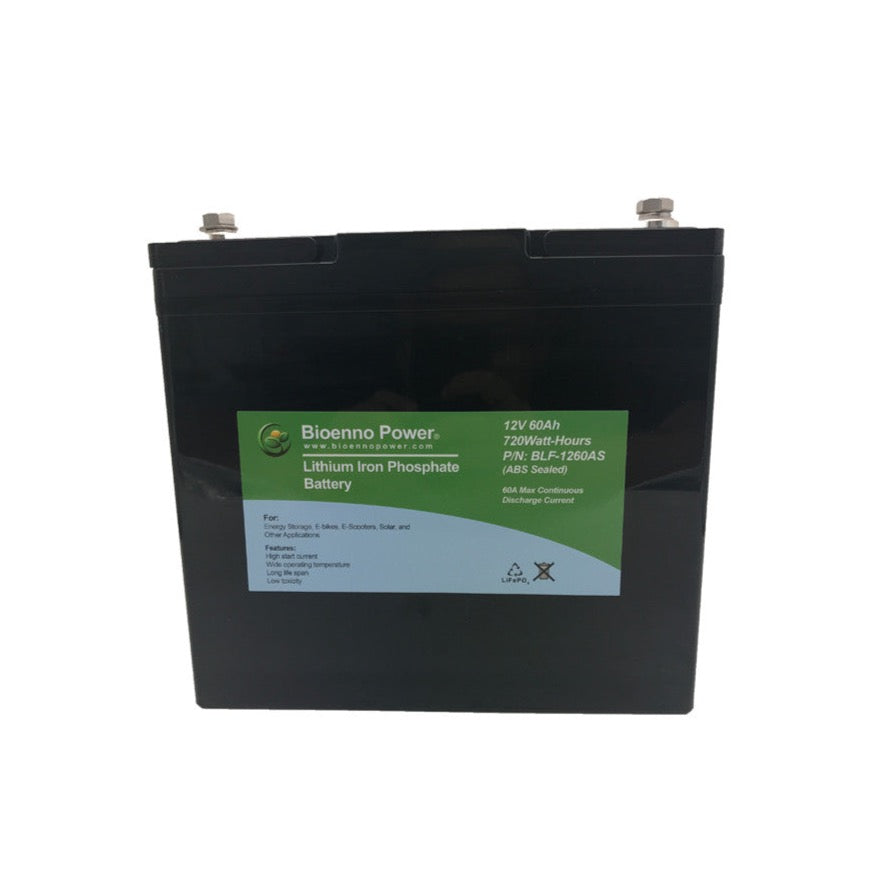
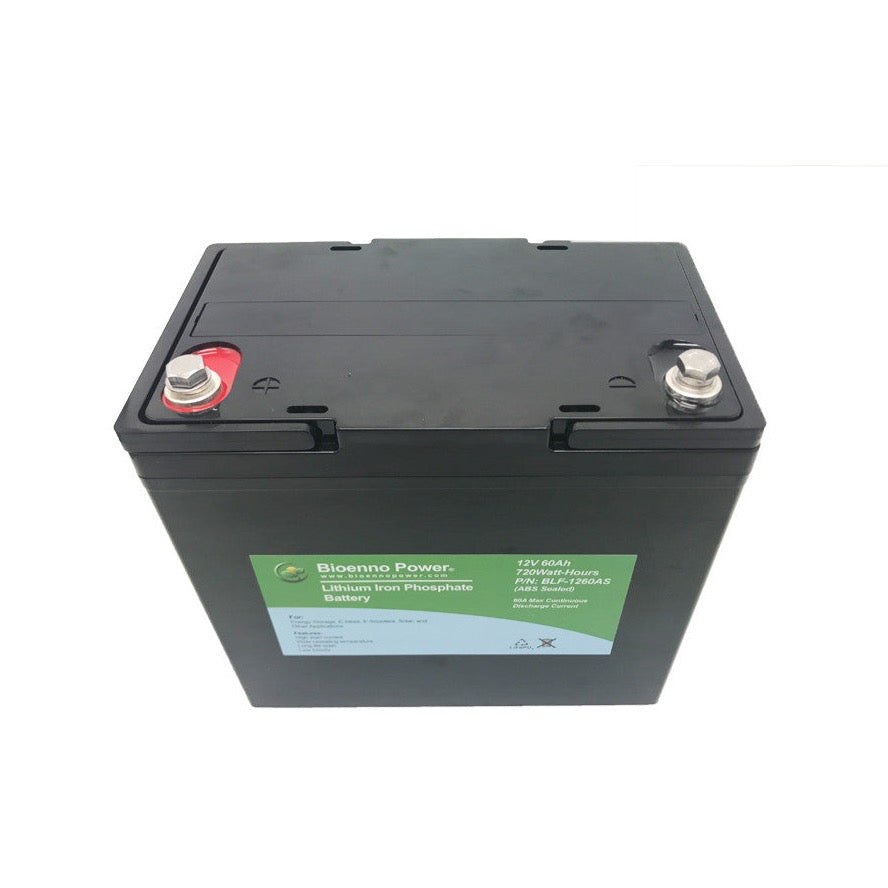
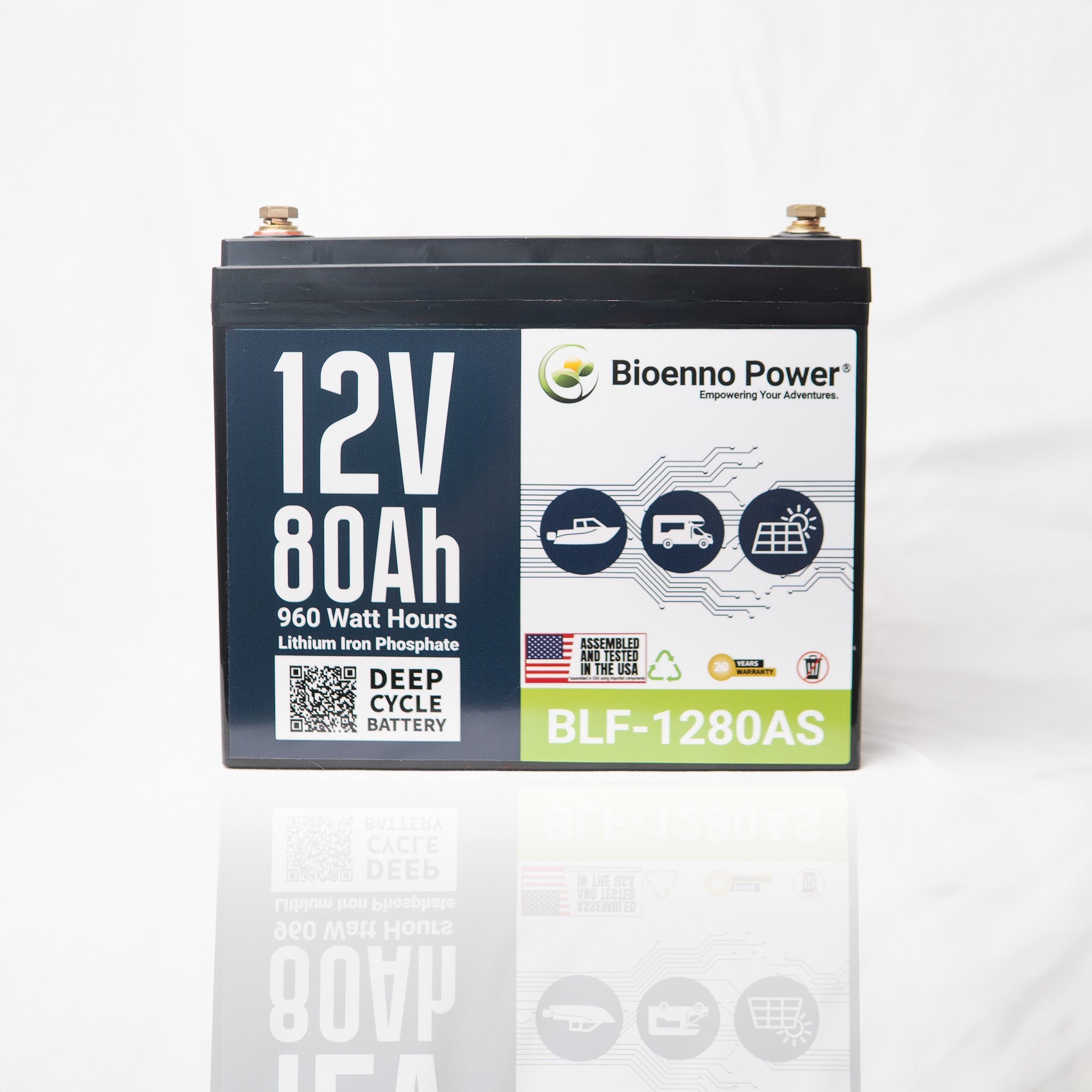
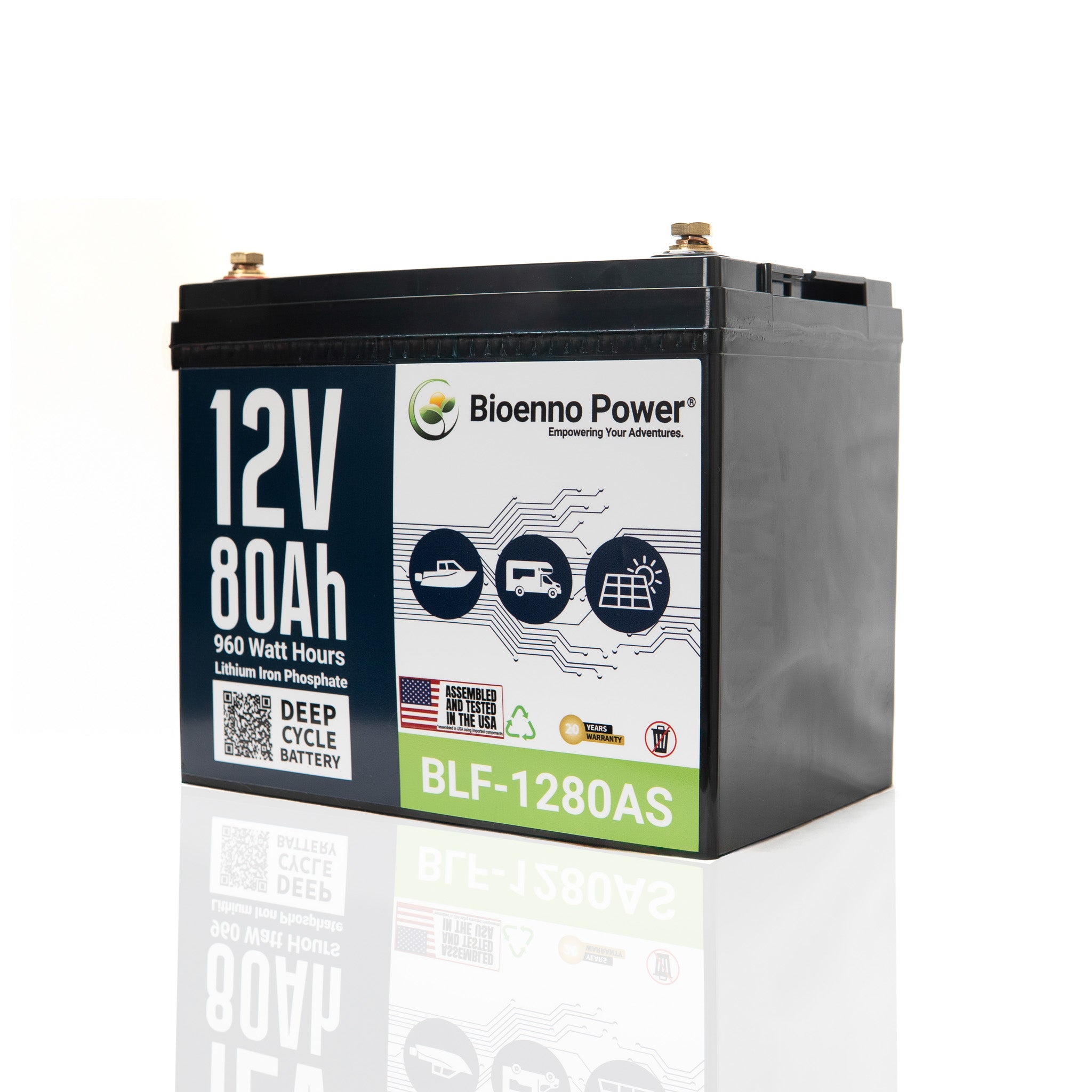
Kayaks punish extra weight and wasted space. Every pound you carry gets paddled, loaded, and lifted back onto a cart, which is why a compact 12V LiFePO4 battery makes sense for a display that only draws a few amps. Bioenno offers 12V LiFePO4 batteries in 3Ah, 4.5Ah, 6Ah, 9Ah, 12Ah, and 15Ah sizes, so you can match capacity to your calculation instead of overbuying.
These batteries are assembled in the USA and backed by a replacement warranty. If your math points to a short outing with a small display, small-capacity 3Ah batteries may be all you need. Longer days or a bigger screen? Move up the range. (Check current availability and pricing on the product pages, since both change.)
Charging and Planning Ahead for Fishing Season
Winter is the right time to get this sorted. Trip planning is already underway, and spring fishing shows give you a good excuse to look over your gear. Work out your numbers now and order what you need. No scrambling the night before the first launch.
Charging a LiFePO4 Battery the Right Way
Use a charger made for LiFePO4 chemistry, and follow the instructions that come with your battery. Charge before each trip so you leave with a full battery, and between outings store it according to the manufacturer's guidance. Not sure which charger suits your battery? Ask the team before plugging anything in. You can also shop all Bioenno batteries and chargers to compare what is available.
What size 12V battery do I need for a fish finder?
It depends on your unit's power draw. Find the watts on the manufacturer's spec sheet, divide by 12 to get amps, multiply by the hours you plan to fish, and add a buffer for cold weather and accessories. The result is the amp-hour rating to look for.
Should I run my fish finder and trolling motor on the same battery?
A separate battery for electronics is usually the safer choice. A trolling motor draws heavy, changing current that can pull a shared battery's voltage down. A dedicated small battery keeps the display steady and lets you navigate home if the motor battery runs low.
Do I need a fuse on a small fish finder battery?
Yes, fusing is good practice even on small setups. Place the fuse close to the battery's positive terminal and size it using your fish finder's documentation and your wire gauge. For questions about your specific setup, contact Bioenno support.