What a LiFePO4 Battery Management System Actually Does
The Brain Inside Every LiFePO4 Battery
If you have ever wondered what a BMS battery actually is, the short answer is that it's a small circuit board watching over every cell inside your lithium battery case. A battery management system (BMS) is the electronic component inside a LiFePO4 (lithium iron phosphate) battery that monitors voltage, current, and temperature, then steps in to protect the cells before a problem becomes a failure. Think of it as a full-time supervisor for every cell in the pack, checking in dozens of times per second so you never have to.
How a BMS Talks to the Cells
Inside a 12V LiFePO4 battery, four individual lithium iron phosphate cells are wired together to reach the voltage your equipment expects. The BMS sits between those cells and the battery terminals, reading each cell's voltage and temperature independently. If one cell starts to drift out of range while the others look normal, the BMS can respond to that single cell rather than shutting the whole battery down unnecessarily.
Why This Matters More for Lithium Than Lead Acid
Lead acid batteries are forgiving in a way that lithium chemistry is not. A LiFePO4 cell pushed past its safe voltage or temperature window can degrade quickly or, in rare cases, create a safety hazard. Battery University's overview of battery management systems notes that protecting the pack while reporting an accurate state of charge is a BMS's most basic function, with more advanced systems also tracking long-term battery health. That protection layer is not an optional upgrade on a quality lithium battery. It is the reason the battery can be trusted at all.
The Core Protections a Quality BMS Provides
A well-built BMS is doing several jobs at once, every time your battery is charging, discharging, or simply sitting in storage.
Overcharge and Over-Discharge Protection
Charging a lithium cell past its safe upper voltage limit stresses the chemistry inside it. Draining a cell too far below its lower limit does the same in the other direction. The BMS cuts off charging or discharging before either line is crossed, which is one of the main reasons LiFePO4 batteries can be left on a charger or run down hard without the anxiety that comes with older battery types. For example, an angler running a livewell pump and fish finder off a single 12V battery for a full day on the water relies on this cutoff to avoid draining the pack past a safe point before the next charge.
Short Circuit and Overcurrent Protection
A short circuit sends a sudden surge of current through a battery in a fraction of a second. A capable BMS detects that spike and disconnects the circuit before heat builds up. The same protection applies to sustained overcurrent, such as pulling more amps than a trolling motor or inverter should draw for an extended period.
Temperature Monitoring in Real Conditions
Charging a lithium battery in freezing temperatures or discharging it in extreme heat both carry risk. A BMS with temperature sensing can block charging in cold conditions and reduce or stop output if the pack runs hot, which matters for anyone running batteries through a summer tailgate, a winter ice fishing trip, or a desert boondocking stretch.
Together, these are the protections worth confirming on any LiFePO4 battery before you buy:
- Overcharge and over-discharge cutoff so cells never see damaging voltage in either direction
- Short circuit and overcurrent shutdown that reacts in milliseconds, not seconds
- Temperature-based charge and discharge limits for hot and cold extremes
- Cell-level monitoring, not just a single pack-level voltage reading

Cell Balancing and Why It Extends Battery Life
What Happens Without Balancing
Even cells built on the same production line will drift apart slightly over hundreds of charge cycles. Without correction, the weakest cell in the pack becomes the limiting factor. The battery may show a full charge, then drop off quickly under load because one cell hit its limit long before the others did.
Passive vs Active Balancing
A BMS with cell balancing bleeds a small amount of energy from stronger cells or redirects it to weaker ones, keeping every cell in the pack closer to the same state of charge over time. This is one of the quieter reasons a well-designed LiFePO4 battery can deliver thousands of usable cycles, while a pack with no real balancing strategy can fall off well before that.
LiFePO4 vs Lead Acid Batteries and the Role of the BMS
Why Lead Acid Has No Equivalent Safeguard
A flooded or AGM lead acid battery has no onboard computer watching over it. It relies on the user to avoid deep discharges and manage charging carefully, and it still loses usable capacity faster as a result. Comparing cheap imported lithium packs to a true LiFePO4 design makes this gap even clearer, since not every battery labeled lithium includes the same level of protection.
What Longer Cycle Life Actually Means for You
A protected, balanced LiFePO4 pack is built to be discharged more deeply and recharged more often than lead acid without the same rate of capacity loss. In practical terms, that means fewer replacement batteries over the life of a boat, RV, or off-grid solar setup, and more predictable performance on the days you actually need it.
| Factor | LiFePO4 (with BMS) | Lead Acid |
|---|---|---|
| Typical cycle life | Thousands of cycles | Hundreds of cycles |
| Safe depth of discharge | Deep discharge tolerated | Shallow discharge recommended |
| Onboard protection | Built-in BMS monitors and protects cells | No onboard protection circuit |
| Weight for the same capacity | Lighter | Heavier |
Questions to Ask Before Buying a LiFePO4 Battery
What to Ask About the BMS Itself
Before buying any lithium battery, it is worth asking the seller directly what protections are built in rather than assuming every product markets the same way.
- Does the BMS protect against overcharge, over-discharge, short circuit, and overtemperature conditions?
- Does the BMS balance individual cells, or only monitor total pack voltage?
- What happens when the battery cuts off, and can it be reset?
- Is the BMS integrated inside the case, or is it a separate add-on component?
What to Ask About Support and Warranty
Two batteries can look identical on a spec sheet and still perform very differently once the BMS is factored in. Asking about warranty terms and how the company supports a battery after purchase is a reasonable way to gauge how confident the manufacturer is in its own protection circuitry.

Choosing a LiFePO4 Battery Built With Reliability in Mind
Where Bioenno's Approach Fits In
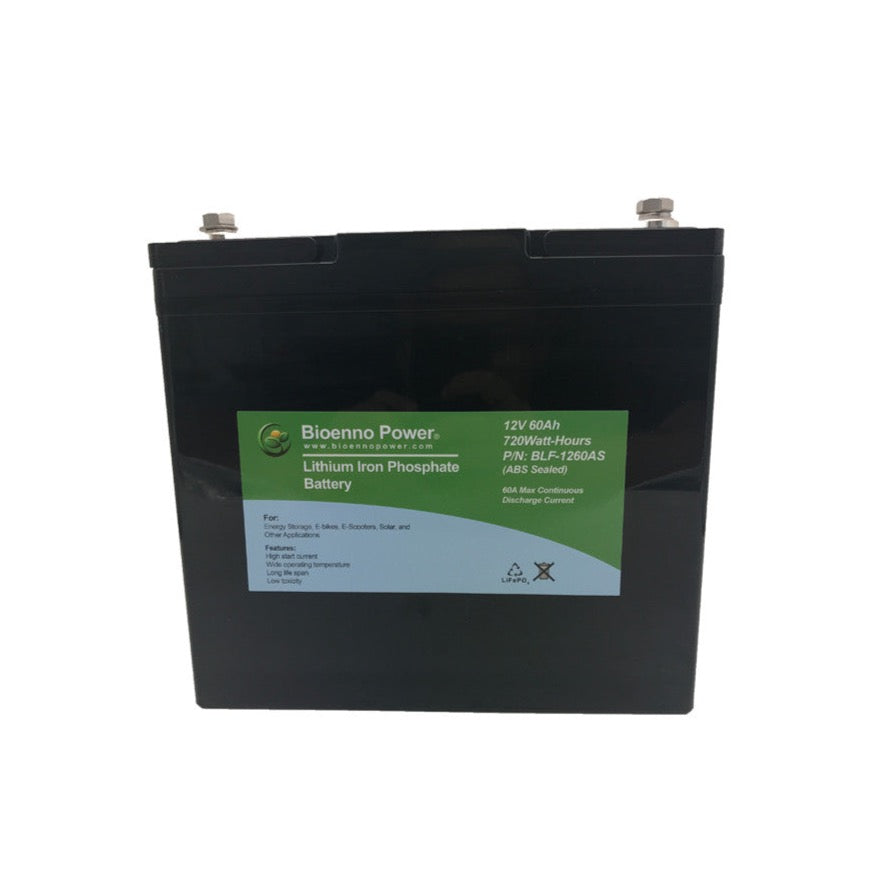
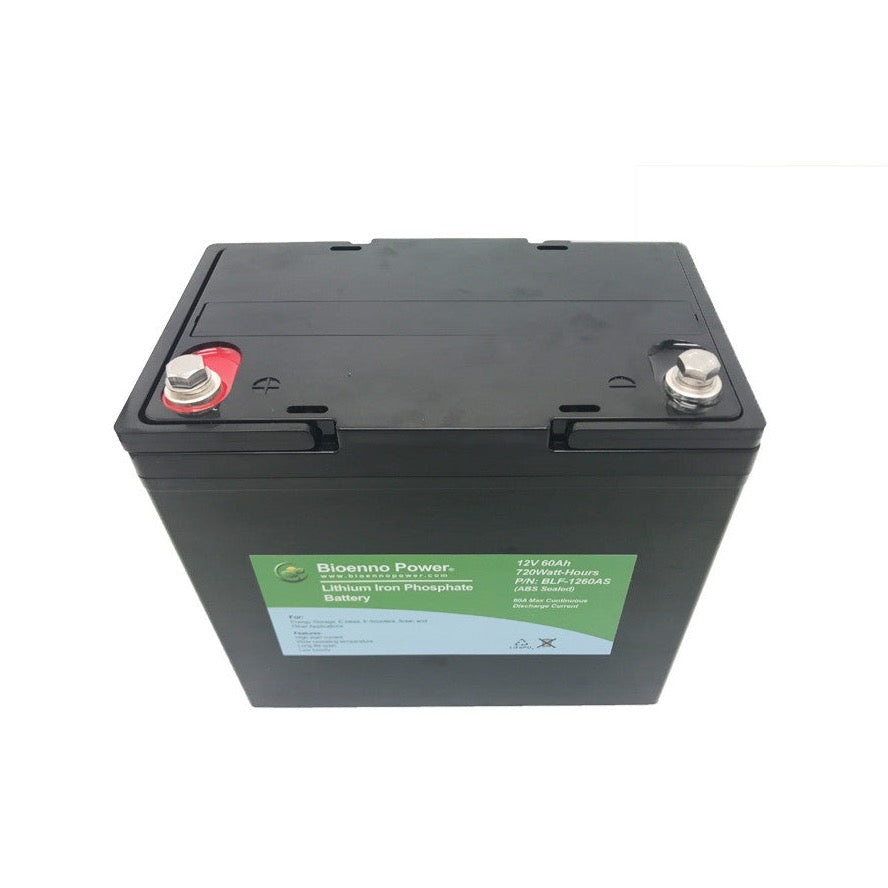
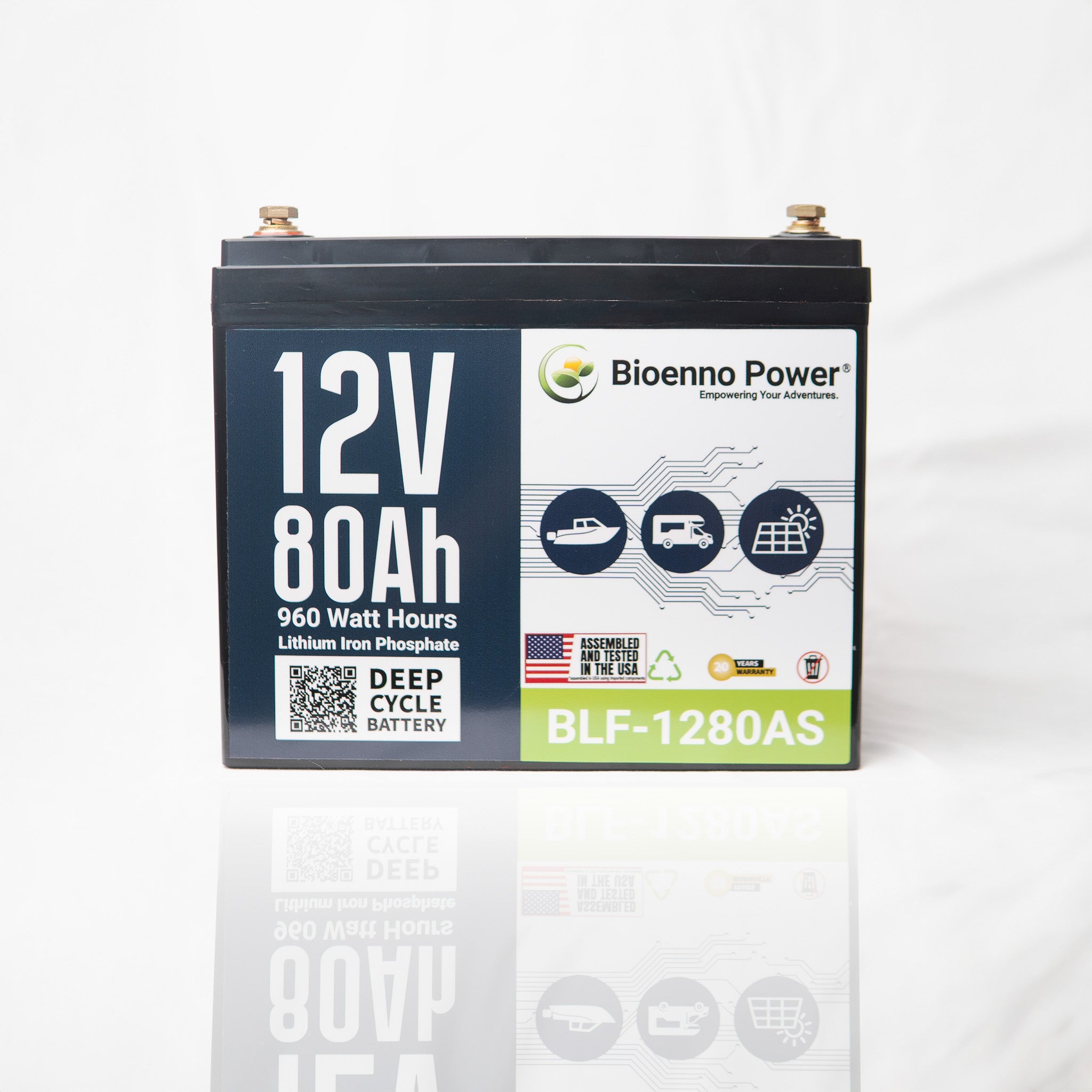
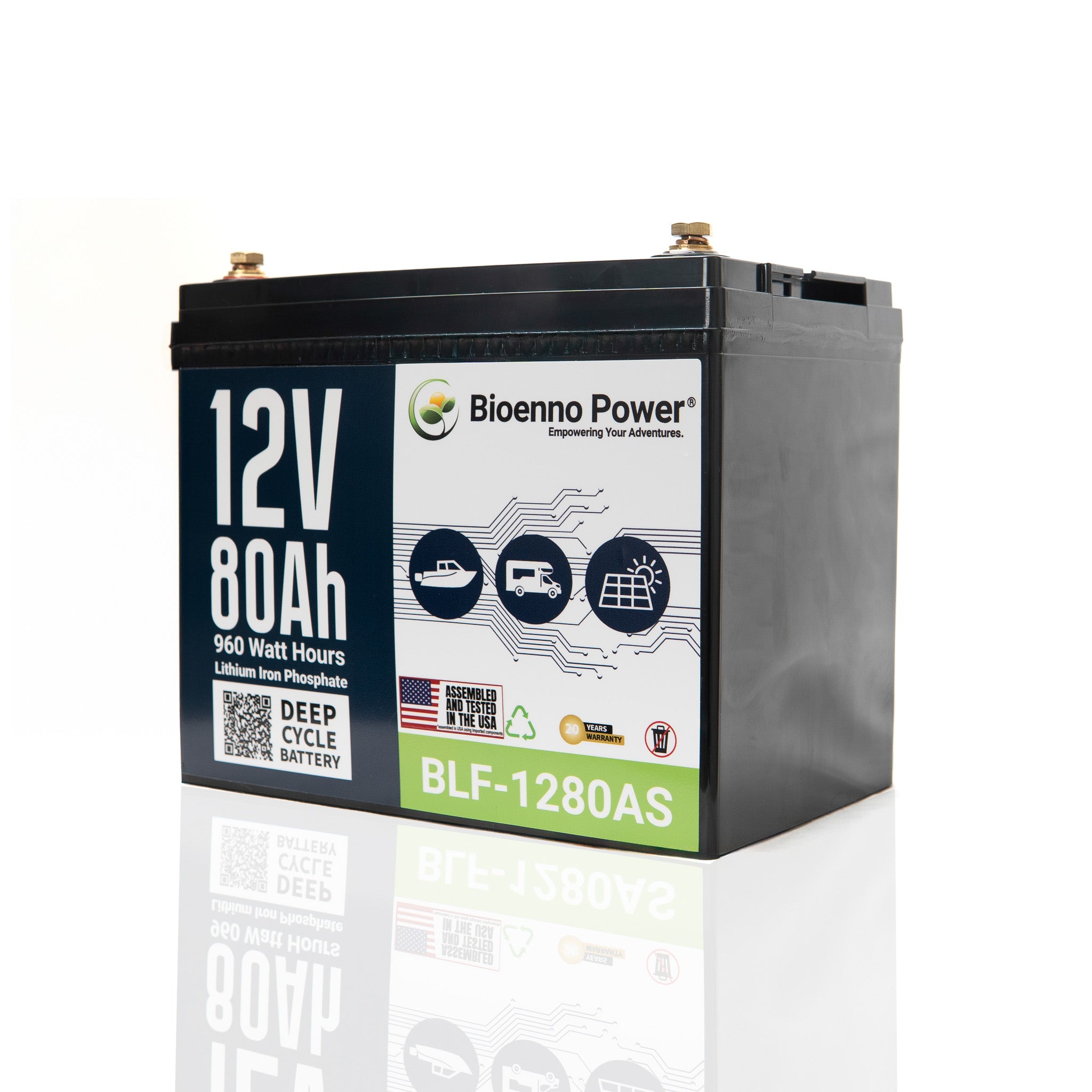
Bioenno Power batteries are assembled in Santa Ana, California, and have been through more than seven years of field testing across marine, RV, solar, ham radio, and outdoor recreation use cases before ever reaching a customer's boat or trailer. Every battery includes a replacement warranty backed by a real, USA-based support team rather than an offshore call center, which matters when a question about your BMS or charging setup cannot wait.
For anyone who wants to monitor pack health beyond what Bioenno's built-in protection circuit module (PCM), the company's own product-spec term for its onboard protection and cell-balancing circuitry, reports internally, Bioenno also offers a Bluetooth Victron Shunt Meter as an add-on for select battery bundles, giving you access to modern battery monitoring systems that show a clearer view of state of charge over time.
Matching a Battery to Your Application
Whether you are running a 24V or 36V setup on a Minn Kota Quest series trolling motor, powering a ham radio Field Day station, or sizing a bank for an off-grid solar array, the right battery is the one whose BMS protections match how hard you actually plan to use it. You can browse the full lineup and specifications on the Bioenno Power store or explore more battery tech articles like this one on the Bioenno Power blog.
A Few Quick Questions About BMS Batteries
- Is a BMS the same as a battery charger? No. A charger supplies power to the battery, while the BMS monitors and protects the cells during both charging and use.
- Can a BMS fail? Like any electronic component, a BMS can fail, which is why checking a manufacturer's warranty and support before buying matters.
- Does every lithium battery have a BMS? Not always to the same standard. Cheaper imported packs sometimes use a stripped-down protection circuit rather than a full BMS with cell balancing and temperature sensing.
- Is a PCM the same as a BMS? Often yes in practice, though the terms are not always identical. Protection circuit module (PCM) is the term Bioenno's own product spec sheets use for the onboard circuitry that handles overcurrent, overvoltage, undervoltage, and short-circuit protection plus cell balancing, while "BMS" is the broader industry term used throughout this article. On Bioenno batteries, the two names describe the same onboard protection and balancing circuitry.
If you are ready to put a properly protected LiFePO4 battery to work, but aren’t quite sure what battery suits your application, contact us and we can help you find a battery that fits your trolling motor, RV, radio, or solar setup.