The best nights outside have a certain rhythm. You are talking around the fire, music is low, and nobody wants to shout over a loud engine just to keep a string of lights on.
That is why more people are searching for portable power for camping that feels simple and quiet. A modern battery setup can cover the essentials without fuel cans, fumes, or the constant background noise of a generator.
Quiet power that keeps the vibe intact
When you replace a generator with a battery-based setup, the biggest change is obvious. Silence. That matters at campsites, tailgates, and RV boondocking spots where a calm environment is part of the reason you showed up in the first place.
A battery also gives you predictable power for the things you actually use. That means charging phones, running LED lighting, topping off a camera battery, or keeping a small fan going while you sleep.
Less fuel, less smell, less hassle
Fuel planning is its own chore. You have to store it safely, transport it, and hope you brought enough. With a portable battery, the “fuel” is simply a charge. You can recharge at home, in a vehicle, or through solar depending on your trip.
If you want a straightforward way to browse options, start with the Bioenno product catalog

Clean, stable power for modern electronics
Many outdoor setups include sensitive electronics. Phones, tablets, laptops, camera chargers, and medical devices often prefer stable power. Battery systems are a natural fit for that.
If you are comparing battery chemistries, it also helps to know that LiFePO4 batteries are widely recognized for strong thermal stability and long cycle life compared with many other lithium chemistries, which is one reason they are popular for portable power. Battery University has a useful primer on lithium battery types and safety characteristics: Lithium battery safety.
What you can realistically run with portable power for camping
Portable power is at its best when you match the setup to your real needs. The goal is not to recreate your entire home. It is to cover the essentials, stay comfortable, and keep devices charged.
The easy wins: phones, tablets, cameras, and lights
These are usually the first loads to move off a vehicle battery or a noisy generator. With a battery setup, you can keep:
- Phones and tablets charged for navigation, music, and photos.
- LED string lights and lanterns running for hours.
- Cameras and drone batteries topped off for sunrise shots.
Small appliances: fans, CPAPs, and 12V coolers
This is where planning starts to pay off. Many “small” appliances are still meaningful draws over time. A fan might be light, but it runs all night. A CPAP might be essential. A 12V cooler could run constantly depending on ambient heat.
For this category, focus on two questions:
- How many hours will it run each day?
- Is it AC, USB, or 12V DC?
Then you can pick a battery capacity that fits. If you want a more bundled approach that includes built-in outlets, take a look at the PowerPacks collection.
“High heat” loads: what to skip or plan carefully
Anything that creates heat tends to eat power fast. Electric kettles, toaster ovens, and space heaters can drain a portable setup quickly.
If you want warm food and drinks at a campsite or tailgate, it is often easier to use a propane stove or grill and let your battery system handle lights and charging.
How to size a battery: watt-hours, amps, and runtime math
Sizing does not need to feel complicated. A little math upfront helps you avoid disappointment later.
A quick way to estimate your total daily energy use
A simple approach is:
Watts x hours = watt-hours
Add up your key devices and estimate usage. For example, imagine a tailgate or campsite day where you run LED lights, charge phones, and run a small fan. You will quickly get a rough watt-hour total.
Then add a buffer. Real-world conditions, inverter losses, and “extra charging” happen.
Choosing voltage and capacity for your setup
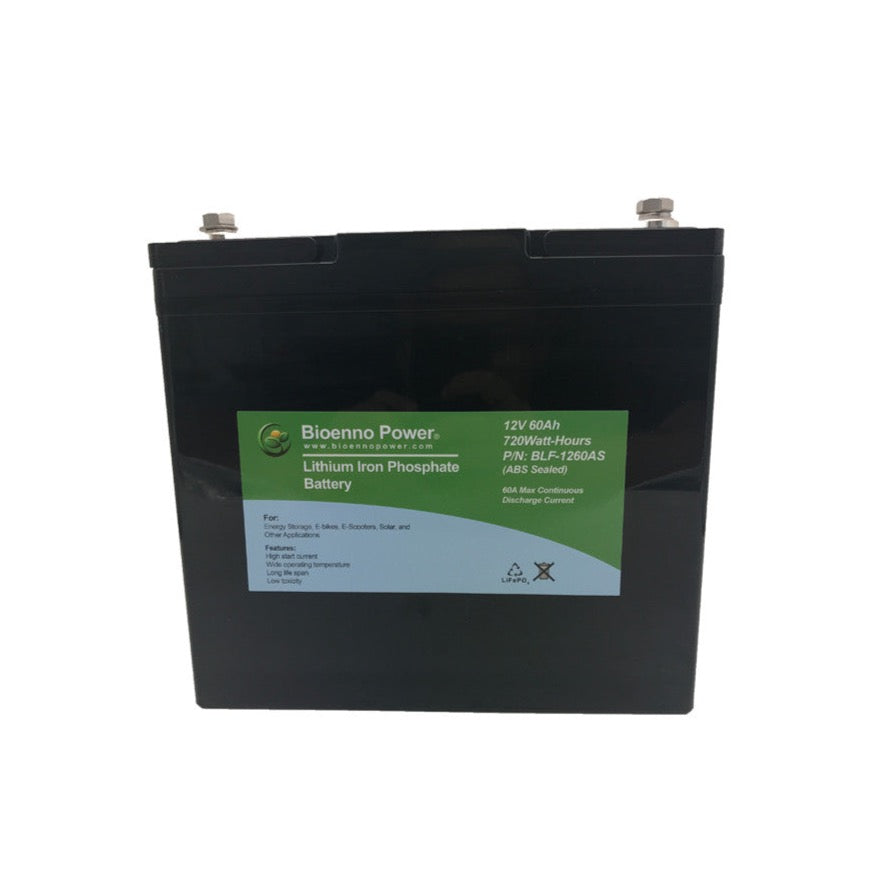
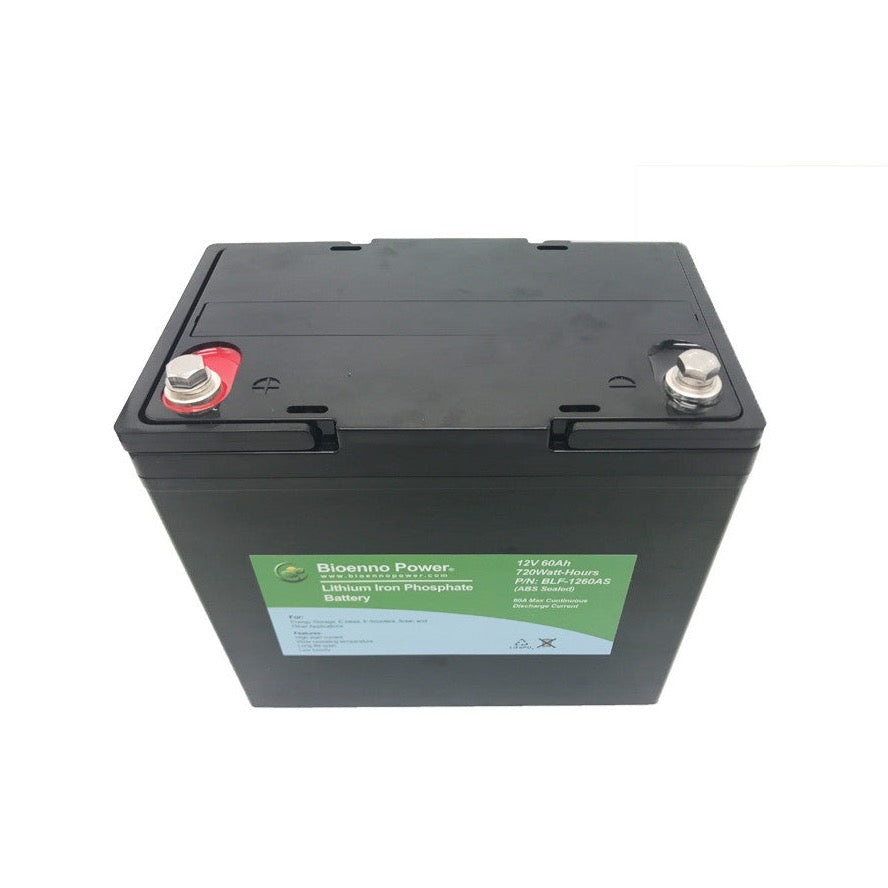
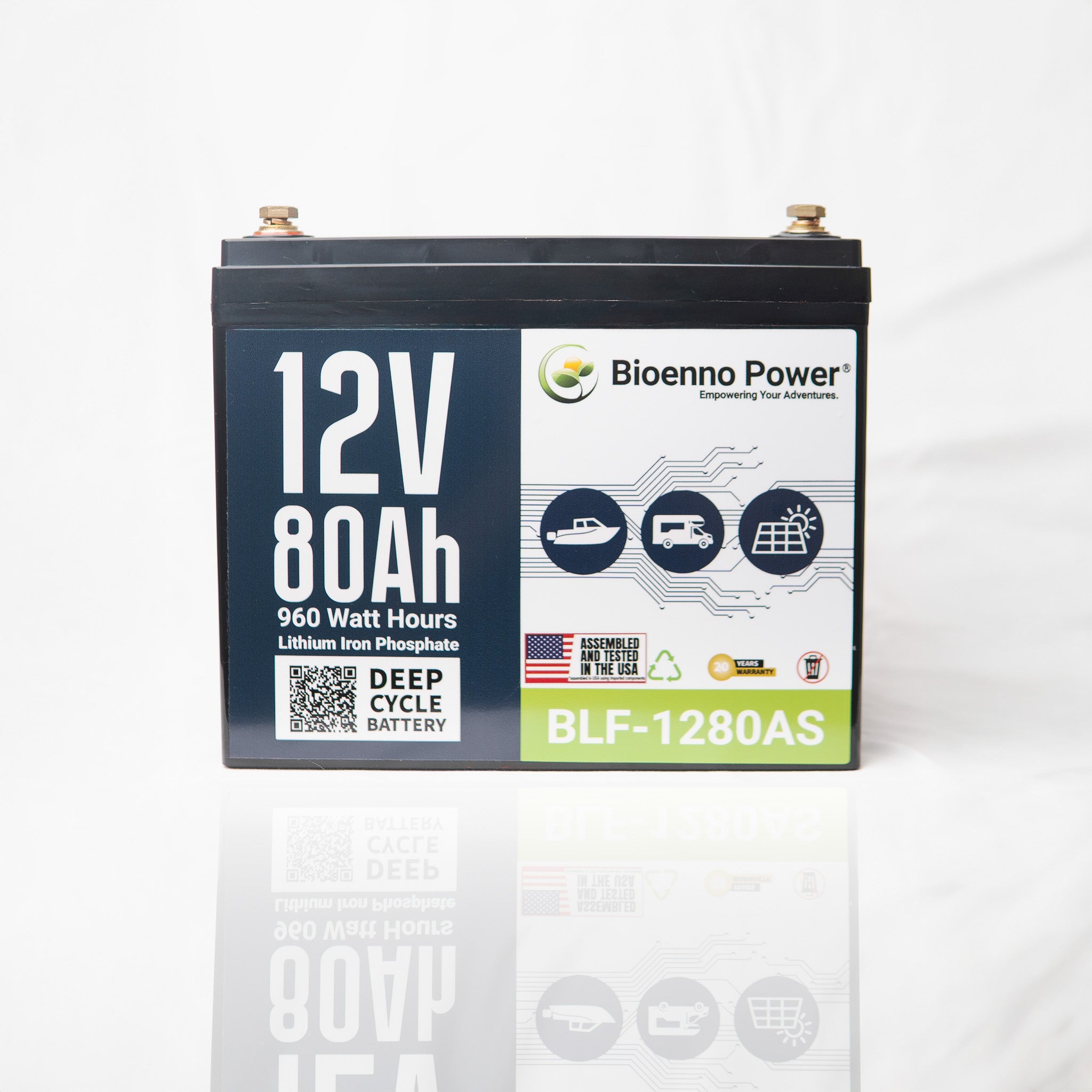
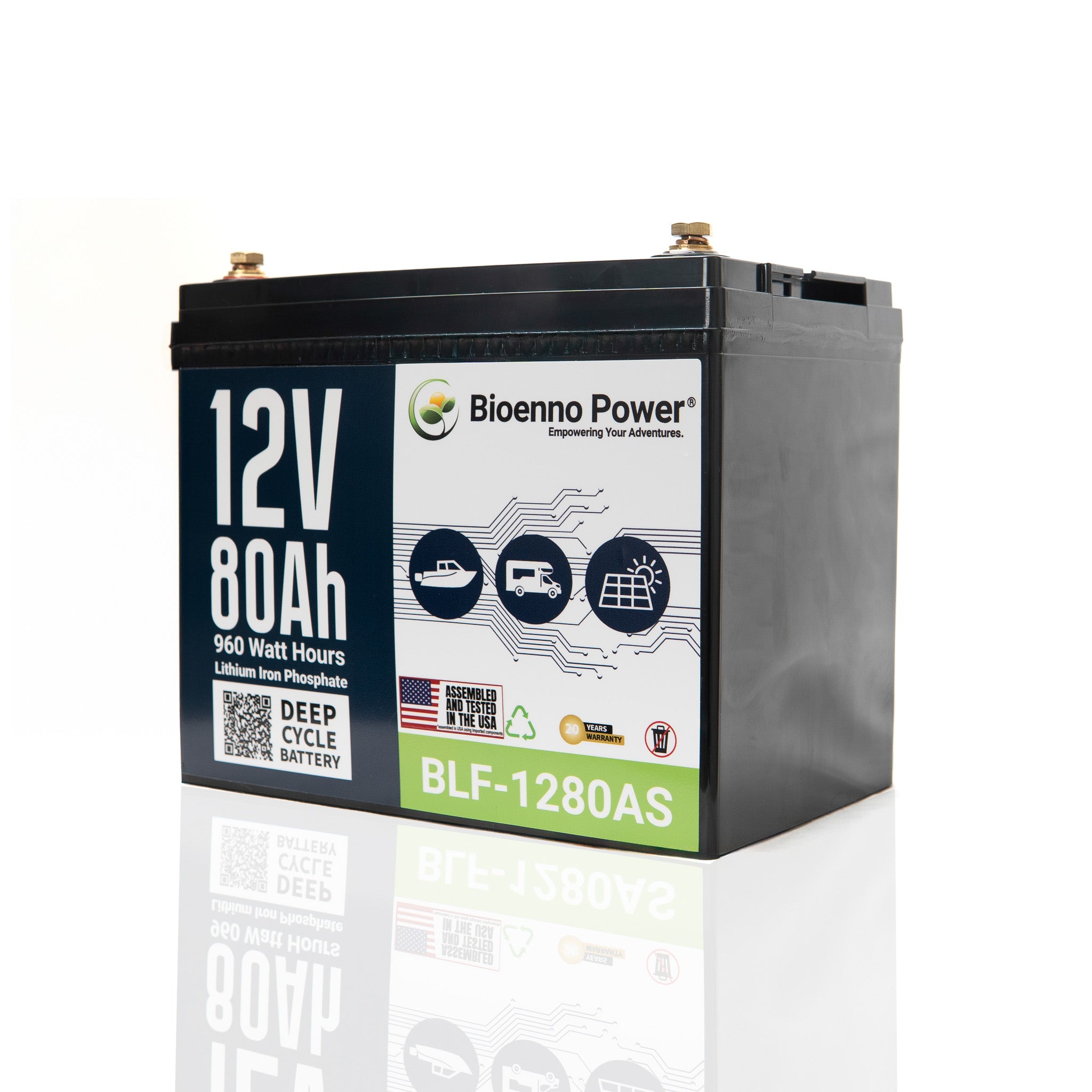
Most portable camping setups are 12V-based, even if you plug into AC outlets via an inverter. If you see battery capacity listed in amp-hours (Ah), you can estimate energy like this:
Volts x amp-hours = watt-hours
The key is not chasing the biggest battery. It is choosing a capacity that matches your gear and your recharge plan.
If you are shopping battery-and-accessory combos for outdoor use, Portable power and accessories is a good place to start.
Why LiFePO4 is a strong fit for portable power
For outdoor use, a LiFePO4 battery for camping can make sense because it is typically lighter than lead-acid for comparable usable energy, and it holds voltage well under load.
That means your lights stay bright and your devices charge normally, instead of sagging as the battery drains.

Simple, safe setup options for camping and tailgating
Once you know what you want to run, the setup itself can be simple.
Battery plus PowerPack for plug-and-play AC and USB
If you want to keep things easy, a PowerPack style setup can give you the convenience people expect at a tailgate. AC outlets for small appliances, USB charging for phones, and a clean, organized package.
Battery plus 12V outlets for low-draw gear
For many campers, a simple 12V setup is the most efficient. LED lighting, USB charging, and 12V accessories can often run without converting power to AC, which helps stretch runtime.
Charging options: wall, vehicle, and solar
A battery setup is only as good as your recharge plan. Three common options:
- Wall charging at home before you leave.
- Vehicle charging while driving, if your setup supports it.
- Solar charging for longer trips and true off-grid flexibility.
If solar is part of your plan, browse Solar charging products.
Keeping it reliable: best practices for charging and storage
Portable power should feel dependable, not stressful.
Avoiding common mistakes that shorten runtime
The biggest runtime killers are usually unplanned loads and “silent” drains. A phone charger left plugged in overnight. A cooler cycling more than expected. A speaker system that turns into the main attraction.
A helpful habit is to test your setup at home once. Run the same gear for a few hours and see how it behaves.
Battery monitoring: knowing when to recharge
You do not need to obsess over numbers, but you should have a way to check remaining charge. That can be built into your system, or it can be a simple monitor depending on the setup.
When you know your typical consumption, it is easier to decide whether you should recharge from the vehicle, switch to solar, or simply scale up capacity for the next trip.
Storage tips for off-season trips
After the tailgate season or summer trips, store your battery as recommended by the manufacturer and avoid leaving it fully drained. A little care here helps keep performance consistent for the next adventure.
A simple next step
If you want quiet generator alternative power that is easier to carry and easier to plan around, start by listing what you want to run, estimate your daily watt-hours, and pick a setup that matches.
When you are ready, shop now and choose the right capacity for your typical campsite or tailgate load.