Wildfire season changes the way most people think about power. When the grid is stable, “backup power” sounds like a nice upgrade. When smoke is in the air, winds are up, and outages happen without warning, backup power becomes a basic safety plan.
This guide focuses on building a quiet, safe, portable backup power plan using a LiFePO4 battery for power outage preparedness, especially if you live in an outage-prone area in the Western U.S. The goal is not to power your entire home. The goal is to keep the essentials running so you can stay informed, comfortable, and safe.
Why wildfire season makes backup power a necessity (not a nice-to-have)
What outages look like during wildfire season
Wildfire-driven outages are rarely convenient. They often happen with little notice (especially during high-wind events), can last hours or days depending on damage and access, and may come alongside other disruptions like spotty cell service, closed roads, or limited access to fuel and supplies.
If you have ever tried to coordinate a plan with a phone at 12%, no internet, and a dead flashlight, you already know why a power plan matters.
The essentials most people forget they need to power
Most emergency lists focus on flashlights and bottled water. Those are important, but the “power” list is usually incomplete. During an outage, many people realize too late they need to keep things like these running:
- A phone and a way to charge it more than once
- A Wi‑Fi router or hotspot device (if internet is available)
- A small fan or air purifier (smoke season comfort can become a health issue)
- Medical essentials, such as CPAP devices or refrigerated medications (where applicable)
The best power plans start by being honest about what you actually rely on day-to-day.
A quick “minimum viable power plan” for 24 to 72 hours
If you want a starting point, aim to cover:
- Communication: phone charging plus a plan to recharge it for multiple days
- Information: radio, hotspot, or router power (even a few hours per day helps)
- Comfort and health: a fan, small air purifier, or medical device support (as needed)
This is the backbone of a realistic plan for apartments, small homes, and evacuation kits.

LiFePO4 vs generators and power stations: what to choose and why
Why people avoid generators (and what to do instead)
Generators solve some problems, but they introduce others, especially during wildfire season. Fuel access and storage can get complicated during regional emergencies, noise can be stressful (especially in apartments or dense neighborhoods), and maintenance and startup reliability are never guaranteed if a generator sits unused.
If you want a quieter, cleaner option for essential loads, a LiFePO4 battery based setup is often a better fit.
What makes LiFePO4 a strong fit for emergency power
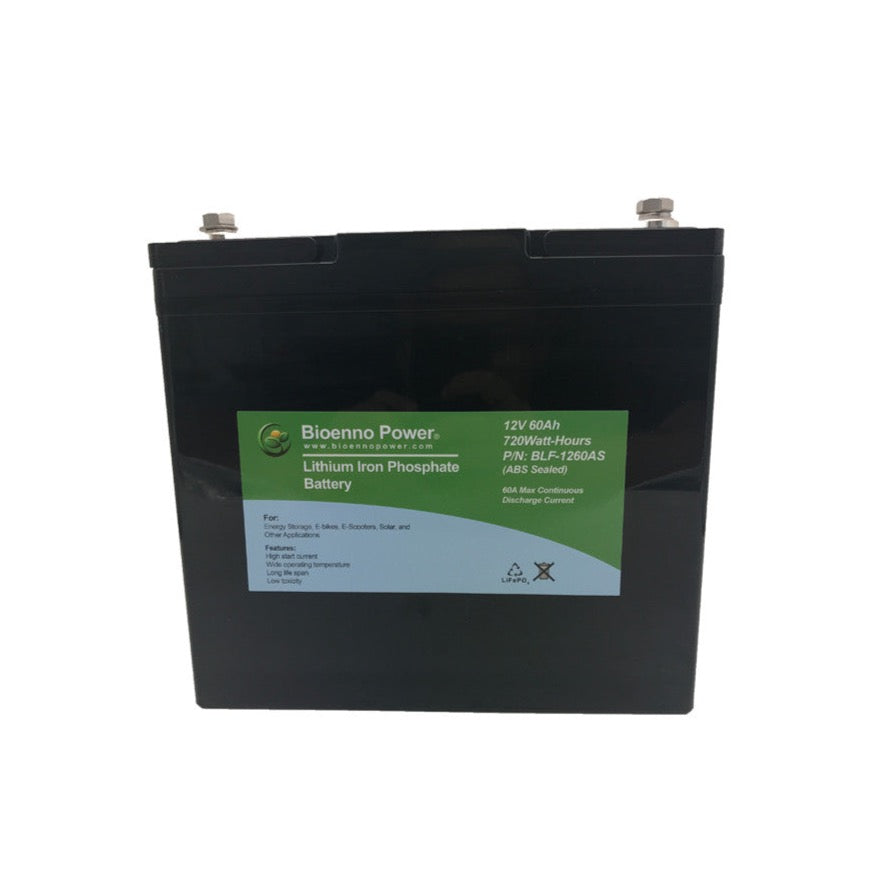
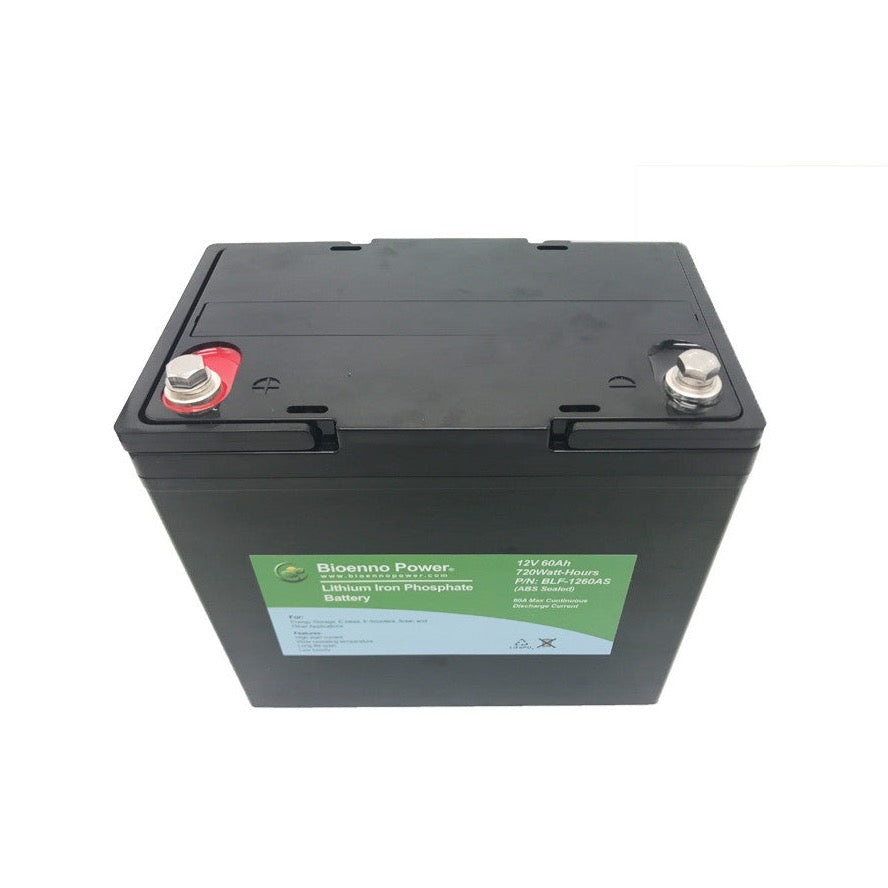
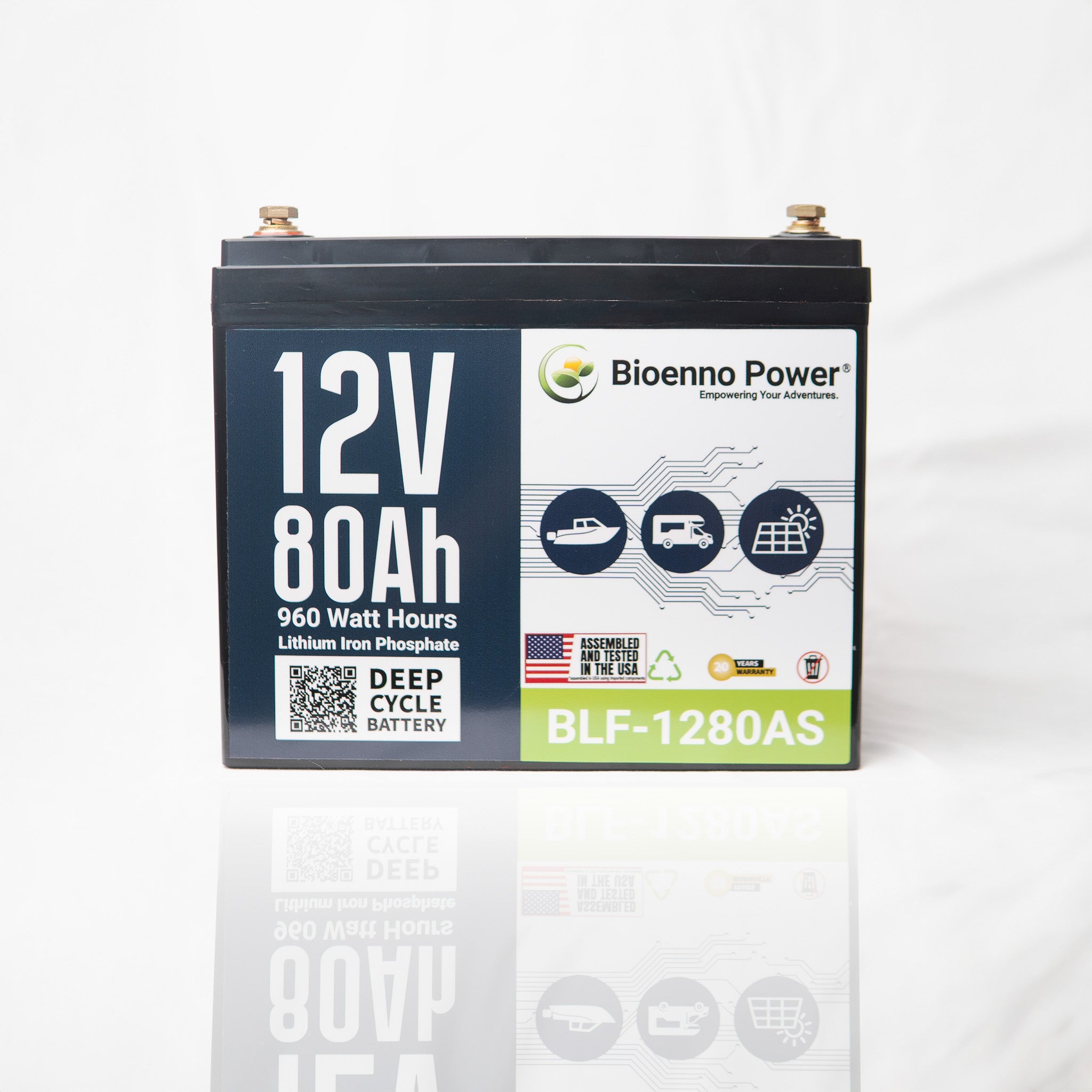
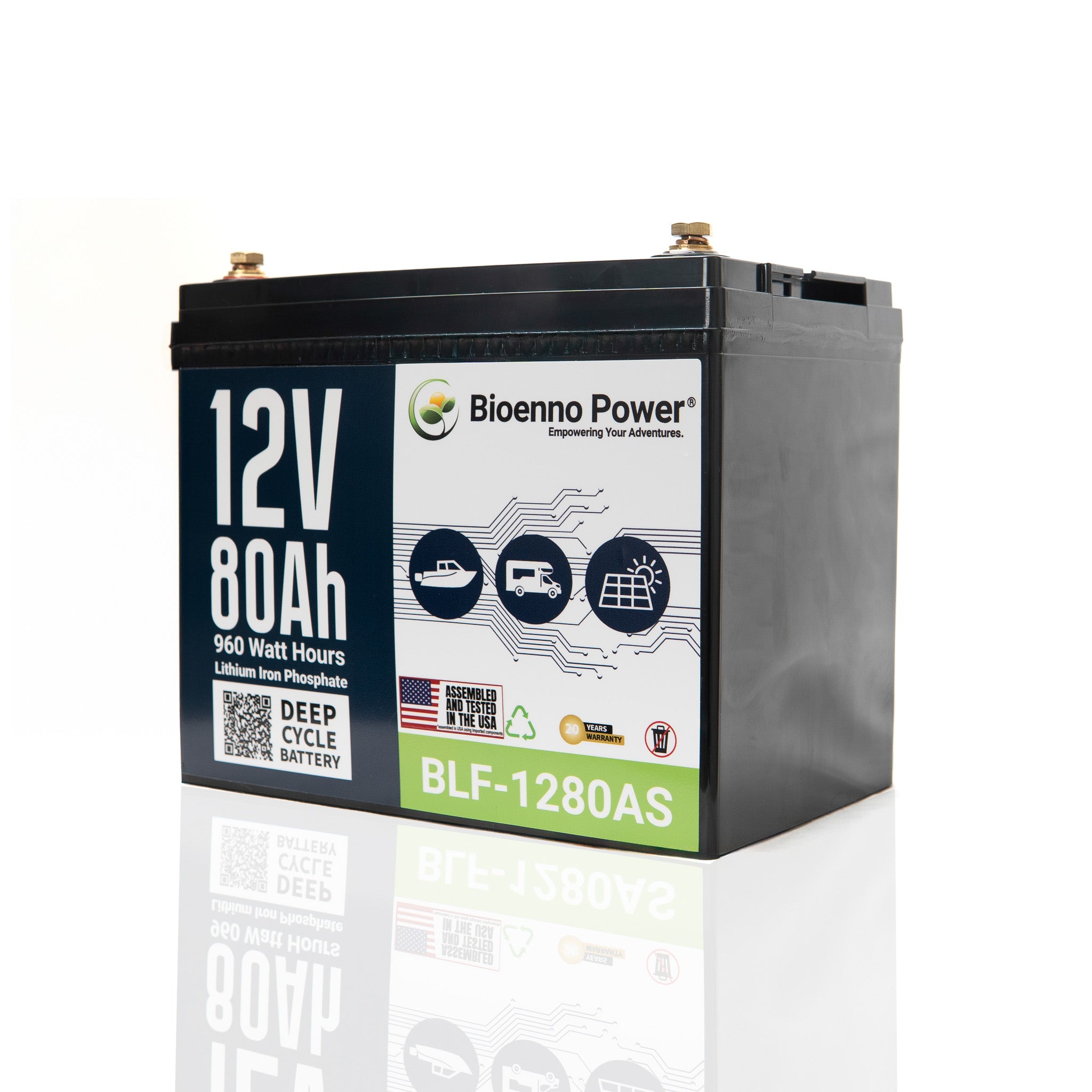
LiFePO4 (lithium iron phosphate) is popular for backup power because it is designed for deep cycling and repeat use. Compared to older battery types, LiFePO4 is known for long service life, stable performance for powering electronics and small appliances, and being a strong fit for portable and off-grid use cases.
Bioenno battery options for backup power also emphasize USA built and supported (Santa Ana, CA), which can matter when you want real help selecting components and using them safely.
When a power station is enough vs when a battery setup wins
For many people, a “power station” is enough for short outages. A battery-focused plan can win when you care about flexibility (running only what you need, when you need it), scalability (adding solar charging or expanding capacity), and serviceability (replacing components instead of replacing an entire all-in-one unit).
There is no single right answer. The right choice is the one you will actually test, maintain, and feel confident using.
How to size a LiFePO4 battery for a power outage (simple method)
Sizing is where most people get stuck. The good news is you can get to a practical number without overthinking it. Ready.gov has a practical overview of what to expect and how to prepare for power outages.
Step 1: list your loads (what you actually need)
Write down the devices you want to run and how many hours per day you expect to use them. Keep it realistic. Most outage plans fail because the plan assumes “normal life” power use.
Examples of common essentials include phone charging (multiple charges), a router or hotspot, LED lights, a small fan, and CPAP support (if applicable).
Step 2: estimate watt-hours and add a safety buffer
The simplest approach is to estimate watt-hours (Wh):
If a device lists watts, use watts x hours = Wh. If it lists amps at 12V, a quick approximation is amps x 12 x hours = Wh.
Then add a buffer. During emergencies, real usage often changes, and efficiency is never perfect. A good rule is to add 20% to 30% on top of your estimate.
For example (assumptions): if your router averages 10W and you run it 8 hours/day, that’s about 80Wh/day. Add a 25% buffer and you’re closer to 100Wh/day for that one device, before you count phone charging, lights, or a fan.
Here’s a practical one-day example: a small emergency radio averaging 5W for 6 hours is about 30Wh, charging a phone twice at about 12Wh per full charge is about 24Wh, and a small 10W fan for 8 hours is about 80Wh. That’s roughly 134Wh total, and with a 25% buffer you’re around 170Wh for one day.
Step 3: translate watt-hours to battery capacity you can shop for
Once you have a daily Wh estimate, decide how many days you want to cover (often 1 to 3 days for a portable plan). That number becomes your target storage that you’ll need to convert to Amp-hours to determine the correct battery capacity.
To convert watt-hours into battery capacity, use this shortcut: Wh = V x Ah, so Ah = Wh ÷ V. For a 12V system, with the load from the example in Step 2, 170Wh ÷ 12V is about 14Ah. (Note that real-world usable capacity varies based on inverter losses, wiring, temperature, and how deeply you discharge the battery.) In this scenario, a compact LiFePO4 option like Bioenno’s 12V 20Ah battery (BLF-1220A) would be a solid starting point, especially when combined with a portable power box to make it an all-in-one easy to carry power supply solution.
Solar charging can greatly extend runtime during multi-day outages and opens up the option of using an even lighter and more compact battery for easier transportation and storage.
If you are unsure how to match chargers and accessories safely, start with the FAQ and consider choosing an appropriate charger for your battery and use case.

Backup power setups for apartments, homes, and evacuation kits
Apartment setup: lights, phones, router, fan, and medical essentials
Apartment backup power is about simplicity and portability. A strong apartment plan usually prioritizes communication (phone plus a second way to charge, because cable redundancy matters), information (router power for a few hours per day, or a hotspot device), and comfort (a small fan during smoke and heat).
Practical advice: keep your setup in a single “grab-and-go” spot. During an outage, the biggest enemy is friction.
Home setup: essentials-first and layering solar charging
For homes, it is tempting to build a plan that powers everything. A better approach is to define “essentials” and then layer in additional capacity later.
Start by powering lights, communications, and basic comfort, plus any health-related devices that must stay on.
Then consider adding solar charging to keep the system topped off during extended outages, especially if you have usable outdoor space.
Evacuation kit setup: portable, fast, and simple
An evacuation kit is different from a home plan. It should be portable, fast to deploy, and easy to use under stress.
Safety and reliability checklist (so your plan works when it matters)
Charging and storage best practices
Emergency power only works if the battery is charged and healthy. A few common-sense habits help:
Keep batteries stored at a reasonable state of charge (follow manufacturer guidance), avoid leaving a plan “untested” for months, and use a charger designed for your battery chemistry and capacity.
Cables, fusing, and preventing “silent failures”
Many emergency setups fail quietly due to a small missing part. Before peak season, verify your cables fit and are in good condition, you have appropriate adapters for your devices, and any inline fuses or protection hardware are in place.
A quick test routine before peak season
Set a calendar reminder and run a simple test:
- Charge the battery fully.
- Plug in your essential devices and run them for 30 to 60 minutes.
- Confirm you can charge your phone and power your router as expected.
- Note what you would change, then update the kit immediately.
Backup power is not a one-time purchase. It is a plan you can trust.
If you are ready to build or upgrade your setup, start by comparing Bioenno battery and backup power options. Shop now and aim for a setup you can test and carry with confidence.