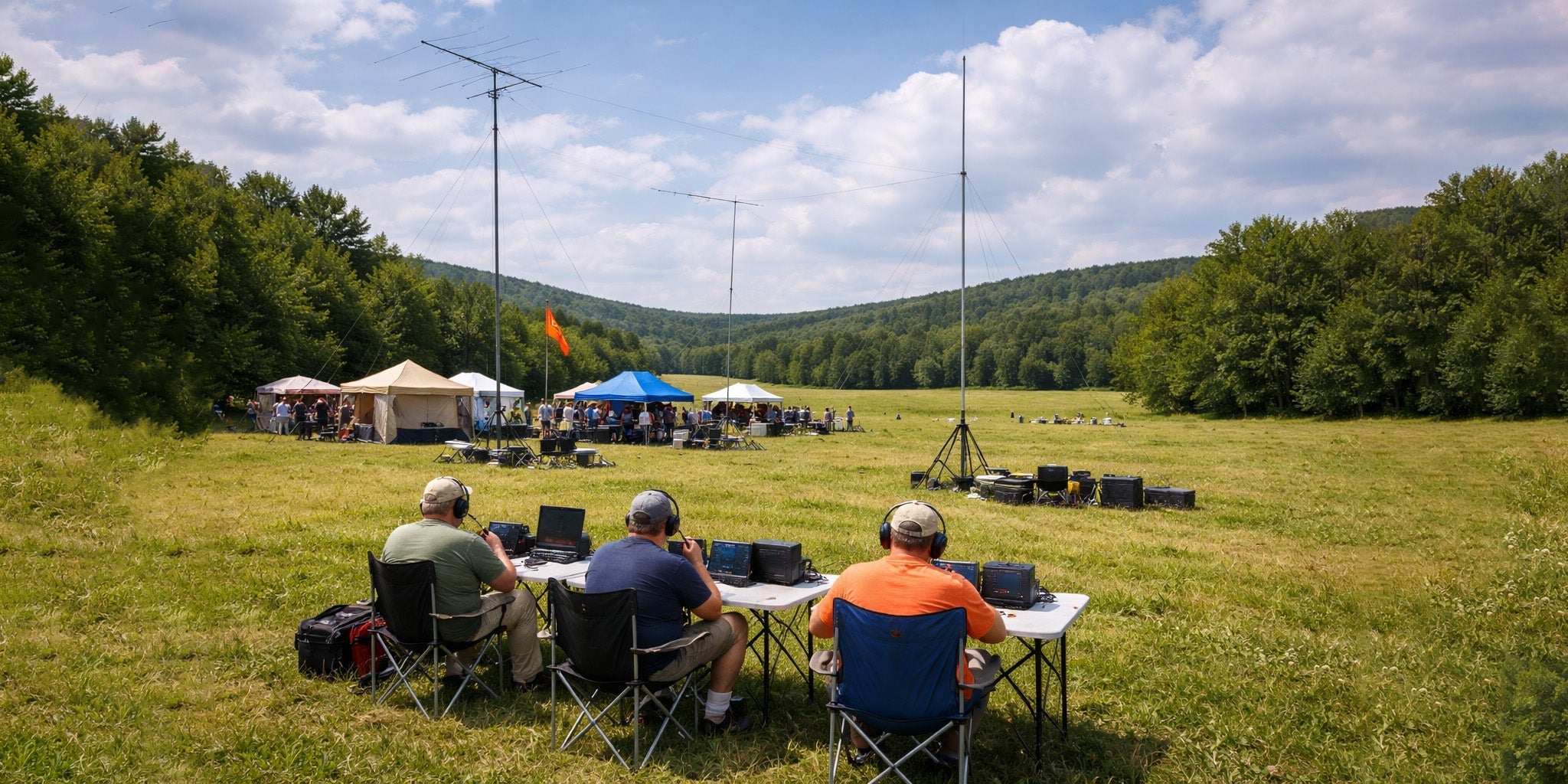
Field Day represents the pinnacle of amateur radio operating, combining technical skill, emergency preparedness, and community spirit into one intense 24-hour event. While antenna configurations and radio equipment rightfully get plenty of attention during planning, your power system often determines whether you'll operate smoothly through the entire event or struggle with dead batteries before midnight. Getting your portable power setup right means the difference between maintaining your operating schedule and watching other stations make contacts while you wait for batteries to charge.
The challenge is straightforward but demanding: you need reliable, continuous power for radios, computers, lighting, and accessories over a full 24-hour period, often in remote locations without access to shore power. Your power system must handle the constant draw of transceivers, the periodic demands of amplifiers if you're running them, and the auxiliary loads that keep your station functional and comfortable. This guide walks through the essential planning steps to build a power system that won't let you down when it matters most.
Understanding Your Power Requirements
Before selecting batteries or solar panels, you need accurate numbers on what you'll actually be powering. Start with your transceiver's specifications. Most modern HF radios draw 20 to 25 amps during transmit and 1 to 2 amps while receiving. For Field Day operating, assume you'll be transmitting roughly 40% of the time during peak operating hours, less during slower periods overnight.
A typical single-operator station running 100 watts might draw an average of 10 amps per hour when actively operating. Over 24 hours, accounting for slower nighttime periods and meal breaks, you might average 8 amps per hour, totaling 192 amp-hours for the entire event. However, this calculation represents ideal conditions. Real-world Field Day operations benefit from planning for 250 to 300 amp-hours of capacity to account for inefficiencies, additional equipment, and the inevitable power draws you didn't anticipate.
Don't forget the auxiliary loads that add up quickly. Laptop computers draw 3 to 5 amps, logging computers need power continuously, LED lighting for nighttime operations adds another 2 to 3 amps, and small fans or other comfort items contribute their share. A multi-operator station with several radios, computers, and lighting can easily double the power requirements of a single-operator setup.

Choosing the Right Battery System
Battery technology has transformed Field Day operations in recent years, with lithium iron phosphate (LiFePO4) batteries offering compelling advantages over traditional lead-acid options. The weight difference alone makes LiFePO4 batteries worth considering. A 100Ah LiFePO4 battery weighs approximately 25 pounds compared to 60 pounds or more for an equivalent lead-acid battery. When you're hauling equipment to a remote field site, every pound matters.
Performance advantages extend beyond weight savings. LiFePO4 batteries maintain consistent voltage throughout their discharge cycle, meaning your radio receives stable power whether the battery is at 100% or 20% capacity. Lead-acid batteries experience significant voltage sag as they discharge, potentially causing radio performance issues or requiring you to stop operating before the battery is actually depleted. This voltage stability translates directly into more contacts and higher scores.
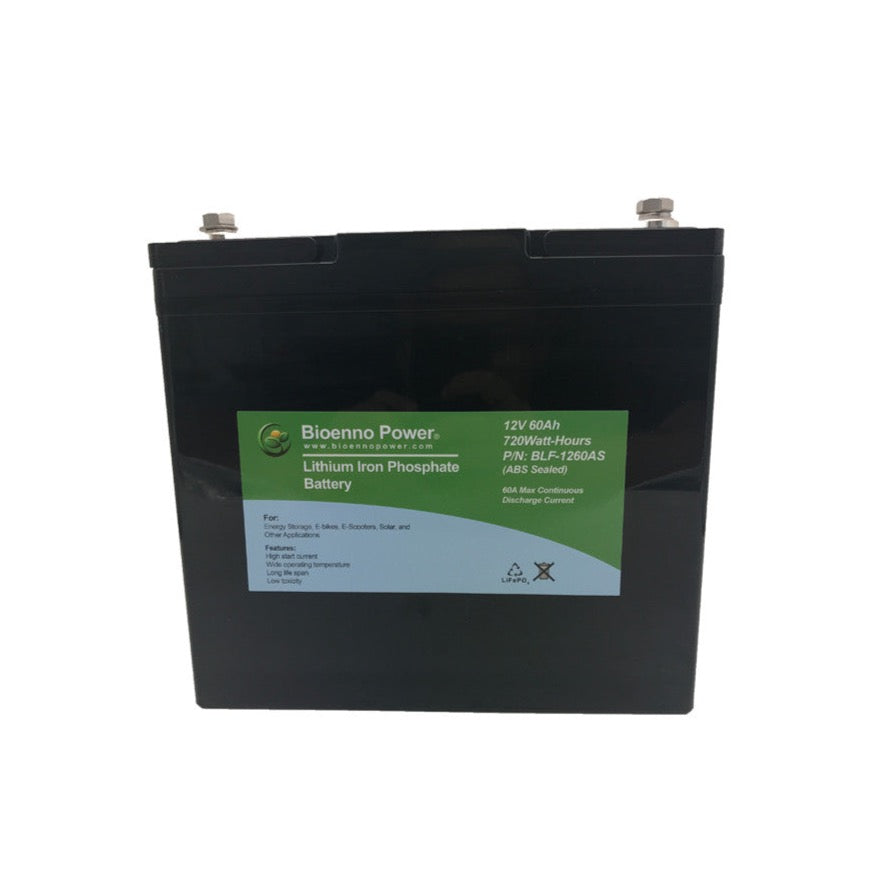
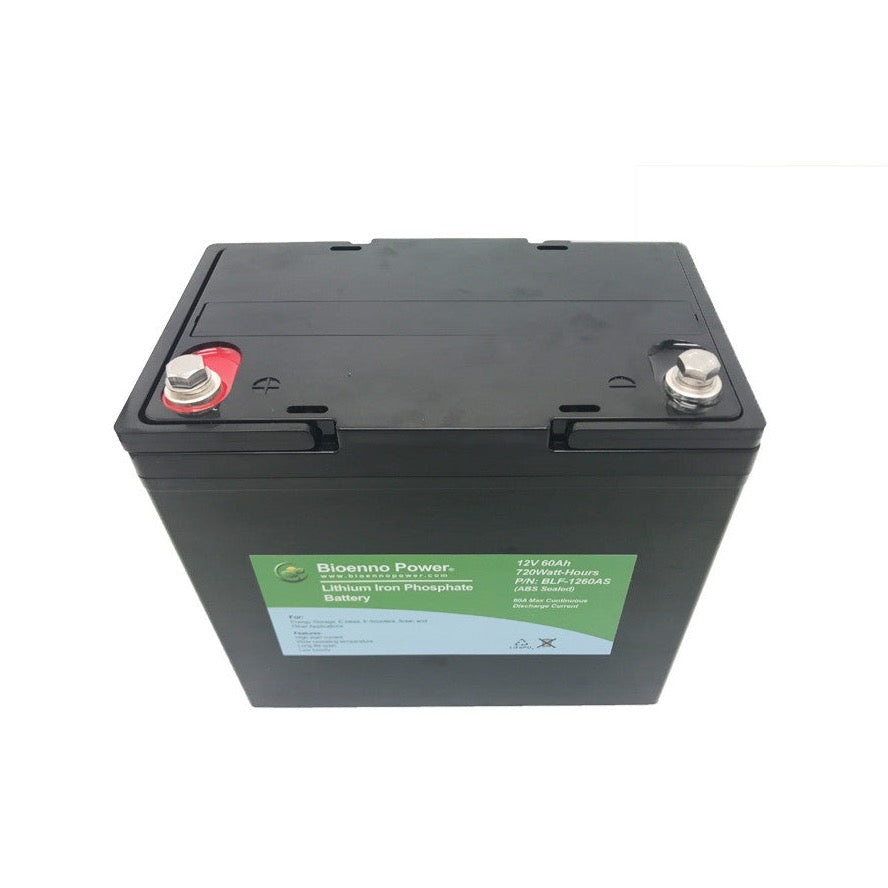
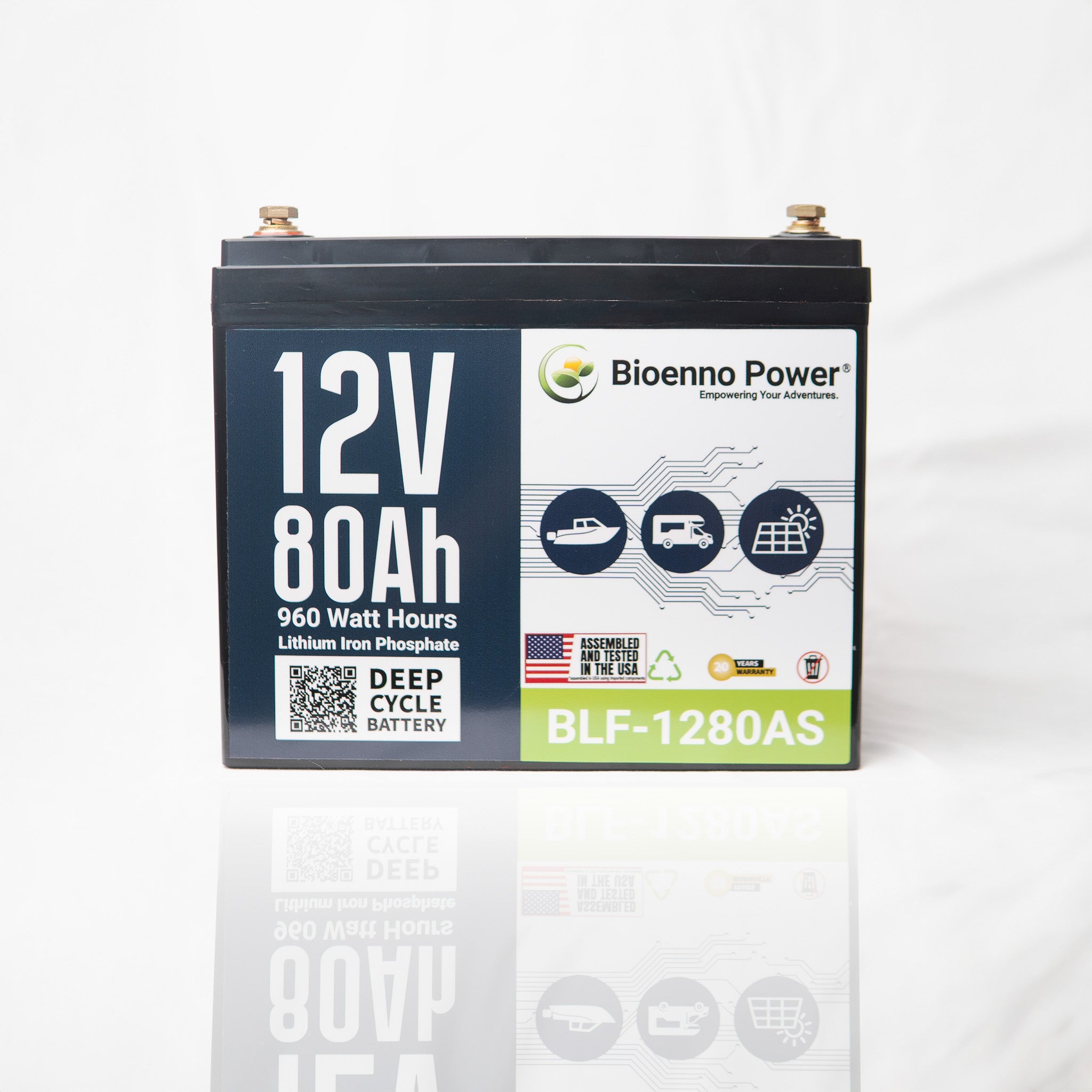
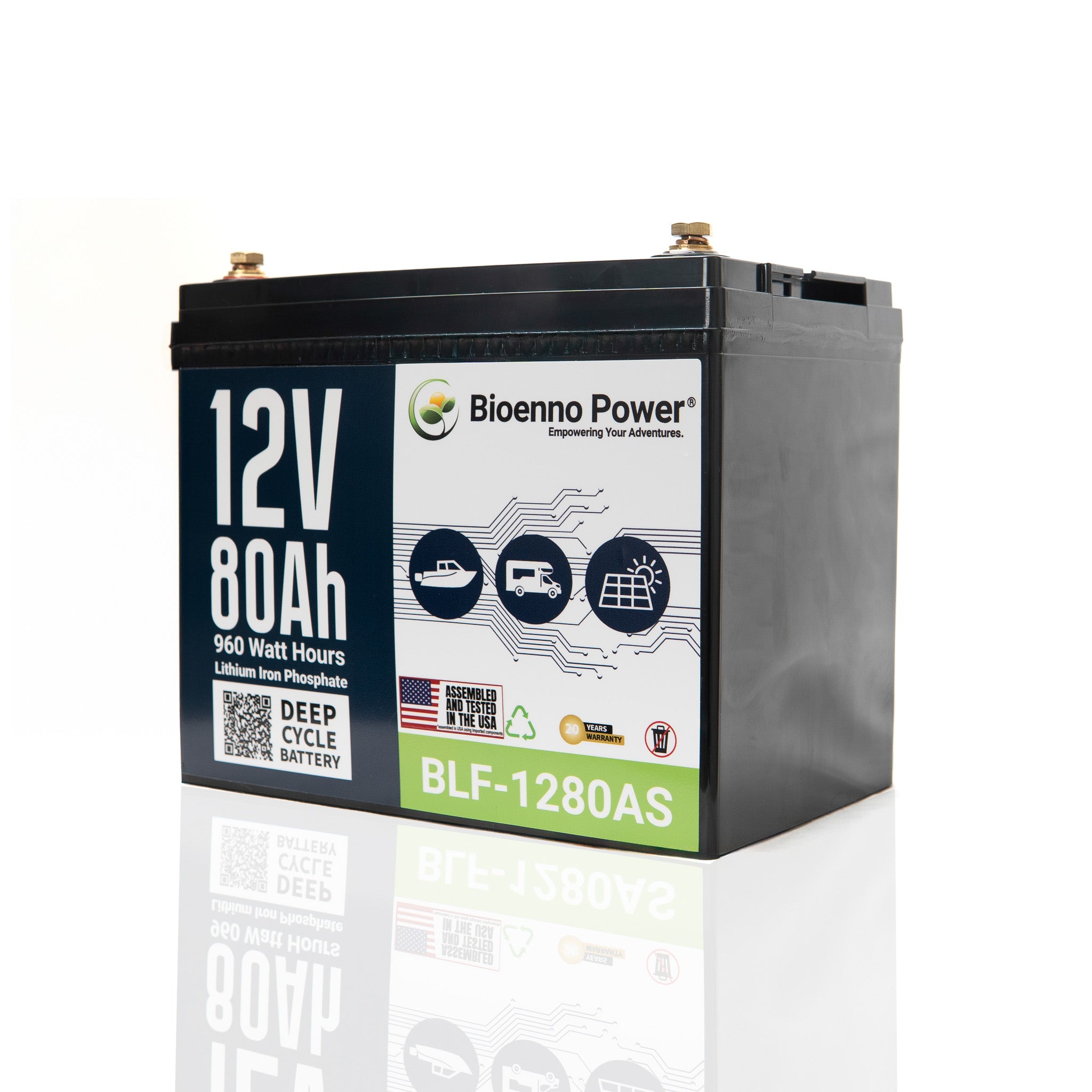
For a typical Field Day station, consider a battery bank in the 200 to 300 amp-hour range. This capacity provides comfortable reserves even during periods when solar charging isn't contributing. You can achieve this capacity with multiple smaller batteries or larger single units depending on your setup. Bioenno Power's 12V batteries come in various capacities that can be paralleled to build exactly the capacity you need. The modular approach offers flexibility; start with what you can afford and expand your capacity over time.
Temperature performance deserves attention for Field Day operations. June weather can range from pleasantly cool to scorching hot depending on your location. LiFePO4 batteries perform well across a wide temperature range and aren't damaged by heat the way lead-acid batteries can be. They also charge efficiently in warm conditions when solar panels are producing maximum output.
Solar Charging Configuration
Solar charging transforms Field Day from a race against battery depletion into a sustainable operation where daytime solar production recharges batteries for nighttime operating. June offers excellent solar conditions across most of North America, with long days and strong sunlight that maximizes panel output. A well-designed solar system can fully recharge your batteries during daylight hours while simultaneously powering your station.
Plan for 200 to 400 watts of solar panel capacity for a typical Field Day station. This range provides meaningful charging current even during suboptimal conditions like partly cloudy weather or early morning and late afternoon when sun angles are low. In full sun, 300 watts of solar panels can deliver 20 to 25 amps of charging current to your battery bank, allowing you to operate during the day while simultaneously recharging batteries depleted overnight.
Bioenno Power's portable solar panels are designed for exactly these field applications. They're lightweight, include built-in kickstands for angle adjustment, and connect easily to charge controllers and battery systems. The portability factor matters; you can reposition panels throughout the day to track the sun or adjust for changing conditions, maximizing energy capture during the limited 24-hour event window.
Your charge controller deserves careful selection. An MPPT (Maximum Power Point Tracking) controller extracts 20% to 30% more power from your panels compared to basic PWM controllers, and the efficiency gains are particularly valuable during marginal conditions like partial shade or non-optimal sun angles. Size your controller to handle your total panel wattage with some headroom for future expansion.
System Integration and Setup
How you connect everything matters as much as what equipment you choose. Use properly sized wire for all connections. Undersized wire causes voltage drop, wasting power and potentially causing equipment issues. For a 20-amp circuit, use at least 10 AWG wire; for 30 amps or more, step up to 8 AWG. Keep wire runs as short as practical to minimize resistance losses.
Anderson Powerpole connectors have become the standard for Field Day operations, and for good reason. They're genderless, meaning any connector mates with any other connector, they handle high currents reliably, and they're nearly impossible to connect backwards. Standardizing on Powerpoles throughout your station simplifies setup and allows equipment sharing between operators without adapter hassles.
Consider your power distribution approach carefully. A central power distribution panel with circuit breakers or fuses for each branch protects equipment and makes troubleshooting easier if issues arise during operations. Label everything clearly. At 2 AM when you're exhausted and something isn't working, clear labels on wires and connections save frustration and time.
Here's a practical setup sequence that works reliably:
- Position your operating location and set up antennas first
- Place solar panels in an area with unobstructed southern exposure and angle them for June sun
- Set up your battery bank in a shaded, protected location near the operating position
- Connect solar panels to charge controller, then charge controller to batteries
- Set up power distribution from batteries to operating positions
- Test all connections and verify charging before Field Day begins
Real-World Lessons from the Field
Experience from actual Field Day operations reveals patterns that planning alone doesn't capture. Nighttime operations drain batteries faster than daytime because you're running on battery alone without solar contribution. This seems obvious, but the practical implication is that you need sufficient capacity to operate through the night and into morning until solar charging ramps up. Running your batteries down to 20% capacity by dawn means you'll spend prime morning operating hours recharging rather than making contacts.
Many successful Field Day stations follow a power budget strategy. They identify peak operating times (typically afternoon and early evening when propagation is strong and operators are fresh) and allocate more power during these periods. Late night hours when propagation is often weaker and operators are tired become conservation periods where reduced operating keeps battery drain manageable. This approach maximizes contacts during prime hours while ensuring power availability throughout the event.
Weather contingency planning matters more than many operators realize. June thunderstorms can appear rapidly, forcing you to quickly secure antennas and equipment. If your solar panels are permanently deployed and wired, severe weather becomes a scramble to protect expensive equipment. Portable panels that can be quickly disconnected and moved to shelter provide flexibility that fixed installations lack. The same portability allows you to adjust panel position to follow the sun or avoid shade from trees as sun angles change throughout the day.
Building Reserve Capacity
Reserve capacity represents the margin between theoretical requirements and real-world reliability. Plan for at least 30% more capacity than your calculations suggest you need. This buffer accommodates the reality that equipment often draws more power than specifications suggest, that solar charging rarely achieves theoretical maximum output for extended periods, and that Field Day always presents unexpected power demands.
The reserve capacity approach also allows for equipment failures without ending your event. If one battery develops issues or a solar panel connection fails, you can continue operating on remaining capacity rather than shutting down while you troubleshoot. In a 24-hour event where every hour matters, this operational flexibility is invaluable.
Consider your reserve capacity as insurance. Yes, it costs more upfront to buy extra battery capacity or additional solar panels. However, the investment pays off in confidence and capability. You can operate aggressively, knowing your power system can handle sustained high-power operation without constant monitoring and conservation measures.

Preparing Your Power System
The weeks before Field Day are the time to test and verify your complete power system. Set up your equipment at home and run a full 24-hour test if possible. Operate your radio at typical Field Day power levels, run your computer and logging software, and simulate actual Field Day conditions as closely as you can. This testing reveals problems while you still have time to address them, whether that's discovering undersized wiring, identifying a faulty connection, or realizing you need more battery capacity.
Check all connections and cables for wear or damage. Field Day equipment often gets stored between events and may have been used for other portable operations. Corrosion, damaged insulation, or loose connections that might be minor annoyances at home become major problems at a remote field site. Clean all battery terminals and Powerpole connections, verify that charge controllers are configured correctly for your battery chemistry, and confirm that solar panels are producing expected output.
Create a written power system checklist that documents how everything connects and configures. Include wire colors, connection sequences, charge controller settings, and any other details that might not be obvious during midnight setup after a long drive to the Field Day site. This documentation helps other operators understand your system and serves as a reference if you need to troubleshoot problems during the event.
Power Your Best Field Day Yet
Field Day success depends on preparation, and your power system forms the foundation of reliable 24-hour operations. Start planning now by accurately assessing your power requirements, selecting battery and solar equipment that provides adequate capacity with margin for contingencies, and testing your complete system under realistic conditions. The time you invest in power system preparation translates directly into more contacts, higher scores, and a more enjoyable Field Day experience.
Bioenno Power offers complete Field Day power solutions combining lightweight LiFePO4 batteries, efficient portable solar panels, and all the accessories you need for reliable field operations. Our team understands amateur radio applications and can help you design a power system optimized for your specific Field Day plans. Explore our complete product line or contact us to discuss your requirements. Field Day 2026 is approaching, and with the right power system, you'll be ready to operate confidently from start to finish.